
Need help finding something?



Environment - Species Management
European Badger (Meles meles)

Ecology and Habitat
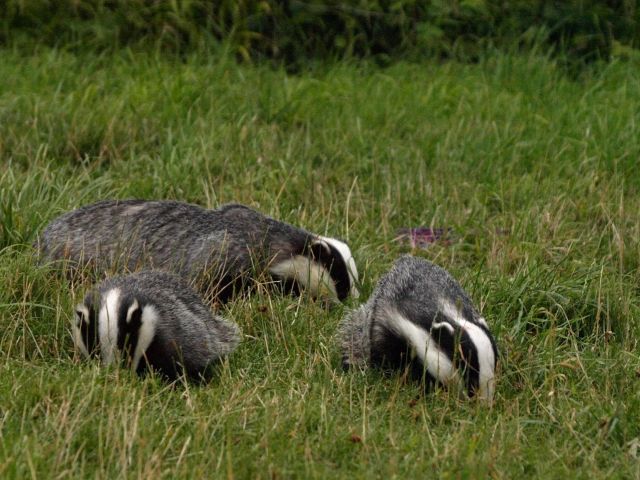
The European badger (Meles meles) is the UK’s largest land predator and a member of the mustelid family, which includes otters and pine martens. Native to the UK, they are nocturnal and mainly inactive during winter. Badgers live in social groups called clans, typically 4–12 adults. Mating can occur all year, with most cubs born between January and March after delayed implantation, ensuring birth when food is abundant.
Badgers favour well-drained slopes, woodland edges, hedgerows and open countryside for burrowing. IDB-managed watercourses often offer ideal conditions.
Their diet includes earthworms, insects, cereals, fruit, and occasionally small mammals.
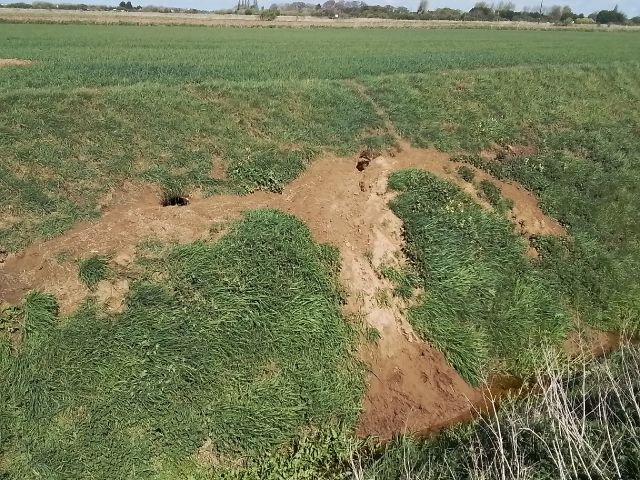
Common signs of badgers include:
- Setts – tunnel networks with D-shaped entrances and spoil heaps
- Paths – worn routes between setts and feeding areas
- Footprints – wide pad, five toes, long claws
- Snuffle holes – shallow foraging pits
- Latrines – small pits for faeces, often with fruit seeds
- Hairs – black and white, flat and coarse, caught on fences
Conservation Status and Threats
Badgers and their setts are protected under the Protection of Badgers Act 1992 and the Wildlife and Countryside Act 1981. Once persecuted, populations have recovered and roughly doubled since the 1980s. Despite this success, they still face several pressures, including;
- Illegal sett disturbance
- Habitat loss from development or hedgerow removal
- Road traffic collisions
- Disturbance during land or watercourse maintenance.
Badgers can also be affected by land and watercourse maintenance where setts occur on banks or slopes. These activities require careful planning to avoid damage, destruction or disturbance of setts. Continued enforcement of protection laws, responsible management, and monitoring of habitat changes remain vital to ensure the long-term stability of the UK’s badger population.
Monitoring and Management Practices
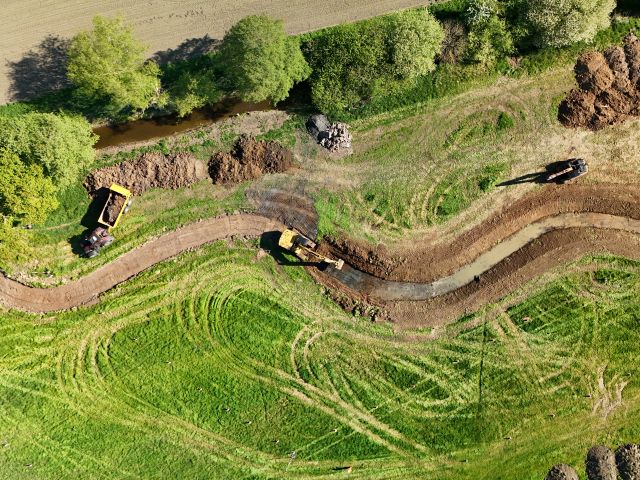
Before maintenance or construction work, surveys should locate and assess any badger setts. Within the King’s Lynn IDB district, the WMA Environment Team and King’s Lynn IDB Works Supervisor have surveyed sett sites to assess risks and guide sensitive maintenance. Where possible, works should avoid active setts, particularly during the breeding season (December–March). If disturbance cannot be avoided, a licence under the Protection of Badgers Act 1992 is required. Mitigation includes maintaining sett access, avoiding excavation near entrances, and only using exclusion methods under licence and ecological supervision. Recording sett locations in asset databases supports planning and compliance. Regular re-surveys of known sett areas ensure ongoing protection. This proactive approach enables essential watercourse maintenance while safeguarding one of the UK’s most iconic and legally protected species.
Quick Links