
Need help finding something?
Environment - Species Management
Barn Owl (Tyto alba)
Ecology and Habitat
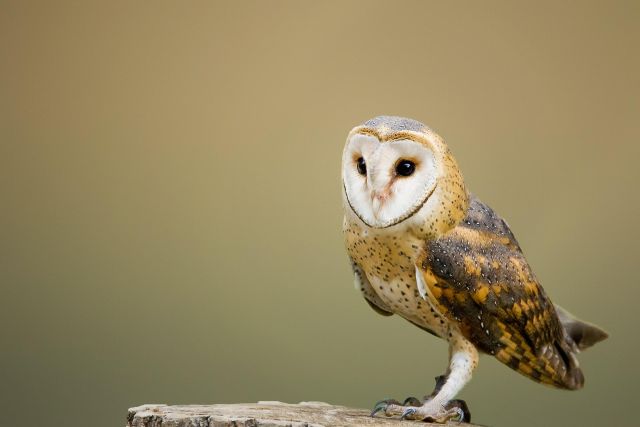
Barn Owls are widely distributed across the UK countryside and can be seen year-round, hunting both during the day and at night with their silent flight. They are easily recognised by their distinctive heart-shaped white face and black eyes, mottled silver-grey/beige back and wings and pure white underparts.
Barn Owls thrive in a variety of open landscapes, including:
- Grassland, heathland and moorland
- Farmland
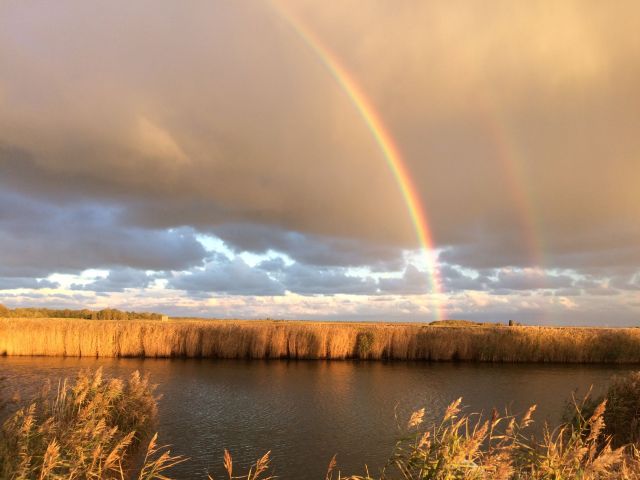
- Coastal and wetland areas
Their diet mainly consists of small mammals such as field voles, shrews and mice. Sensitively managed watercourses, ditches and IDB drains are also valuable habitats, providing prey-rich areas within tussocky vegetation and banks where voles can burrow and nest.
Conservation Status and Threats
Barn Owls are classified in the UK as Green under the Birds of Conservation Concern 5: the Red List for Birds (2021). They are also protected under the Wildlife and Countryside Act, 1981 as a Schedule 1 and 9 species, meaning it is illegal to intentionally or recklessly disturb them, or to release them into the wild.
Treats include:
- Habitat Loss: Conversion of grassland, hedgerows and field margins reduces hunting and nesting areas.
- Decline in Prey: Loss of wild meadows and use of pesticides reduce small mammal populations.
- Road Collisions: Hunting low over open fields puts owls at risk of vehicle strikes.
- Extreme Weather: Flooding and harsh winters affect prey availability and nesting success.
- Loss of Nesting Sites: Demolition of barns and the removal of old trees limits safe breeding locations.
Monitoring and Management Practices
Since 1988, member boards of the Water Management Alliance (WMA) and the Wildlife Conservation Partnership (WCP) have worked together to support the recovery of the Barn Owl.
Key activities include:
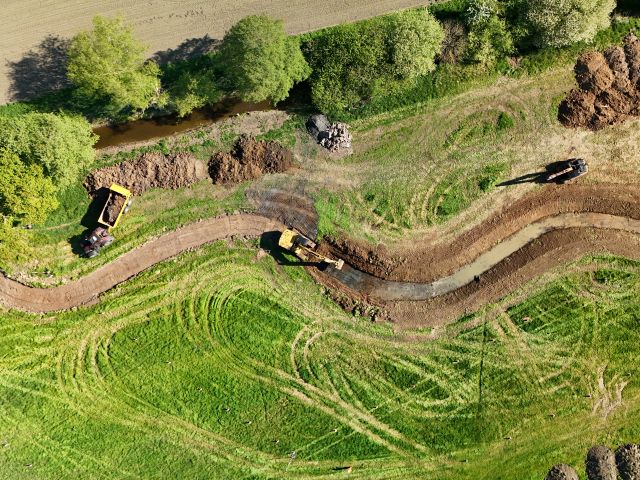
- Sensitive mowing, grazing and desilting of watercourses and drains
- Maintaining riparian grasslands to provide connected, prey-rich habitats
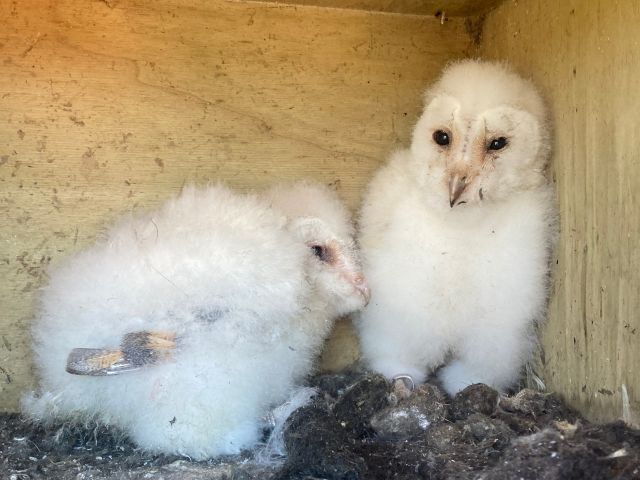
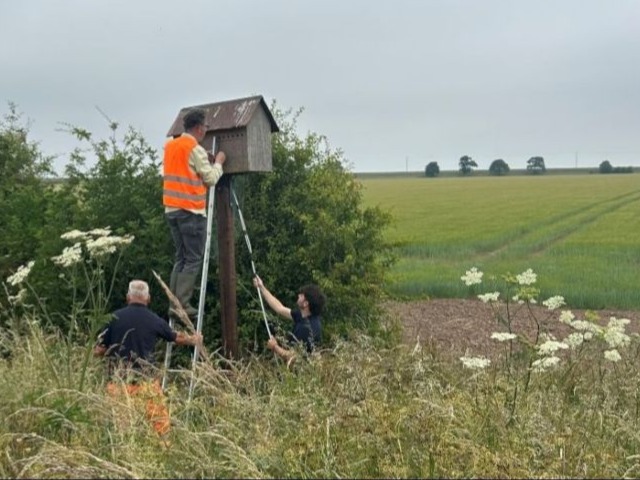
- Installing and monitoring artificial nesting sites (Barn Owl boxes mounted on poles)
The nesting boxes are checked annually by WCP and WMA Environment Officers as part of an ongoing habitat maintenance and monitoring programme. The project has shown success not only with Barn Owls, but also with other species such as Little Owl, Kestrel, Jackdaw, and Stock Dove.
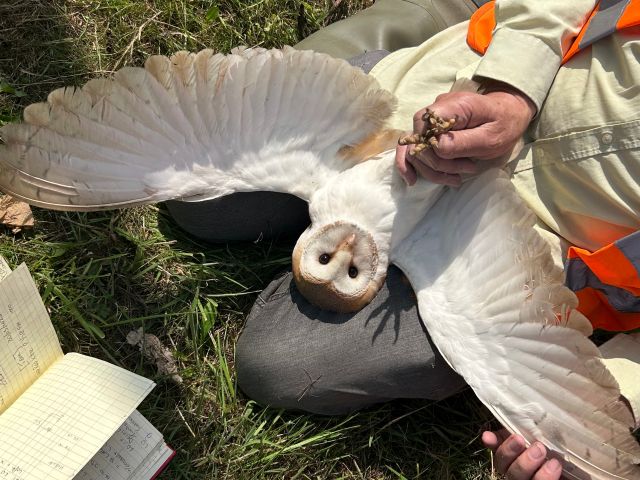
2025 South Holland IDB Barn Owl Box Surveys
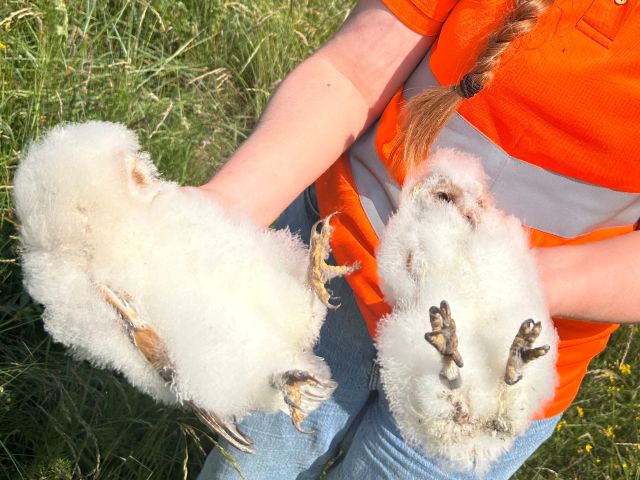
On 19 June 2025, surveys were undertaken in the SHIDB district by the WCP and IDB officers – 22 barn owl boxes were surveyed altogether.
Survey Findings
Although fewer chicks were recorded than in previous years (likely due to flooding in Lincolnshire reducing prey availability), the SHIDB results compared very well against surveys in other UK regions.
Results (2025):
- Kestrel: 13 chicks, 2 failed eggs, 3 adults
- Barn Owl: 13 chicks, 6 adults
- Little Owl: 1 chick
Quick Links