
Need help finding something?
Environment - Species Management
European Otter (Lutra lutra)
Ecology and Habitat
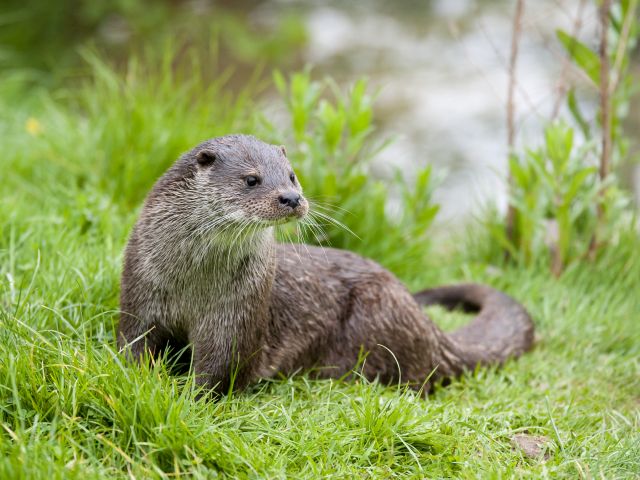
The European otter (Lutra lutra) is one of the UK’s top predators, feeding mainly on fish, but also taking small mammals, birds and invertebrates. As a semi-aquatic species, otters are well adapted to both land and water, with dense waterproof fur, webbed feet, and the ability to close their ears and nostrils underwater. They thrive in rivers, lakes, ponds, wetlands and suitable coastal habitats, relying on natural features such as hollow trees, root cavities and log piles for shelter. Resting sites, known as holts and natal dens are essential for breeding and rearing young. These may be located close to water or further inland in undisturbed areas. Healthy, connected waterways rich in fish stocks are vital for sustaining otter populations.
Conservation Status and Threats
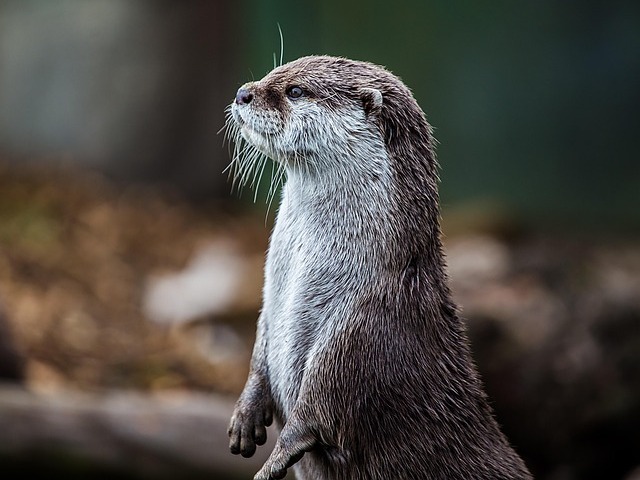
The European otter is the UK’s only native otter species and a Priority Species under the UK Biodiversity Framework. It is legally protected under both UK and European legislation, reflecting its ecological importance and vulnerable status. Otters were once widespread, but suffered a dramatic population decline during the 1950s–1980s, largely due to pollution from pesticides such as organochlorides. Though recovery efforts have led to their return across much of the UK, populations remain fragile. Today, otters face ongoing threats including habitat loss, declining fish stocks, disturbance from human activity, road mortality and illegal persecution. Sustained conservation management and habitat restoration remain critical to ensuring their survival.
Monitoring and Management Practices
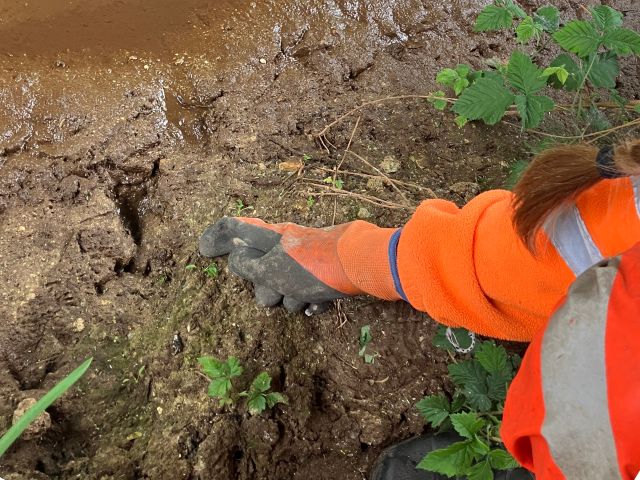
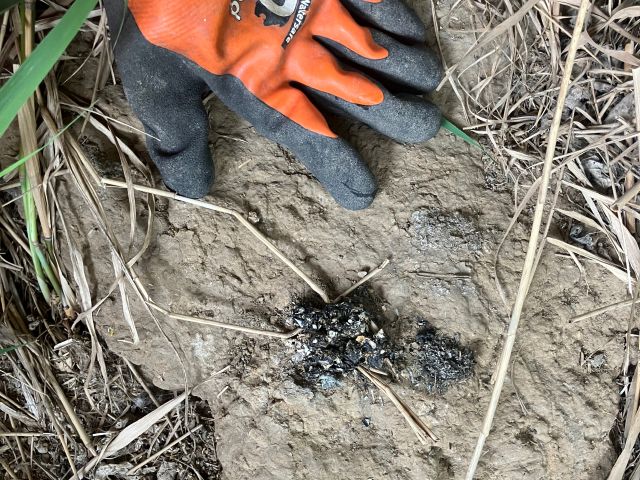
Local Internal Drainage Boards (IDBs), including South Holland and Kings Lynn, conduct annual otter monitoring surveys as part of their Biodiversity Action Plan. These surveys focus on key river and drain bridge sites, recording evidence such as tracks, spraint and feeding remains. Findings are compiled into reports to assess long-term trends and guide conservation efforts, including the installation of artificial holts. In addition, trail cameras are deployed to monitor suspected resting sites or holts before works take place, helping to avoid disturbance. These monitoring practices allow managers to implement mitigation measures, such as buffer zones or altered project designs and to work under licences where necessary. Such efforts are essential to protect otters and support their continued recovery across our drainage catchments.
Quick Links