
Need help finding something?
Environment - Species Management
Fen Raft Spider (Dolomedes plantarius)
Ecology and Habitat
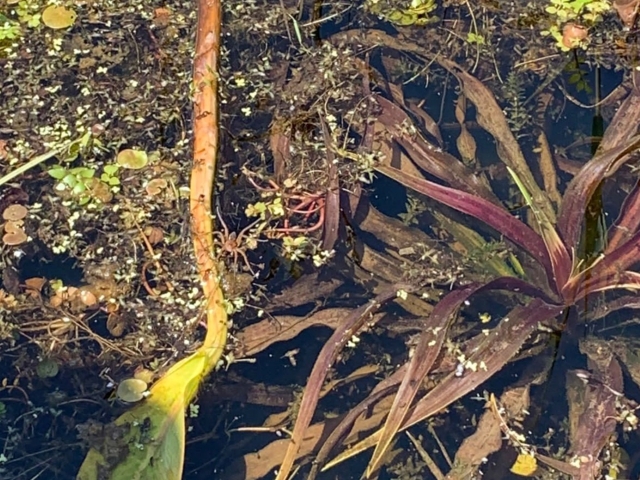
The Fen Raft Spider (Dolomedes plantarius) is a native, semi-aquatic spider of the Dolomedidae family. True to its name, this species can sit and “skate” across the surface of the water, using its water-repellent, hairy legs to take advantage of surface tension. This unique ability allows the spider to hunt effectively: it can strike prey from the water’s surface and even hunt underwater by trapping air bubbles among its hairs, enabling it to move along submerged reeds and vegetation. Its diet ranges from aquatic invertebrates to small fish and vertebrate species, making it a skilled predator in its wetland environment.
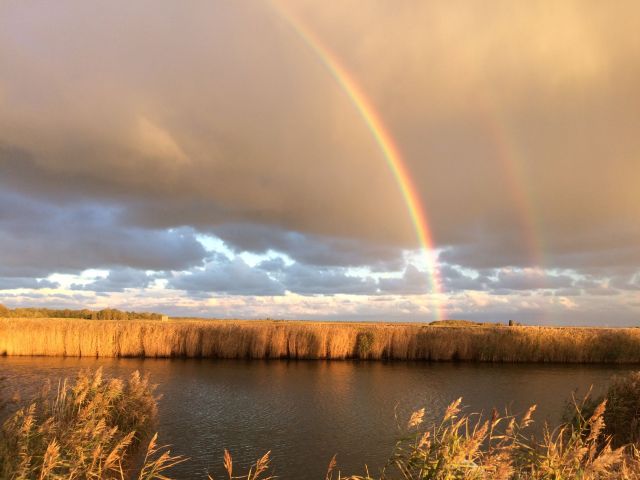
Fen Raft Spiders are typically found in lowland wetlands, where still or slow-flowing water provides the necessary conditions for hunting and breeding. Healthy wetland vegetation, including reed beds and open water channels, is essential for their survival.
Conservation Status and Threats
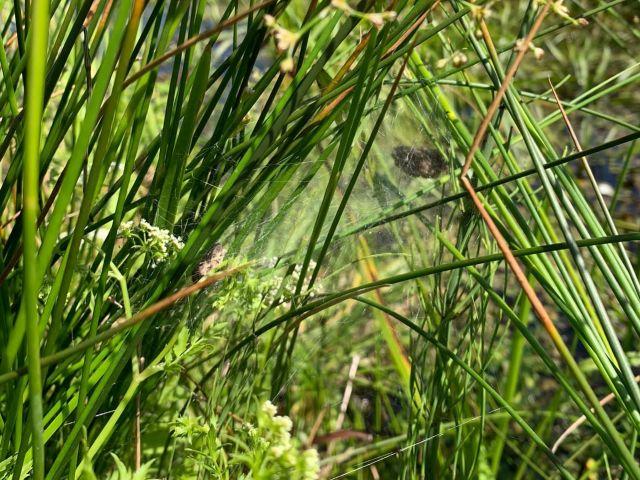
The Fen Raft Spider faces significant threats, primarily due to the destruction and degradation of its wetland habitats. Additional pressures include inappropriate watercourse management, reduced water levels, loss of open areas and the impacts of climate change, including rising sea levels. These factors have confined the spider to a small number of localised populations in the UK, notably within the Waveney, Lower Yare and Lothingland IDB districts, as well as the Pevensey & Cuckmere WLMB districts.
Due to its vulnerable status, the Fen Raft Spider is listed on the Global and British Red Lists as ‘Vulnerable’. It is also a Section 41 species under the Natural and Rural Environment Act (NERC) 2006 and enjoys the highest legal protection as a Schedule 5 species under the Wildlife and Countryside Act 1981 (as amended). Under Section 9 of this act, it is an offence to possess, sell, kill or injure the spiders, or to disturb or destroy their habitat.
Monitoring and Management Practices
In 2010, a national Recovery Programme introduced a translocation initiative aimed at reducing the risk of extinction. This programme has successfully established new populations in Broadland, including areas maintained by Internal Drainage Boards (IDBs).
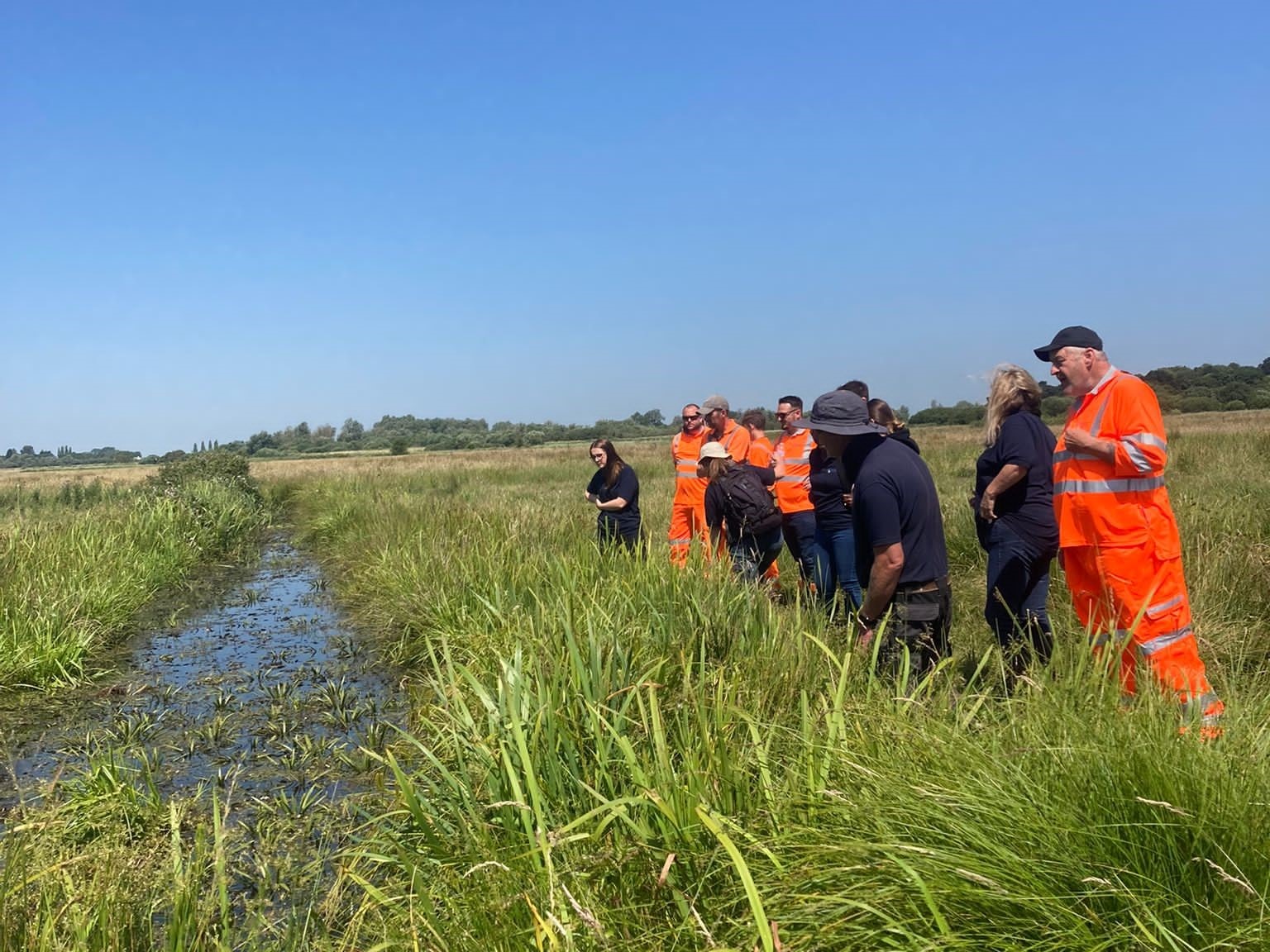
Monitoring of the spider’s population and distribution is ongoing, led by conservation experts. IDBs have contributed to these surveys and received specialised training to manage watercourses in ways that support the species’ habitat requirements. This includes maintaining suitable water levels, preserving open areas and protecting wetland vegetation critical for hunting and breeding.
Conservation of the Fen Raft Spider relies on continued collaboration between experts, land managers and local authorities to ensure these unique spiders thrive in their natural wetland habitats.
Quick Links