
Need help finding something?

Environment - Species Management
Grass-wrack Pondweed (Potamogeton compressus)
Ecology and Habitat
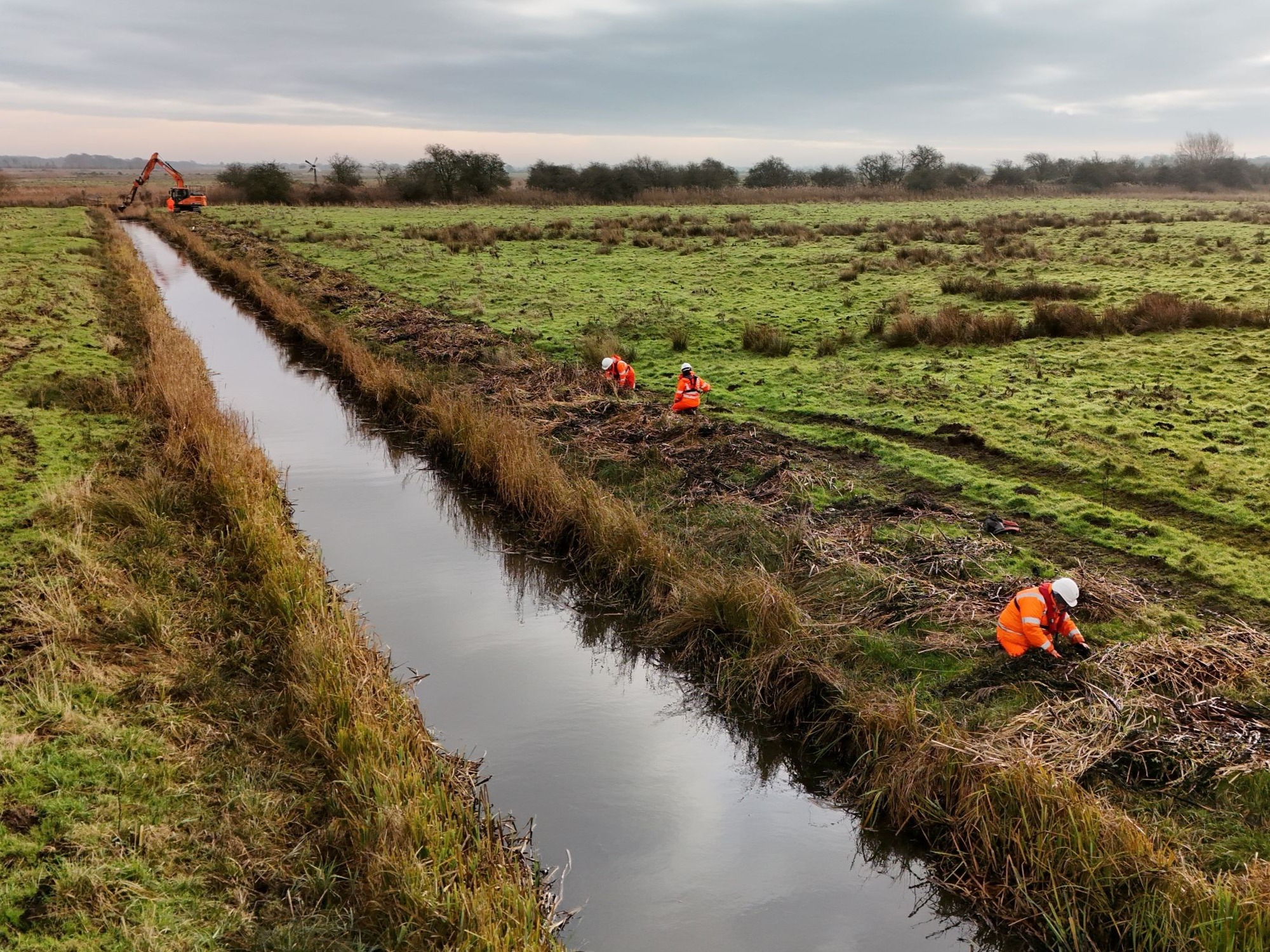
Grass-wrack pondweed is an important component of aquatic ecosystems, contributing to water quality and providing habitat for various organisms. In Norfolk and Suffolk, it predominantly thrives in slow-flowing, high-quality waters, which offer the ideal conditions for its growth. These habitats are critical not only for the plant itself, but also for the broader ecosystem that relies on clean, well-maintained waterways.
Conservation Status and Threats
Grass-wrack pondweed is a rare and nationally scarce aquatic plant, thriving within the fragile marsh ecosystems of the River Bure. It is listed as endangered on the IUCN Red List and is a priority species under the UK Biodiversity Action Plans. Populations have declined significantly across Britain, but ongoing efforts by the Broads IDB provide hope for its survival and potential expansion in the region.
The species faces several key threats:
- Invasive species: The Canadian waterweed (Elodea canadensis) competes for space and resources.
- Habitat loss: Draining and modification of watercourses reduces suitable habitat.
- Water degradation: Pollution and changes in water quality negatively affect growth.
Targeted conservation measures aim to mitigate these threats, supporting the protection and restoration of grass-wrack pondweed populations.
Monitoring and Management Practices
The Broads IDB’s Environment Team undertakes annual monitoring of grass-wrack pondweed to track population trends and habitat conditions. This includes:
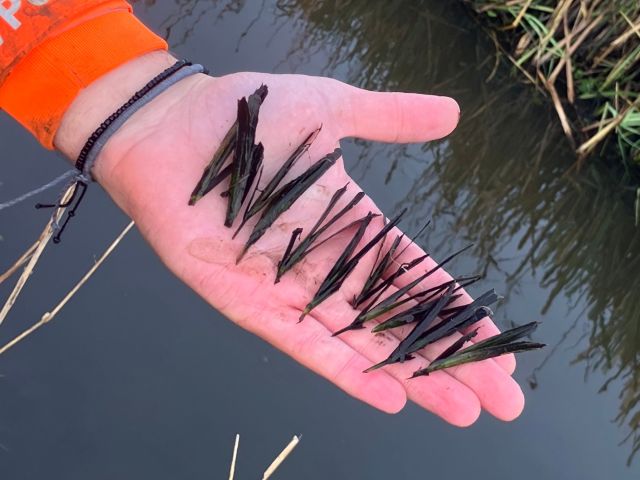
- Population and habitat assessment: Collecting data on drain characteristics, water quality and the presence of turions (overwintering buds).
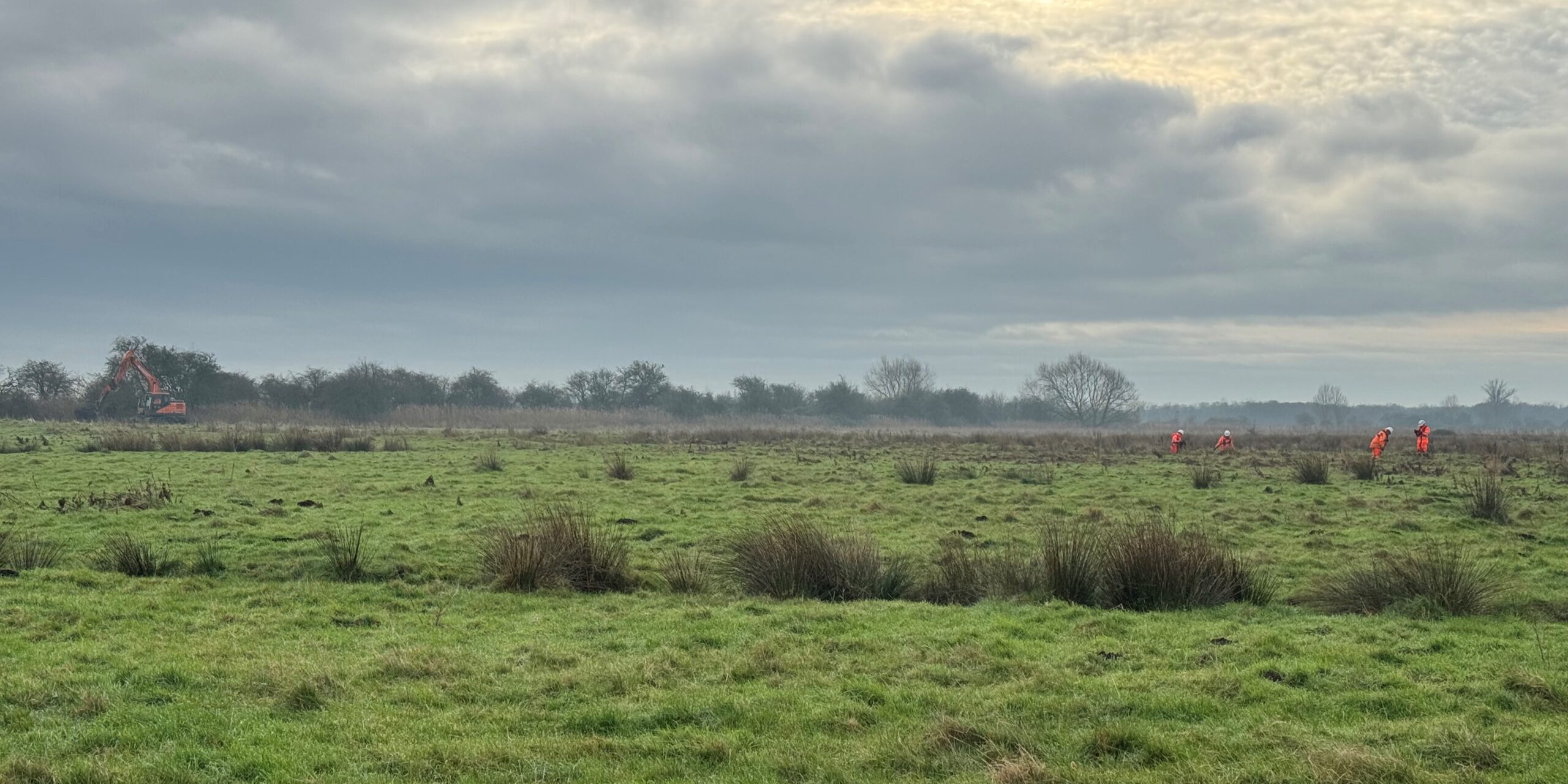
- Sensitive drain maintenance: Annual management of IDB-maintained watercourses, ensuring conditions support pondweed growth.
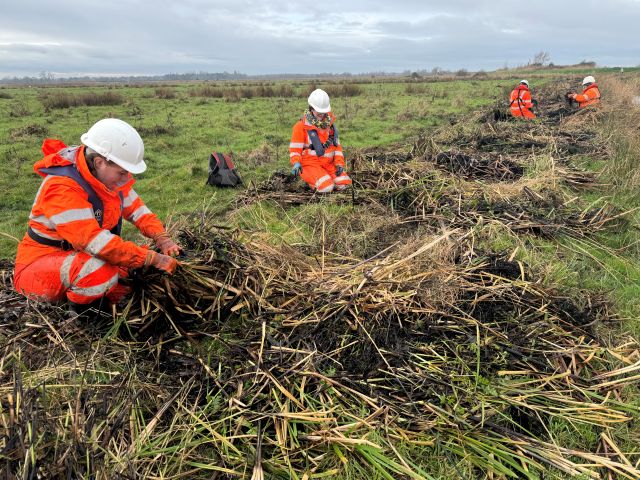
- Turion rescue and return: Each December, turions are carefully collected during drain maintenance and returned to the watercourse. This preserves the species while contributing to the monitoring dataset.
Collaboration between conservationists, local stakeholders and the Broads IDB ensures that management practices are informed by up-to-date monitoring, securing the long-term survival of this endangered species.
Quick Links