Need help finding something?
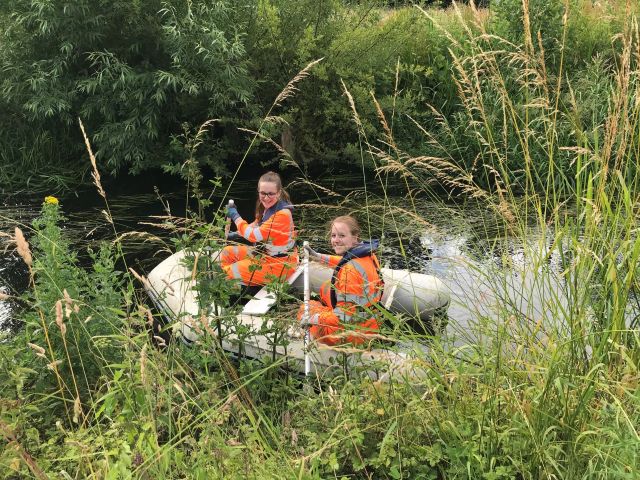
Environment - Species Management
Invasive Species Management
What are invasive non-native species?
Invasive non-native species are plants and animals introduced outside their natural range, accidentally or deliberately, that threaten native wildlife.
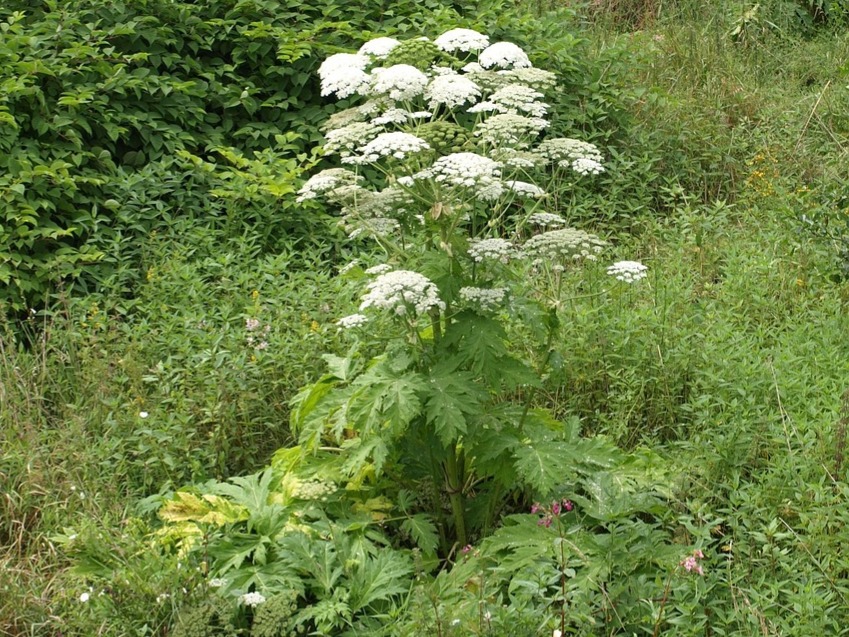
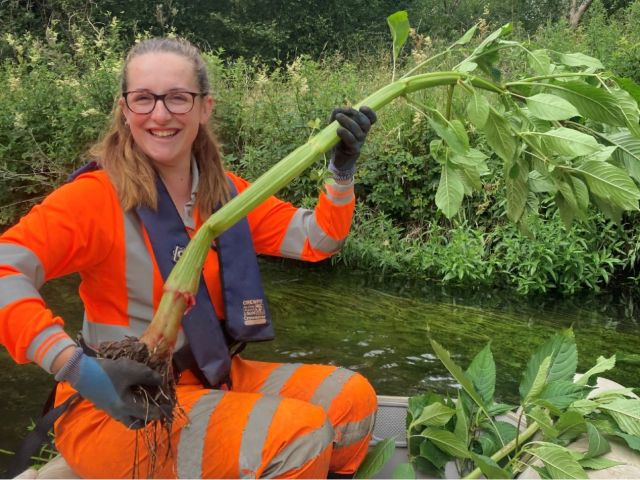
The Victorians were among the first “super-spreaders,” importing plants and animals from across the globe. One example is Giant Hogweed, brought from the Caucasus in the 19th century as a garden ornamental. It soon escaped into the wild via wind and water dispersal and is now common along riverbanks and damp ground.
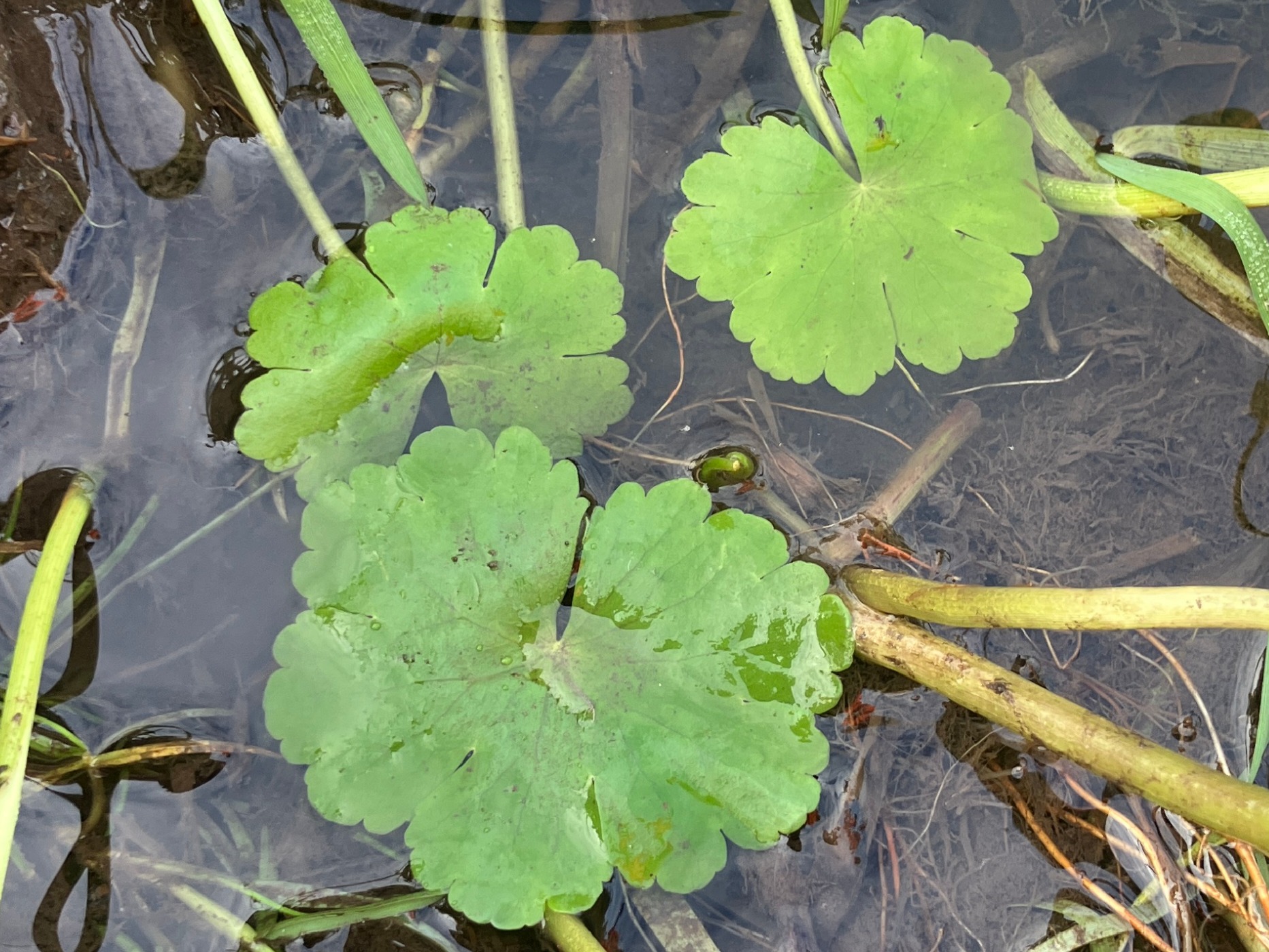
More recently, garden centres unknowingly added to the problem by selling invasive pond plants as oxygenators. Although sales are now banned, many species were already established in the wild and continue to out-compete native flora.
Some invasive animals, such as the Chinese Mitten Crab and American Signal Crayfish, are now so widespread that eradication is not feasible. They erode riverbanks, increase siltation and threaten species such as juvenile eels, White Clawed Crayfish and fish fry.
According to CABI and the GB Non-Native Species Secretariat, invasive species cost the UK economy around £1.9 billion each year. With climate change, range expansion and new introductions, these costs are rising. Invasive non-native species are now a major driver of biodiversity loss in the UK.
The role of IDBs in invasive species management
Internal Drainage Boards (IDBs) within the WMA play an important role in limiting the spread of invasive plants and animals during operational work.
- Early reporting of invasive species to the Environment Team is critical. This allows management strategies to be put in place before a species spreads further or impacts flood risk operations and assets.
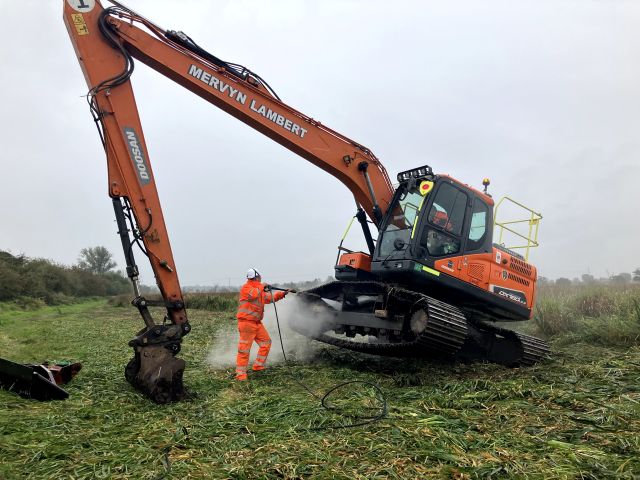
- Operational teams receive training in invasive species identification, sightings are recorded and staff follow the WMA Biosecurity Policy. Our teams also adopt the GB Non-Native Species Secretariat’s “Check, Clean, Dry” initiative before leaving and entering sites. These measures minimise the risk of spreading invasive species between water bodies and work locations.
Partnership working
The Norfolk IDBs have been partners with the Norfolk Non-Native Species Initiative (NNNSI), managed by Norfolk County Council, since the mid-2000s.
- The NNNSI provides a full-time officer to help partners and stakeholders find funding and solutions.
- Norfolk IDBs contribute annually to support this partnership, ensuring coordinated action against invasive species across the county.