
Need help finding something?



Environment - Invasive Species Management
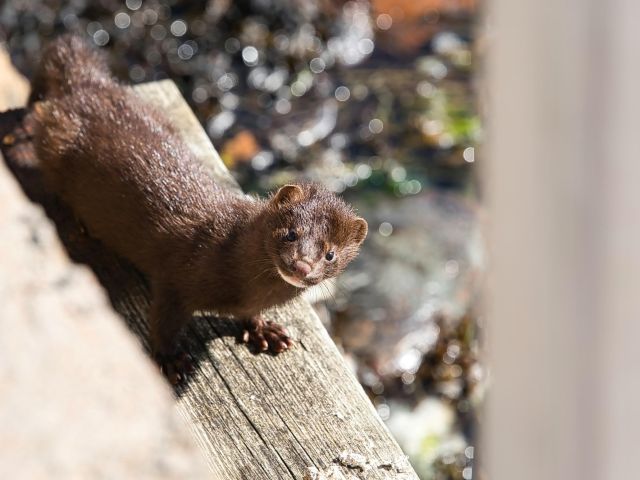
American Mink (Neovison vison)
Threat to Native Wildlife
The American Mink is an invasive species in the UK, posing a serious threat to native wildlife. Their presence has contributed to the decline of species such as water voles, birds and other protected animals. Understanding and controlling mink populations is essential for protecting our biodiversity and supporting the UK’s wider nature recovery efforts.
- Mink predation is a major threat to water vole populations
- They also impact birds and other vulnerable species in wetland habitats
- Controlling invasive species is critical for maintaining healthy ecosystems
IDB Involvement in Control Measures
Our member IDBs (Internal Drainage Boards) have been active in mink control since 2003, starting with trapping programmes on the River Wensum to conserve water voles. This work expanded through the Norfolk Mink Control Project and eventually included more IDBs across East Anglia, collaborating with NGOs and the Norfolk Non-Native Species Initiative.
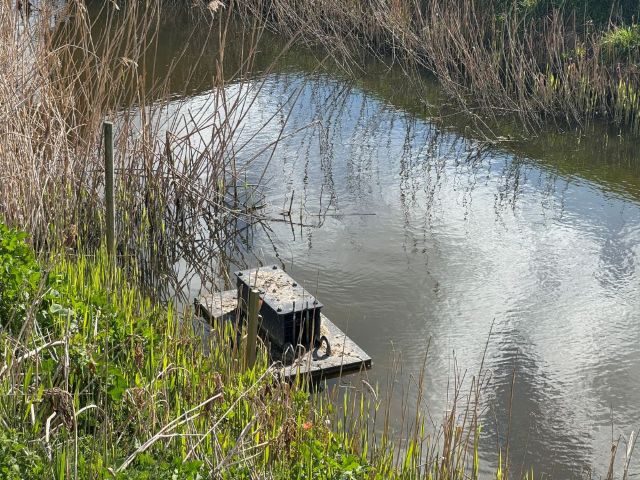
A major step forward came in 2020 with the Water Life Recovery Trust, a wildlife charity that coordinated standardised trapping using Remoti Smart Rafts, supported volunteer trappers and used DNA analysis to track mink populations. South Holland IDB has led the way in Lincolnshire, capturing 23 mink in its first year of participation, inspiring further engagement across the county.
- IDBs have been involved in mink control for over 20 years
- Collaboration with NGOs and initiatives has strengthened efforts.
- Modern technology and DNA tracking are improving success rates
Conservation Success and Broader Impact
What began as a local conservation effort has grown into a strategic, large-scale mink eradication programme running from the River Humber to the Thames Estuary. The project not only benefits water voles, but also supports other wildlife and aligns with the UK’s nature recovery strategy. IDBs continue to play a vital role through funding and active participation, making this a nationally recognised conservation success.
- Project expansion shows increasing success and strategic importance
- Benefits extend beyond water voles to birds and other species
- IDBs remain committed to biodiversity targets and nature recovery
Quick links