
Need help finding something?


Environment - Invasive Species Management
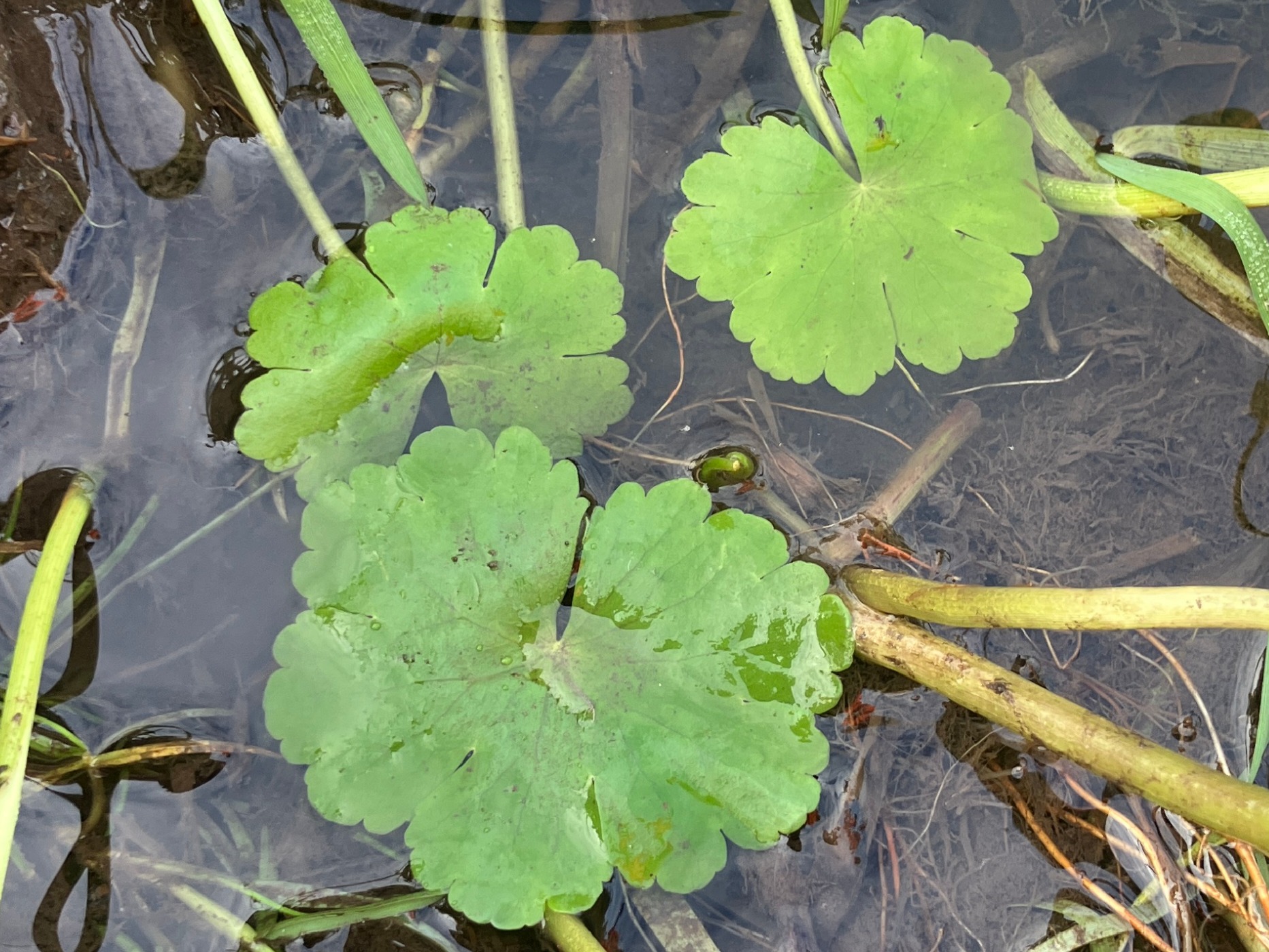
Floating Pennywort (Hydrocotyle ranunculoides)
Threat to Native Wildlife
Floating Pennywort is a fast-growing invasive aquatic plant that spreads rapidly, forming dense mats on the surface of rivers and watercourses. These mats block out light, deplete oxygen levels, and displace native plants, insects, fish, and birds that rely on healthy river ecosystems. If left unmanaged, Floating Pennywort can seriously disrupt biodiversity, restrict water flow, and increase flood risk.
The discovery of this species in Broadland waterways raised immediate concern for local wildlife, habitats and the ecological balance of the rivers. Early detection and rapid intervention have been key to preventing widespread damage.
IDB Involvement in Control Measures
The Norfolk Rivers IDB and the Waveney, Lower Yare and Lothingland IDBs have led the response to Floating Pennywort in Broadland.
Main Rivers:
- First identified in the North Walsham and Dilham Canal (Autumn 2020) and later in large quantities on the River Waveney between Hoxne and Scole (Autumn 2022).
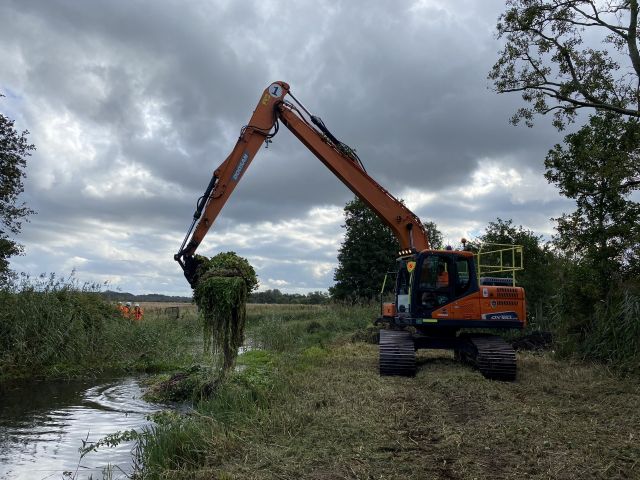
- In partnership with the Environment Agency, the IDBs removed and treated infestations while still manageable.
IDB Watercourses:
- Surveys of the Hundred Stream near East Ruston (August 2024) recorded Floating Pennywort at two sites
- A joint plan with NNNSI led to removal in September 2024 using excavation, hand-pulling and safe burial
- Further regrowth was sprayed and cleared by NNNSI officers and North Walsham and Dilham Canal Trust volunteers
This work was funded through the NRIDB and BIDB Biodiversity Action Plans.
Conservation Success and Broader Impact
Since 2020, our Environment Team have worked closely with a wide range of partners, including: Environment Agency, Broads Authority, RSPB, Waveney Rivers Trust, North Walsham and Dilham Canal Trust (NWDCT), Natural England, NNNSI (Norfolk Non-native Species Initiative)
Together, these organisations have built a coordinated strategy to manage, monitor and move towards the eradication of Floating Pennywort in Broadland, helping to protect biodiversity, while also strengthening community awareness and creating a collaborative model for managing invasive species across the region. The ongoing commitment includes:
- Immediate removal of identified growths
- Regular follow-up surveys and spray treatments
- Continued monitoring of at-risk watercourses
- Engagement with local volunteers and trusts to support long-term control
Quick Links