
Need help finding something?

Environment - Species Management
Swifts, Swallows and Martins
Ecology and Habitat
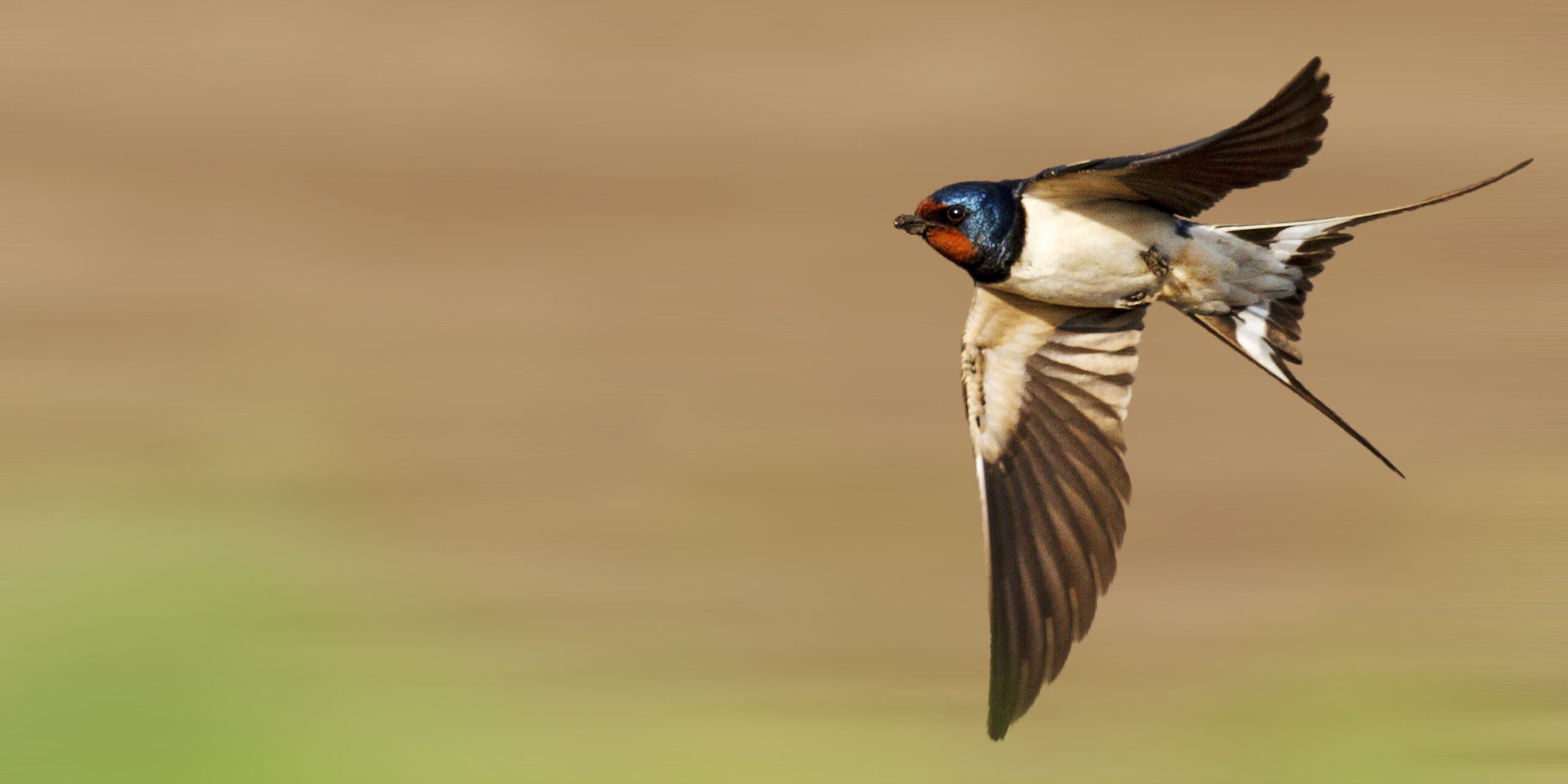
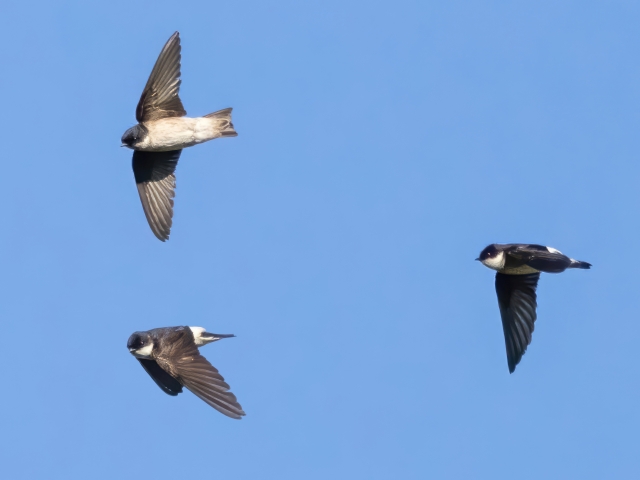
Swifts (family Apodidae), swallows and martins (family Hirundinidae) are key aerial insectivores, valued for their agility and long migrations. Despite belonging to different families, their similar appearance and behaviour often lead to them being grouped together. Swifts have long, boomerang-shaped wings and spend nearly their entire lives in flight — feeding, mating, and even sleeping on the wing. In contrast, swallows and martins perch more frequently and construct nests using mud and saliva.
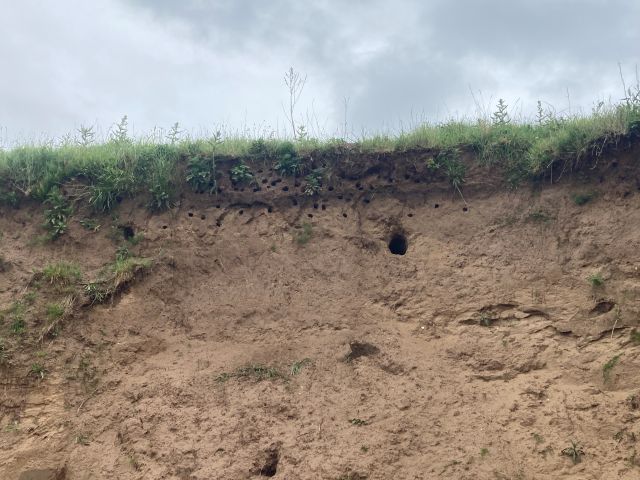
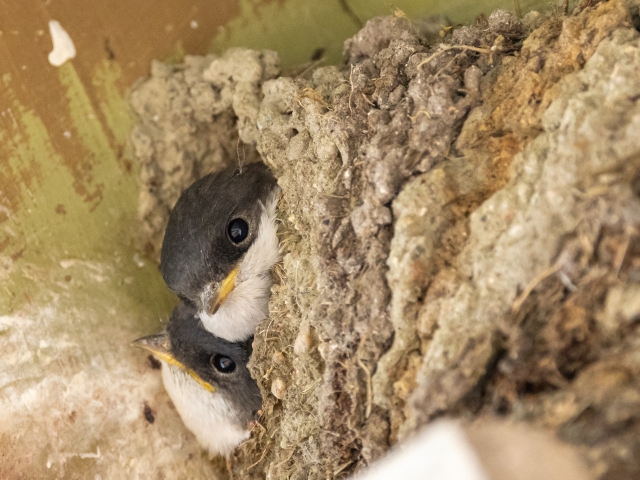
Swallows build open cup-shaped nests on beams and ledges in accessible buildings such as barns, while house martins build enclosed nests beneath eaves. Modern building materials like PVC reduce suitable nesting sites, increasing habitat pressures. Sand martins prefer natural settings, nesting in burrows within sandy or silty riverbanks, including those found across IDB catchments.
Conservation Status and Threats
Swifts, swallows and martins have experienced major population declines of 30–60% across the UK, mainly due to habitat loss and climate change. The widespread use of smooth, modern building materials has limited traditional nesting opportunities, while shifting weather patterns have affected their insect prey and migration timing.
Swifts depend heavily on cavities in older buildings, while house martins and swallows require mud sources to build nests — both of which have become scarcer. Sand martins face threats from bank erosion and vegetation growth that alter suitable nesting cliffs. Together, these pressures contribute to reduced breeding success.
The WMA and its member Boards prioritise these species under Biodiversity Action Plans (BAPs), recognising their importance in maintaining ecological balance and supporting invertebrate control across wetland and rural landscapes.
Monitoring and Management Practices
The WMA and its member Boards carry out regular monitoring and habitat enhancement for these species. Key initiatives include:
- Swallow Surveys: Conducted annually by the WMA Environment Team and South Holland IDB staff at pumping stations and water control structures. In the most recent survey, 12 of 28 sites showed swallow activity and one recorded house martins. Results guide habitat improvements and nest site provision.
- House Martin Tower: A purpose-built tower within the King’s Lynn IDB district provides nesting cavities and uses recorded bird calls to attract house martins. Integrated bat boxes further enhance biodiversity at the site.
- Sand Martin Wall: Sand Martins nest in the maintained sandy banks of watercouses found in the South Holland IDB district. Vegetation is trimmed, and slopes managed to maintain suitable vertical faces. Around 30 individuals were recorded nesting in the latest survey.
- Nest Box Programme: Ongoing assessments identify WMA buildings suitable for nest boxes, improving breeding opportunities ahead of migration seasons.
Through these actions, the WMA and IDBs continue to conserve and enhance vital habitats for Swifts, Swallows and Martins within drainage districts.
Quick Links