
Need help finding something?
Environment - Species Management
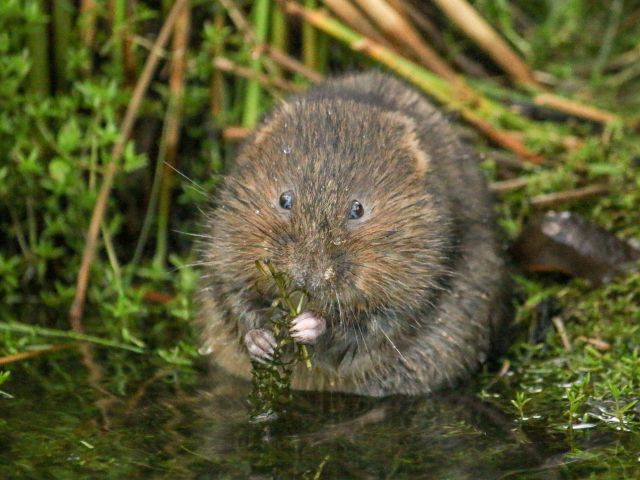
Water Vole (Arvicola amphibius)
Ecology and Habitat
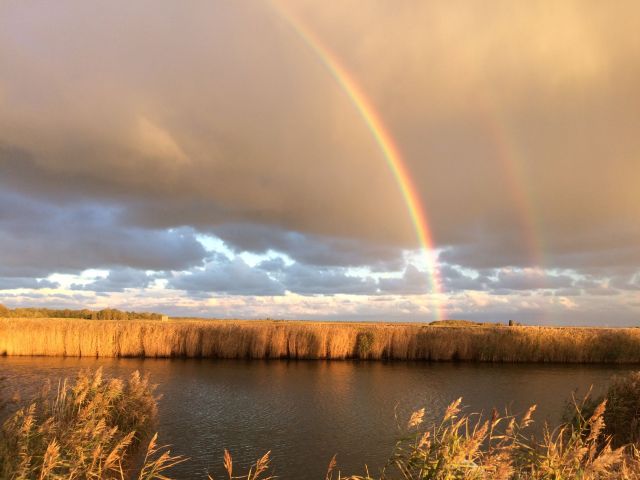
Water voles are semi-aquatic rodents that rely on vegetated river and ditch banks, wetland margins and slow-moving watercourses. They create burrows and use dense marginal vegetation for shelter, foraging and protection from predators. Maintaining continuous stretches of suitable bank-side habitat and marginal vegetation is critical for sustaining healthy populations.
Key habitat features include:
- Vegetated margins with emergent and marginal plants.
- Accessible burrow systems in soft banks.
- Connectivity to other suitable habitats for dispersal.
Conservation Status and Threats
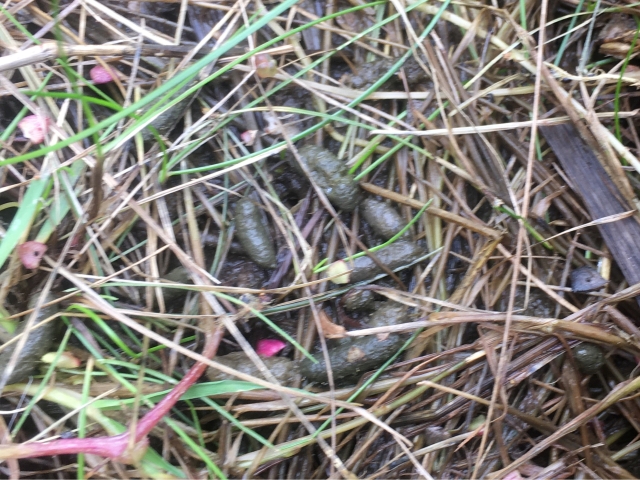
Water voles are legally protected in the UK under Schedule 5 of the Wildlife and Countryside Act 1981.
Projects undertaken within or near water vole habitat, particularly where burrows are present, must seek to avoid negative impacts on water voles. Where avoidance is not possible, appropriate mitigation measures must be incorporated into project plans.
Key threats:
- Loss and fragmentation of marginal vegetation and burrow sites due to development, drainage and agricultural practices.
- Predation and competition from non-native species in some areas.
- Disturbance to burrows or direct mortality from earthworks and vegetation clearance.
Monitoring and Management Practices
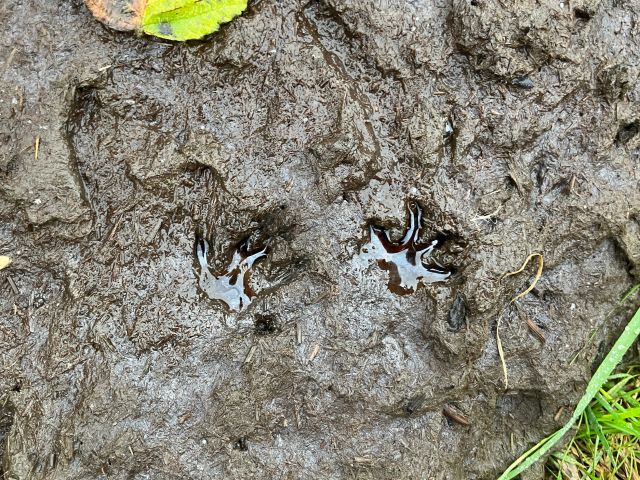
We are committed to protecting water voles and ensuring that our activities support their continued presence in local habitats. Wherever possible, works are carefully planned to avoid disturbance to water voles or their burrows.
When impacts cannot be completely avoided, we follow strict procedures in accordance with legislation and Natural England licensing requirements. All mitigation measures are undertaken responsibly and in line with best practice guidance to safeguard this protected species.
We are proud that water vole populations in East Anglia remain stable, demonstrating that our approach to maintenance, monitoring, and mitigation is having a positive effect on their habitat and long-term conservation.
Quick Links