
Need help finding something?
PROJECTS
Drockmill Pumping Station Project

Services
Drainage & Watercourse Maintenance
Mechanical & Electrical Engineering
Civil Engineering

Location
Nr Rickney
Eastbourne
East Sussex

Partners
Civils – Breheny Civil Engineering
Stantec – Design
ACE – Supply of fish friendly screw pumps

Start & Completion
Due April 2026
The Drockmill Pumping Station Project is part of our wider commitment to managing water levels in a way that protects both communities and the environment. The work is being carried out in partnership, bringing together expertise from several organisations. Stantec are leading on design, ACE are supplying innovative fish-friendly screw pumps, and a civils contractor (to be confirmed) will deliver the construction works. Funding has been secured through Tranche 2B of the IDB Storm Recovery Fund, ensuring this essential project can be completed by 1 April 2026. By working collaboratively, we are building on proven approaches from recent projects while responding to the specific needs of the local area.
Project Overview
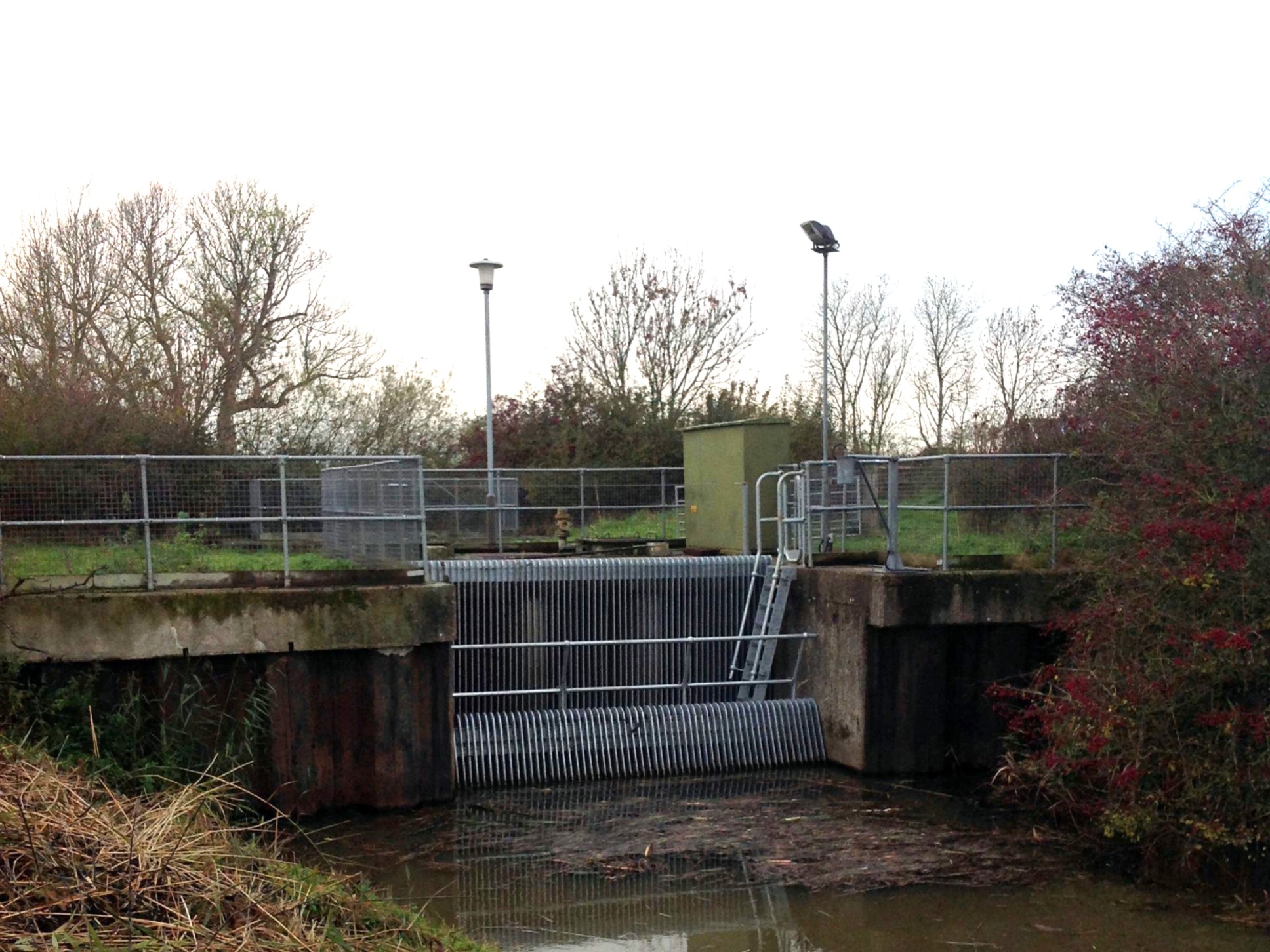
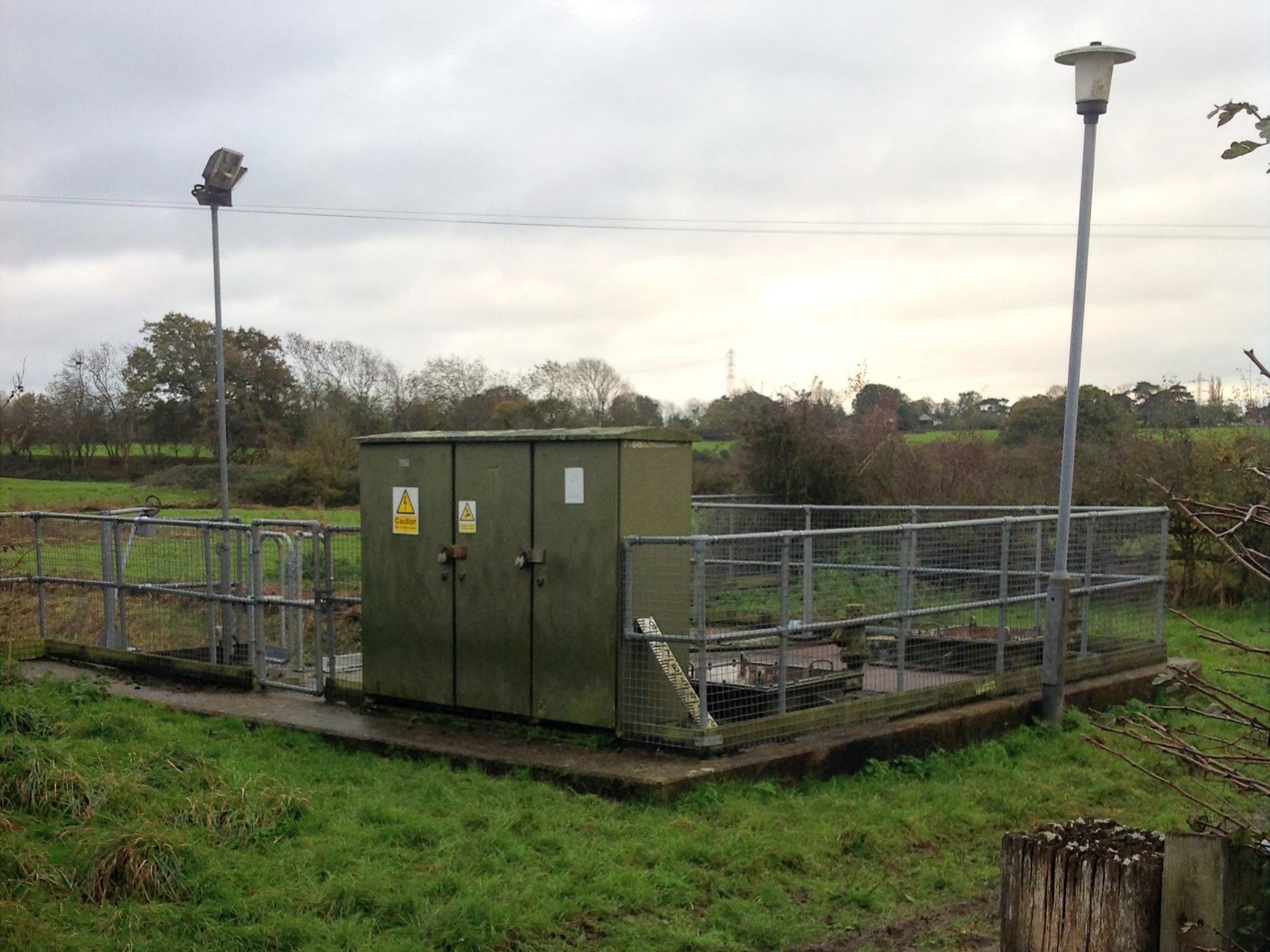
The project will see the full design and construction of a new pumping station at Drockmill Hill Gut, where it meets the Glynleigh Main River, north of Polegate and Stone Cross. The existing pumping station has reached the end of its design life and presents health and safety challenges. The replacement will provide a modern, efficient, and resilient structure. The design process is already underway, and key equipment – including fish-friendly pumps – has been ordered. To speed up construction and reduce costs, we are adopting techniques successfully used at Harty and Leysdown pumping stations, such as using pre-cast elements that minimise time spent on-site.
Benefits
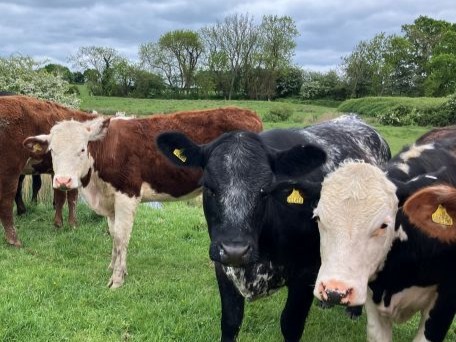
Once complete, the new Drockmill Pumping Station will deliver long-term benefits for both people and nature. It will provide improved water level management, helping to safeguard properties, businesses, and agricultural land upstream. At the same time, the use of fish-friendly pumps and enhanced water control will support protected species and enable the creation of new wetland habitats. Together, these outcomes strengthen climate resilience, protect local livelihoods, and promote biodiversity in the area.