Need help finding something?
PROJECTS
Islington Pumping Station Project

Services
Civil Engineering

Location
Eau Brink Road, Wiggenhall St Germans, King’s Lynn

Partners
Delivered by:
Balfour Beatty
with
Royal Haskoning DHV
Bedford Pumps Ltd

Start & Completion
July 2019 – December 2022
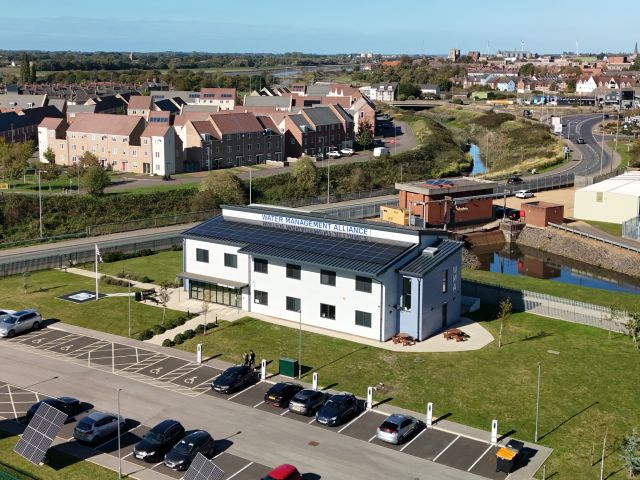
The King’s Lynn Internal Drainage Boards (IDBs) manage water levels across a large part of West Norfolk, protecting homes, farmland, and infrastructure from the risk of flooding. A key element of this work is the Islington Pumping Station, which provides vital flood defence for King’s Lynn and the surrounding Fens.
The original Islington Pumping Station, built in the 1950s, had reached the end of its service life and was no longer able to cope with the demands of changing climate and land use. To ensure continued flood resilience for the King’s Lynn area, a £26 million replacement project was undertaken.
The new Islington Pumping Station is the result of a successful partnership between the King’s Lynn IDBs, the Environment Agency, and specialist contractors. Their combined expertise made it possible to deliver a modern, efficient, and environmentally sensitive facility that will safeguard the area for decades to come.
Project Overview
The civil engineering, led by Balfour Beatty, involved a range of specialist works:
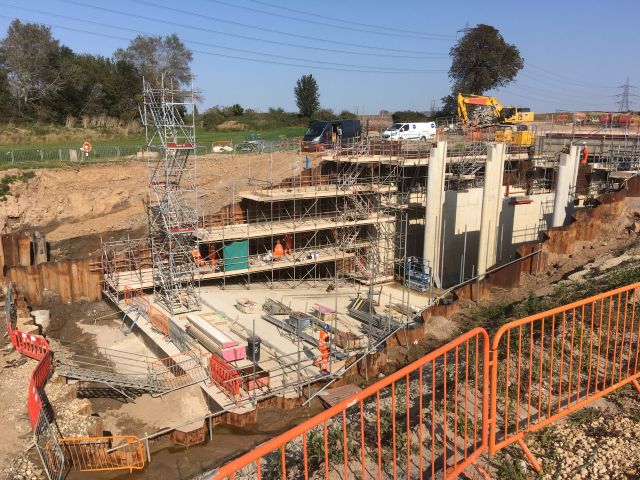
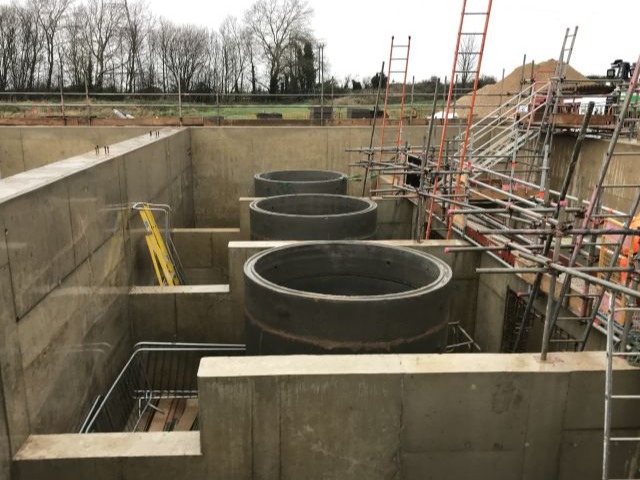
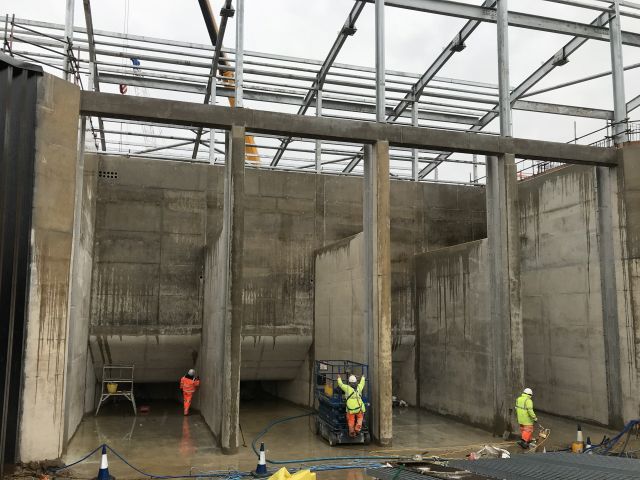
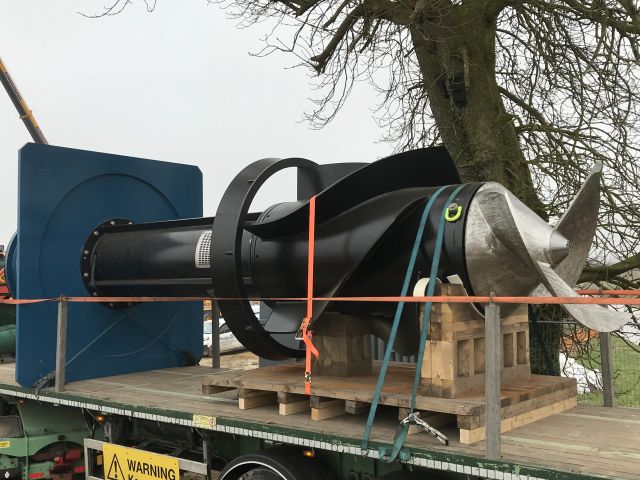
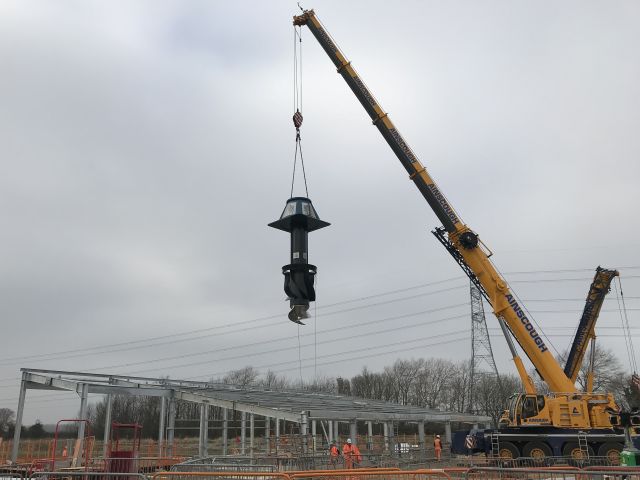
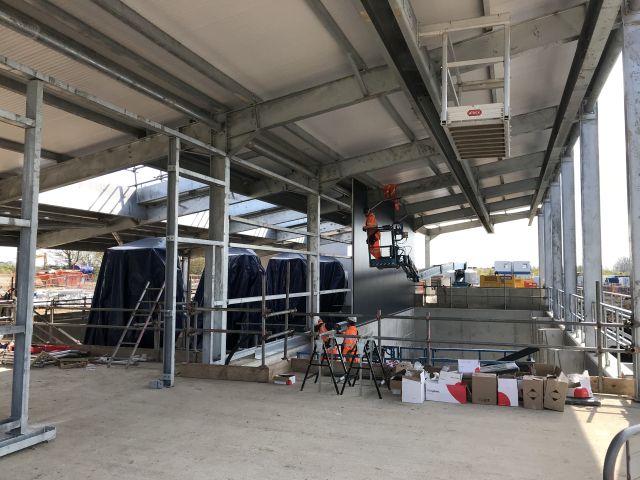
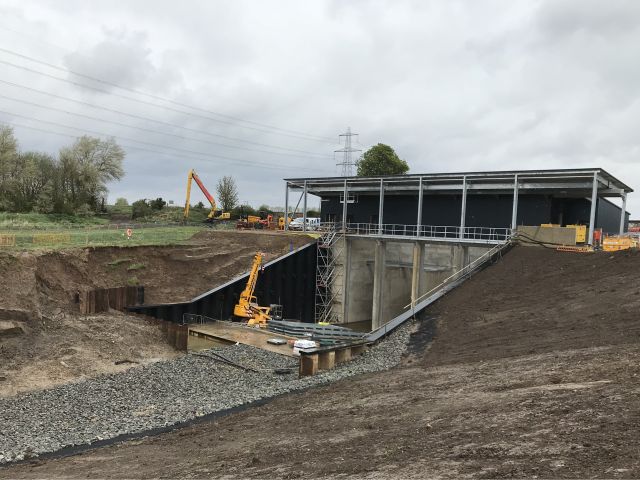
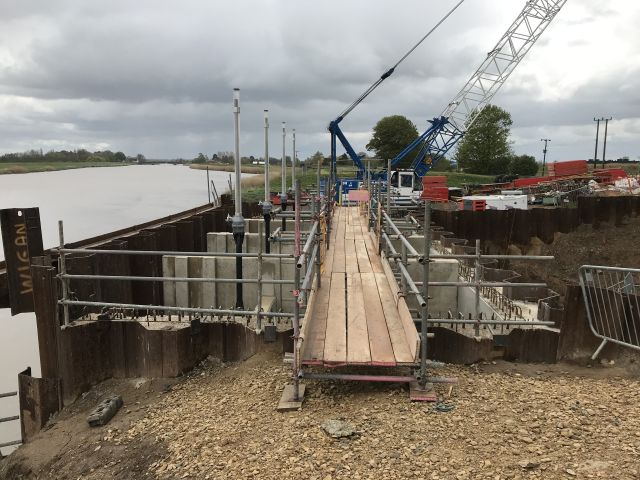
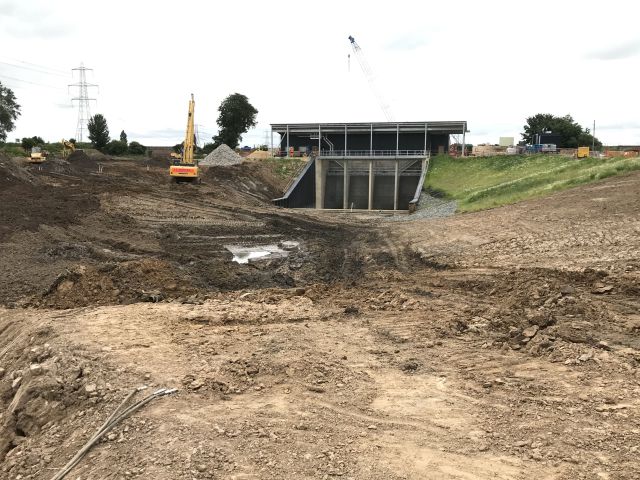
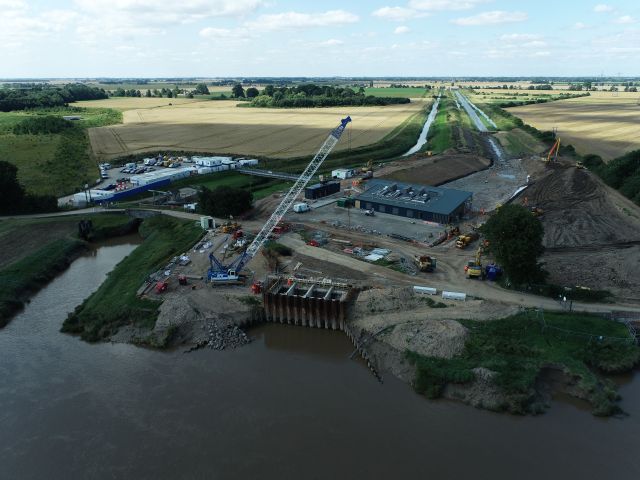
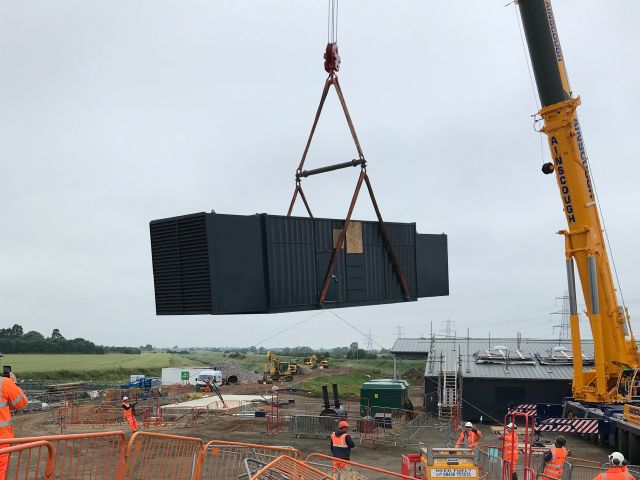
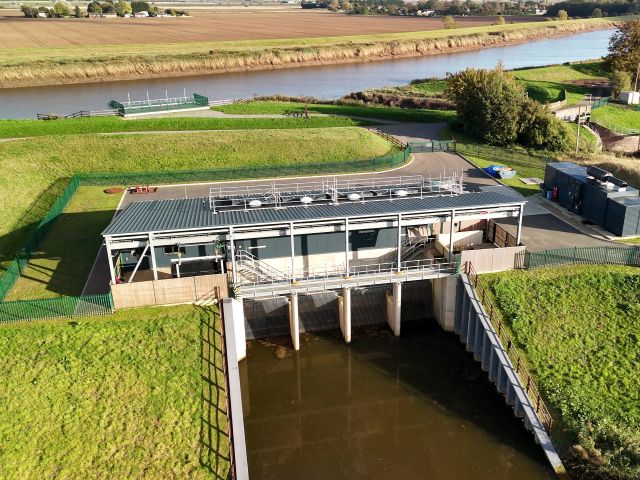
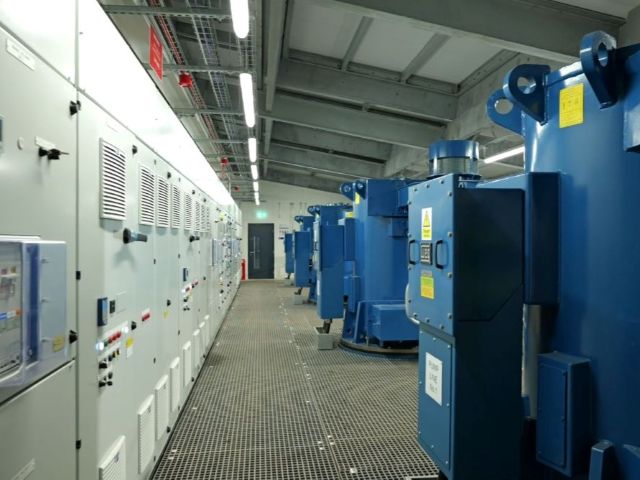
- New pumping station construction: A modern facility was built on a new site along the banks of the tidal River Ouse. It houses four high-capacity, fish-friendly pumps supplied by Bedford Pumps, capable of moving more than 100 tonnes of water per second.
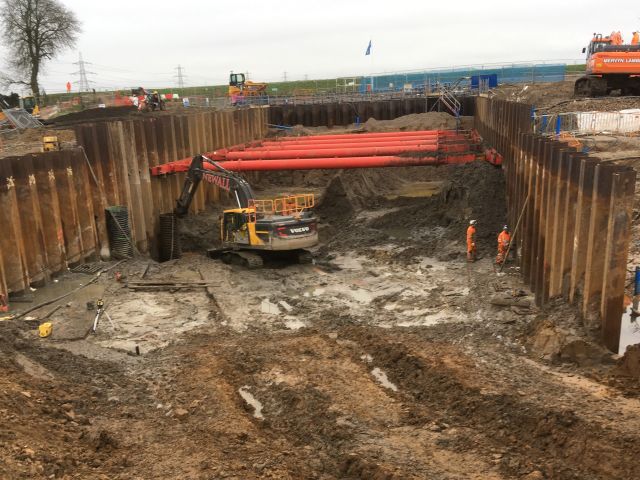
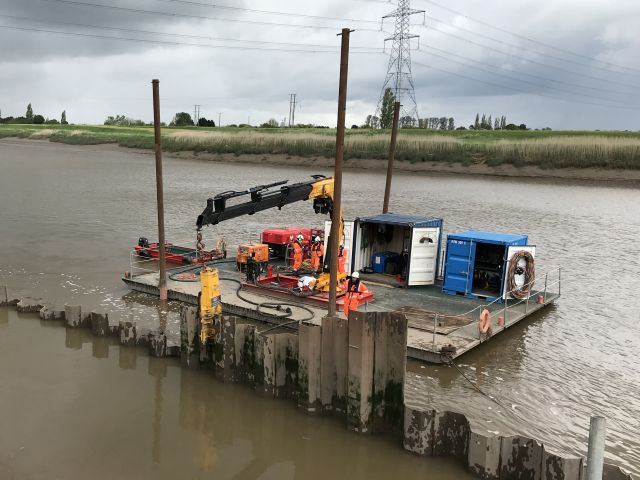
- Foundation and piling works: Steel sheet piles were installed to stabilise the structure and ensure long-term resilience in challenging ground conditions.
- Electrical control systems: Paktronic Engineering designed and installed advanced motor control centres to provide efficient and reliable pump operation.
- Weed screen cleaners: Fully automated weed screen cleaners from Aquatic Control Engineering (ACE) were fitted to prevent blockages from debris and vegetation, maintaining uninterrupted water flow.
- Project delivery: The scheme was completed on time, within budget, and to a high standard through effective collaborative management.
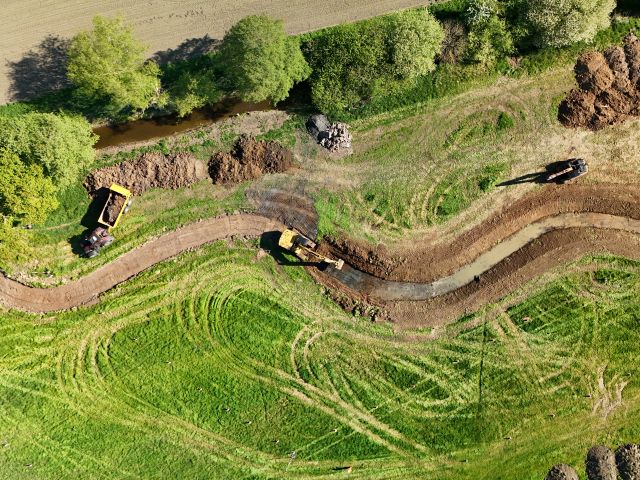
Alongside the engineering works, the project also prioritised the environment, with measures built in to protect migratory species such as eels.
Benefits
The new Islington Pumping Station secures long-term flood protection for over 15,000 homes, 500 businesses, and more than 25,000 hectares of farmland in the King’s Lynn area. This provides confidence to residents, businesses, and local authorities that critical infrastructure and livelihoods are protected from extreme weather events.
Beyond flood defence, the scheme also delivers important environmental benefits:
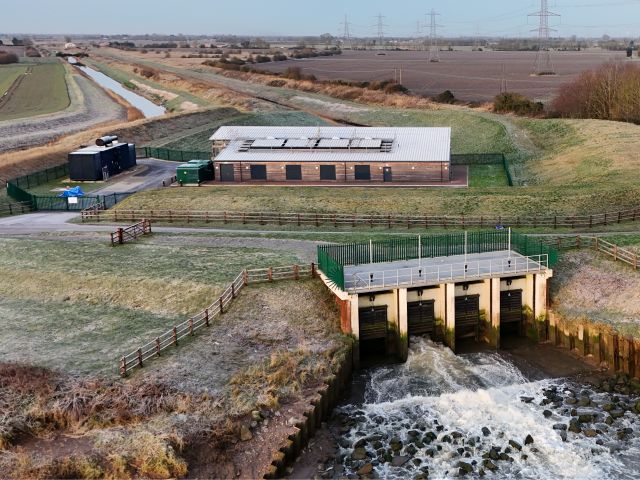
- Eel and fish passage: The 4 new fish-friendly pumps, alongside the new eel pass, provides access to 265 km of watercourse, supporting biodiversity in the River Great Ouse system and our catchments.
- Efficient infrastructure: The new technology ensures reliable performance with reduced energy consumption and lower maintenance needs. The capacity has been increased to 16m3 /s accounting for climate change predictions. The new station has been located at the end of the Straight mile to eradicate the need for reliance of gravity discharge through tidal doors, as before, so the station can now continue to discharge whatever the tidal and fluvial situation.
- Future-proofing: The facility is built to meet the challenges of climate change, with capacity to manage increasingly intense rainfall events.
- Recognition: The project won the 2021 Gold Green Apple Environmental Best Practice Award in the Building & Construction/Sustainable Water Management category, celebrating excellence in biodiversity net gain, community engagement and legacy & sustainability.
Historic Location
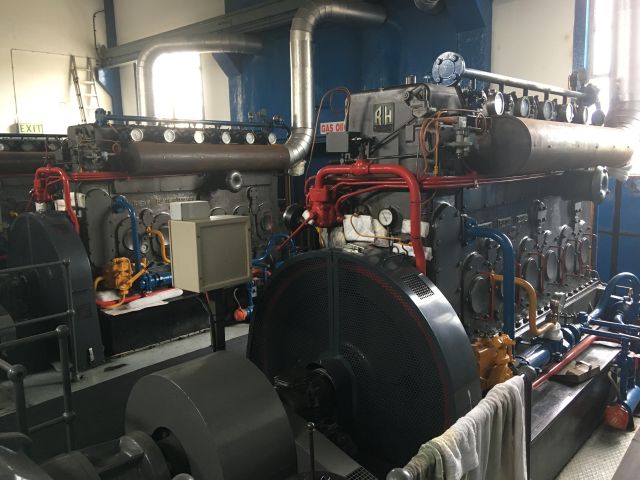
Islington Pumping Station was located at the downstream end of the Islington catchment and comprised three manually operated diesel pumps and two automatically controlled electric pumps, giving a combined capacity of 12m3 /s. The original pumping station was completed in 1959 with an extension to add the electric pumps in 1988. The pumping station pumped water into a channel known as the Straight Mile that continued for approximately 1.5km before its outfall by gravity through pointing tidal doors into the River Great Ouse. The outfall from the Straight Mile suffered from tide-locking (no gravity discharge) during a fluvial flood event for significant periods of time (approximately 4 hours per 12h tide cycle). So that the Straight Mile channel did not become overwhelmed or breached, pumping at Islington Pumping Station was reduced manually. This caused a catchment-wide effect; decreasing the standard of drainage and increasing flood risk, even on a relatively small return period event.
Project Gallery