
Need help finding something?
Bluntisham IDB
Operations
Planned Maintenance work
The Board undertakes a number of routine maintenance operations periodically. Principle operations include:
- Pump servicing and repairs
- Weed cutting
- De-silting
- Bushing and tree coppicing
- Mowing and control of bankside vegetation
The Board also undertakes other planned maintenance operations such as slip repairs, pipeline inspections, culvert cleansing, repairs and renewals. Please check out our Work Programmes webpage for a comprehensive list of planned maintenance works.
Balancing Flood and Coastal Erosion Risk Management with the Environment
We recognise that our watercourses and coastal defences are not just Engineering Structures but are also Wildlife Corridors. As such we seek to ensure that important wildlife and their habitats are not endangered by our operations, or during periods of flooding or drought. The Board’s Biodiversity Action Plan, Biosecurity and Standard Maintenance Operations (SMO) policy documents clearly set out how we intend to achieve this.
The SMO policy document has been based on the Drainage Channel Biodiversity Manual produced by ADA and Natural England in 2008, and, has since been reviewed to take account of the Water Framework Directive as set out in the Channel Management Handbook and Good Ecological Potential in Fenland Waterbodies Handbook produced more recently by ADA and the Environment Agency. We also seek to reduce our carbon footprint by undertaking work in the most carbon efficient and sustainable manner.
Planned Capital work
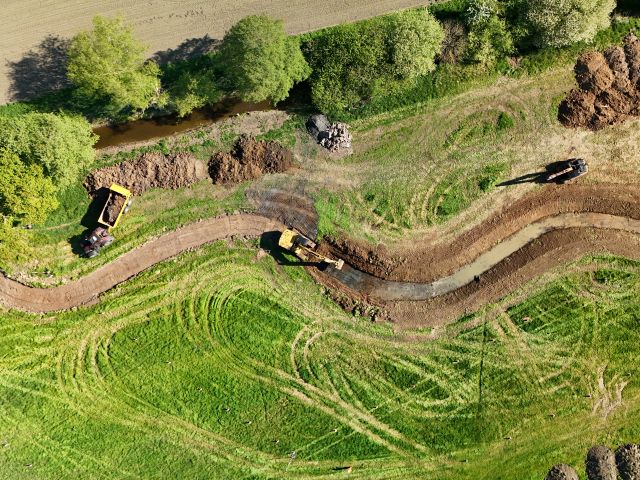
The Board has a comprehensive capital works programme and the individual projects are listed each year on our Work Programmes webpage. Types of scheme include:
- Hydrological Modelling of sub catchments
- Flood Risk Management Improvement and refurbishment
- Environmental Improvement
- Water quality and river-restoration
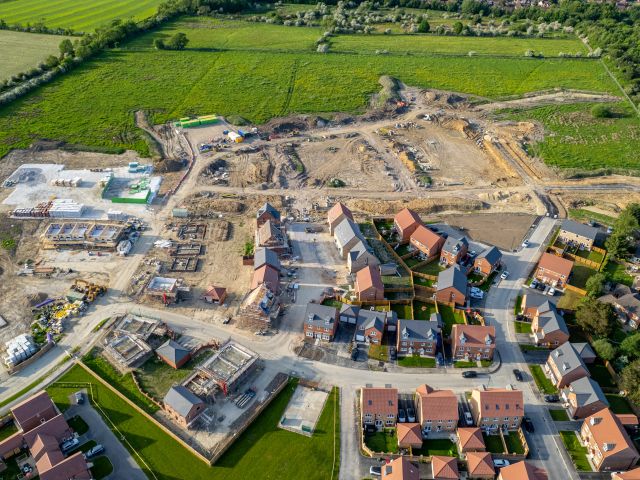
We may also need to undertake other improvement work to facilitate development as and when required.
Inspection of the Drainage Infrastructure
The condition of our drainage infrastructure is periodically assessed by trained Asset Surveyors to ensure that it remains fit for purpose and meets today’s health and safety requirements. The results of our visual asset inspections inform the planned maintenance and capital works programmes for future years.
Much of our Drainage Infrastructure is at the end of its economic life and needs replacing or extensively refurbishing. Whilst the necessary improvements are now scheduled in the capital programme, if the infrastructure fails before we can do the work, we must be able to respond immediately and make the necessary repairs.
Emergencies
We respond to emergencies during periods of high rainfall and during tidal surge events, utilising our workforce, Board membership and state of the art telemetry system. We work closely with other operating authorities and have detailed how we shall respond in an emergency situation on our Emergencies webpage.
Fly-tipping
We have to contend with an increasing amount of fly-tipping, which is blighting our landscape, costly to manage and bad for the natural environment. We are working with the Councils and the Environment Agency to collectively help tackle the problem, in accordance with our Fly Tipping Policy.
More Information
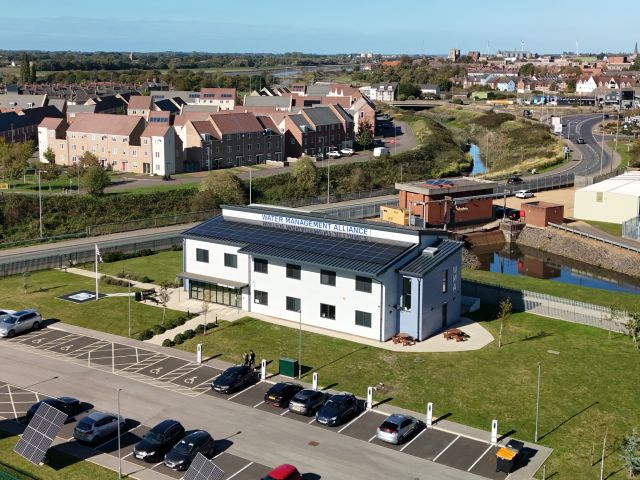
The Bluntisham Internal Drainage Board (IDB) joined the Water Management Alliance as an ‘Associated Board’* on 1st April 2026.
Policies and procedure documents relating to the Boards activities are currently being updated and will be published here at www.wlma.org.uk as soon as possible.
In the meantime, if you have any specific document requests please email info@wlma.org.uk.
Thank you for your patience while we administer the transfer of the board’s documents.
* The board remains an independent organisation with its own governance and decision-making powers, but chooses to receive administrative and technical services from the WMA under an agreed arrangement. The board is therefore “Associated” with the WMA for the delivery of services, rather than being a full “Member Board”.