Need help finding something?


PROJECTS
Eau Brink Outfall Upgrades

Services
Civil Engineering


Partners
Stantec UK Ltd
Martin Childs Limited

Start & Completion
Completed March 2026
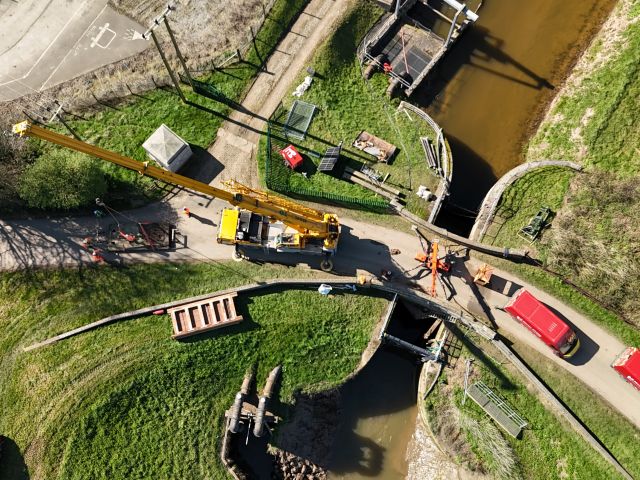
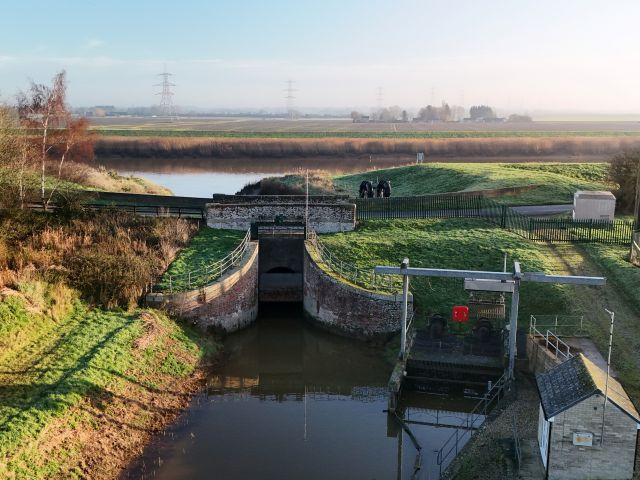
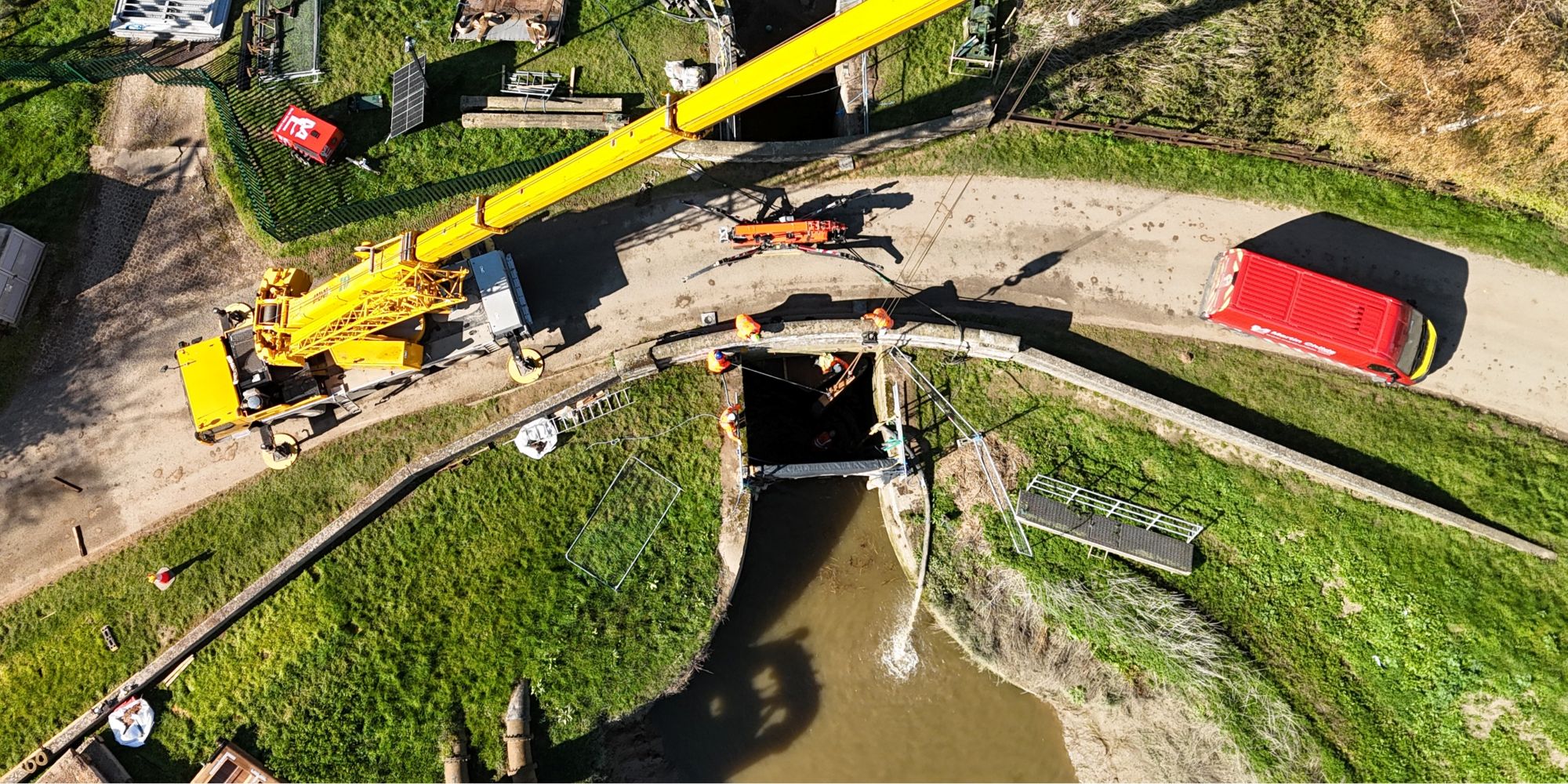
The Eau Brink Tidal Outfall plays a vital role in managing water levels and reducing flood risk across the surrounding low-lying fenland. The structure controls water levels within the Mill Basin immediately behind the outfall, while also supporting the wider Green Bank catchment further upstream. This wider area is heavily influenced by tidal conditions and relies on resilient infrastructure to protect communities, farmland, pumping stations and environmentally sensitive habitats.
This project forms part of ongoing investment in resilient flood and water management assets across the catchment and has been made possible through funding from Defra’s IDB Storm Recovery & Asset Improvement Fund.
Overview
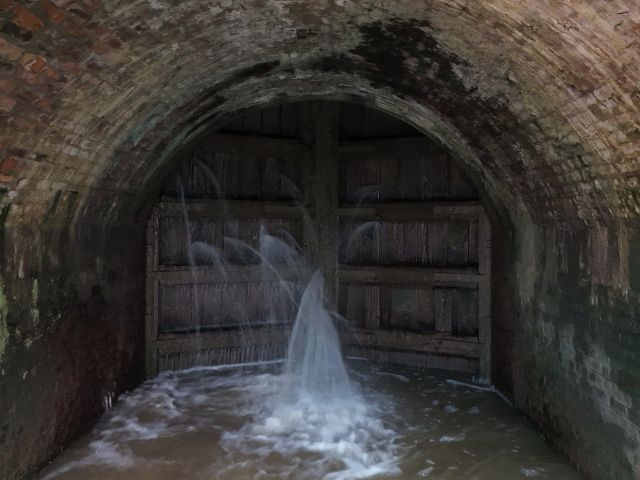
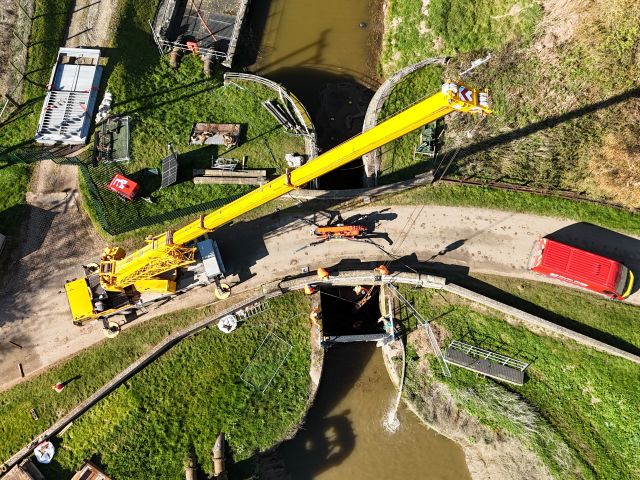
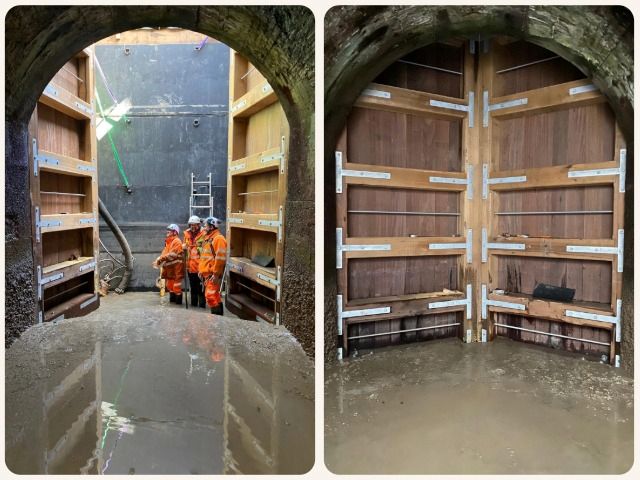
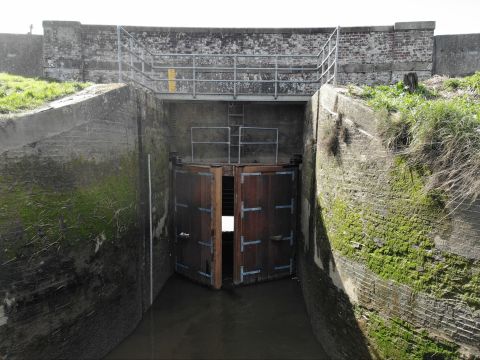
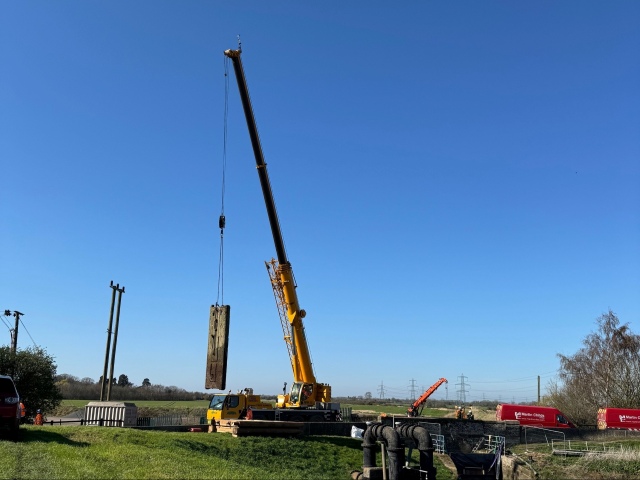
In early 2026, works were completed to upgrade the tidal outfall structure at Eau Brink. The old tidal sluice doors, built in 1968, were last refurbished during the mid-1980s and had deteriorated significantly over time, with leakage occurring during high tides and sections of timber cladding affected by rot. As the primary defence against tidal ingress to over 3,700 hectares of land and more than 130 properties, replacing the structure was essential to maintaining long-term flood resilience within the upstream fenland.
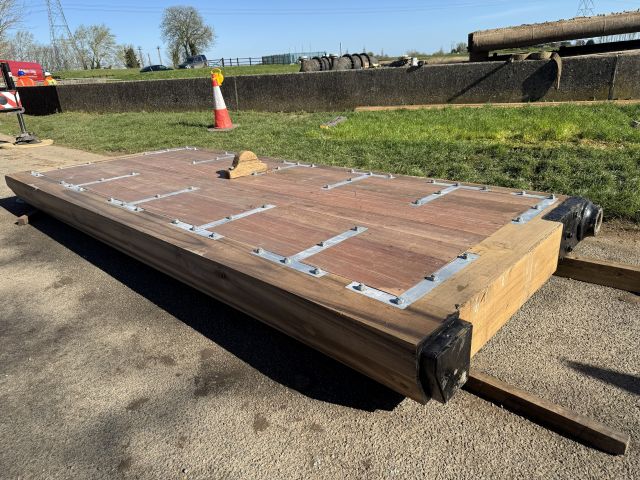
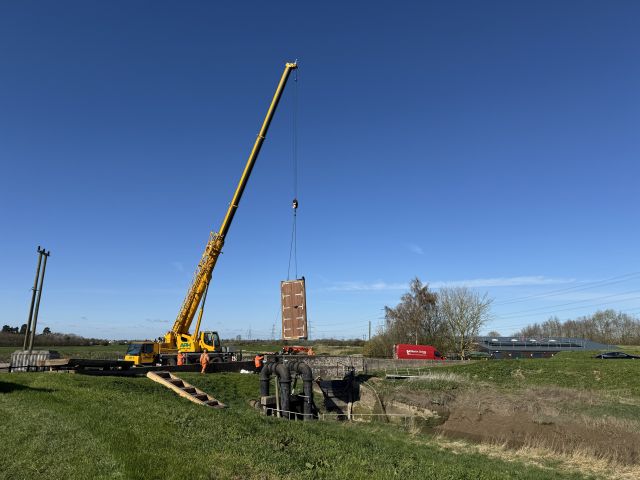
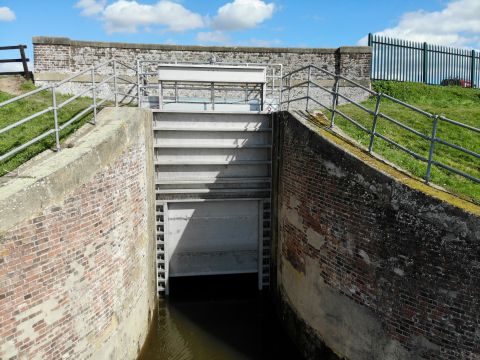
The completed scheme included the full replacement of the tidal sluice doors, sills and seals to ensure the continued reliable operation of the outfall. In addition, the previous water retention penstock was replaced with a new full-height emergency penstock capable of isolating the outfall in the unlikely event of door failure or blockage. This provides an important additional layer of protection during extreme tidal conditions, where spring tides can reach levels of 5–6 metres.
The scheme was designed by Stantec UK Ltd, with construction works delivered by Martin Childs Limited. The WMA Project Delivery team oversaw the works, ensuring the scheme was delivered efficiently, on time and within budget.
Benefits
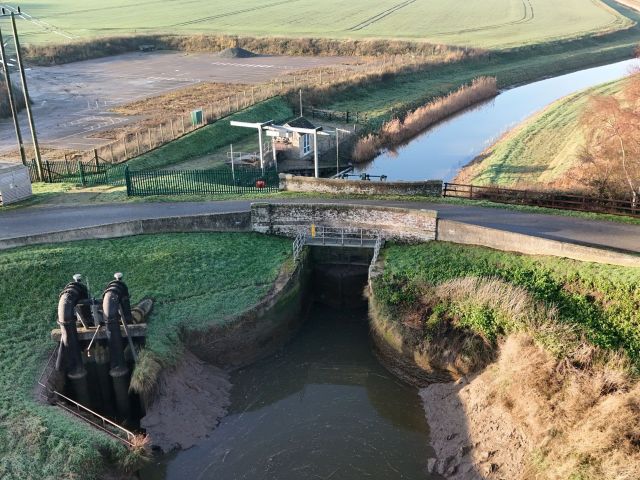
The upgraded tidal outfall now provides enhanced flood protection for the upstream fen and surrounding area, reducing the risk of tidal flooding during extreme conditions and improving resilience against increasing tidal and climate pressures.
The new tidal doors continue to regulate water levels effectively by allowing water to discharge from the drainage catchment into the River Great Ouse during suitable tidal conditions. This natural discharge process reduces reliance on pumping, helping to lower operational costs while maintaining effective water level management.
Overall, the improvements strengthen the long-term reliability of the system, helping to protect homes, agricultural land, pumping infrastructure and valuable environmental habitats across the catchment.
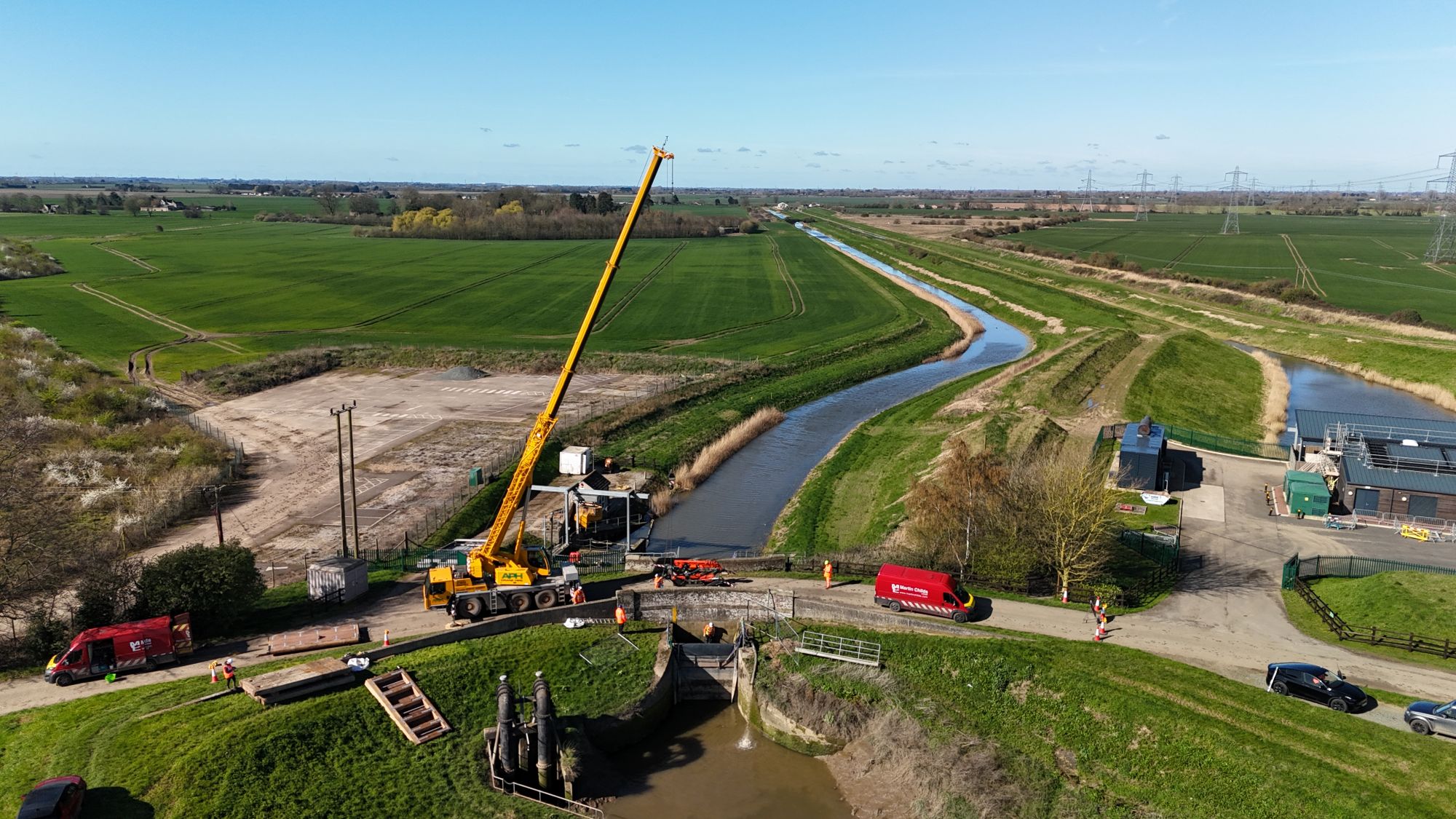

A subtitled timeline video showcasing the Eau Brink Outfall Upgrade Project
Project Photo Gallery