
Need help finding something?
Waveney, Lower Yare & Lothingland IDB
Our Area
The Board’s Area, it’s Catchments & Watercourses
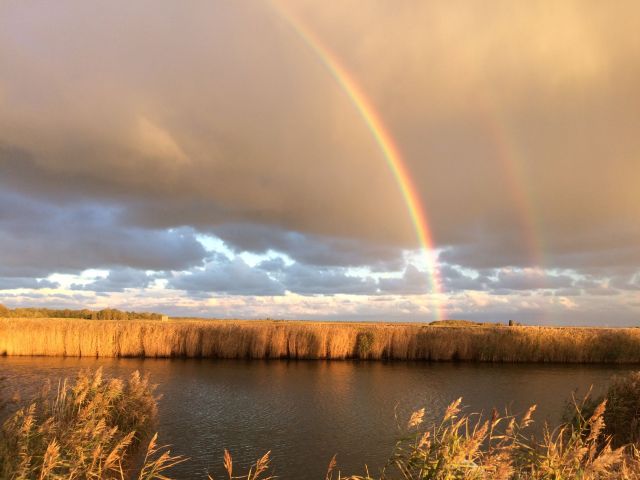
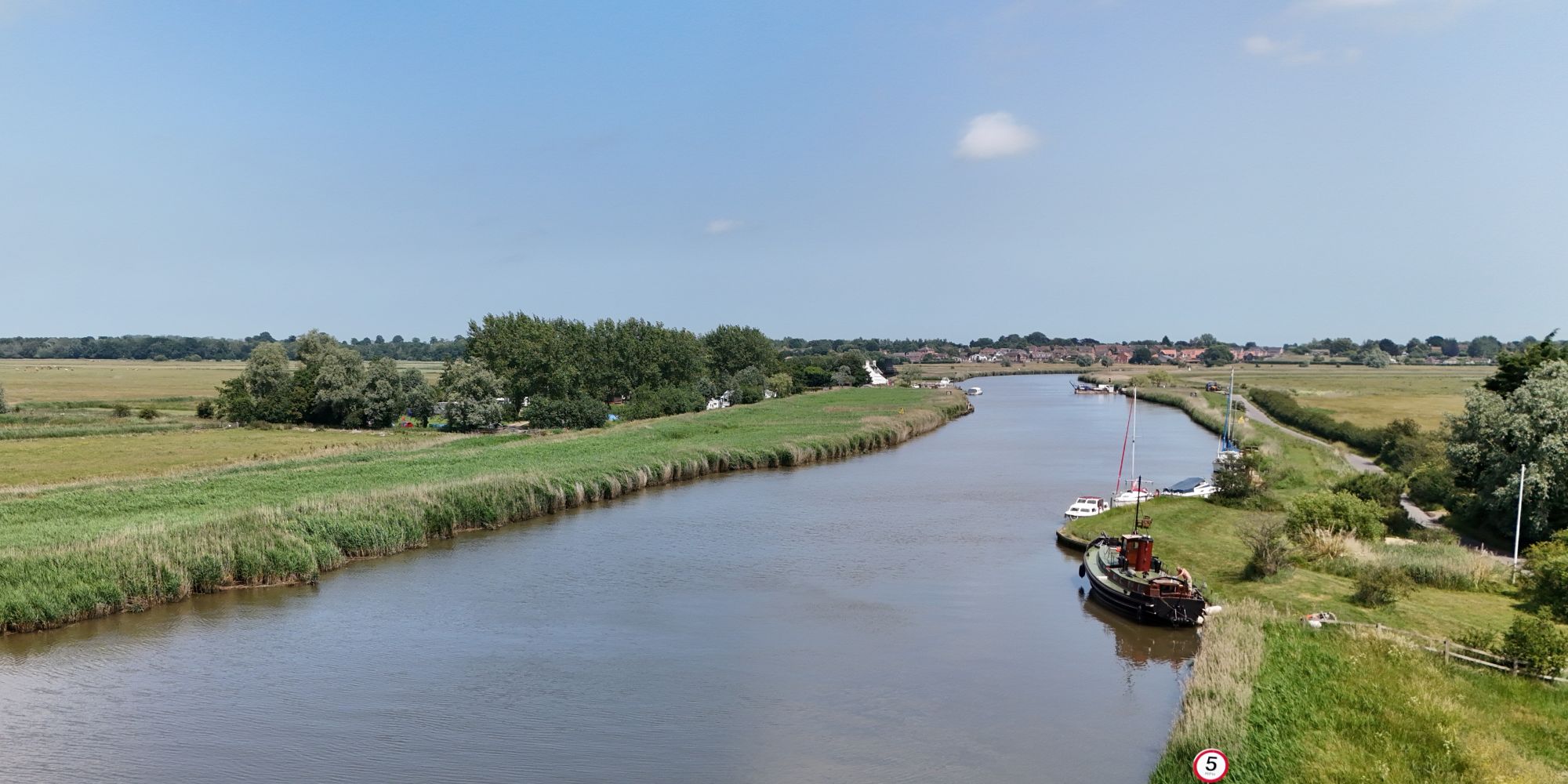
The Board’s Area includes some of the most important environmental assets and wonderful habitat in the world and some of the finest grazing land in the country. The area is home to around 15,000 people, a thriving local economy and a hugely popular tourist destination that attracts visitors from around the globe. The area is both locally and internationally important and worth the cost of defending and protecting, now and in future.
Although the entire area is at considerable theoretical risk of river flooding and inundation from the sea, the actual risk is substantially reduced by the work that we do in partnership with the Environment Agency, Anglian Water, Natural England and Local Risk Management Authorities.
The Board’s Drainage District does not extend to its full Watershed catchment area, which means that we find it more difficult to control development and flows coming into the District than we would do if we had some influence in the upper reaches of our catchment. The Board’s boundary is based on the principles of the Medway Letter established in 1933, which in our view needs to be changed so that we have the opportunity to provide an even better service.
| Watershed Catchment Area draining to and including the District (hectares) | 113,297 |
| Drainage District Map – Area of Drainage District (hectares) | 15,109 |
| Area of Agricultural Land, including designated wildlife sites (hectares) | 12,758 |
| Area of Residential/Industrial and other Property (hectares) | 2.350 |
| Designated Wildlife Sites (hectares) | 620 |
Board’s Infrastructure
| Number of Pumping Stations | 19 |
| Number of First and Second Line Sluices | 0 |
| Number of Other Water Level Control Structures | 59 |
| Length of Watercourse (kilometres) * | 434 |
| High Priority Watercourses, as defined by the Board (kilometres) * | TBC |
| Raised Embankments (kilometres) | 0 |
Environment Agency Infrastructure
| Main River (tidal and fluvial) (kilometres) | 121 |
| River Raised Embankments (kilometres) | 164 |
| Sea and Tidal Defences (kilometres) | 85 |
Policy
Visit our Policy Page to read guidance on the Adoption and Abandonment of Watercourses and explore our Asset Prioritisation Criteria.