
Need help finding something?
Environment - Species & Habitat Management
Dissolved Oxygen (DO) Monitoring
What is it?
Dissolved oxygen (DO) is the amount of oxygen that is dissolved within the water column. The level of dissolved oxygen within a watercourse is vital for aquatic life as this is what is used for respiration, so fish, invertebrates, plants, and microorganisms depend on this for survival. Oxygen is mostly absorbed into the water from the atmosphere and rapidly moving water (such as streams and rivers) has higher DO concentrations, whereas slower moving or stagnant water (such as drains and ponds) has lower DO levels. Temperature also impacts on dissolved oxygen – in summer months, higher temperatures as well as lower flows and longer daylight hours, mean there are prolonged periods of biological activity which causes the concentration to deplete.
Why we do it
Water quality is a measure of the condition of a waterbody in relation to the needs of the organisms living in the water that depend on it for survival. Dissolved oxygen is one of the most important indicators of water quality due to aquatic life’s reliance on it for respiration. A good dissolved oxygen level is important for healthy freshwater ecosystems because low DO levels can be stressful or deadly to aquatic life. Fish mortality is dependent on how low DO can drop, how long it stays low, and how large of an area is impacted.
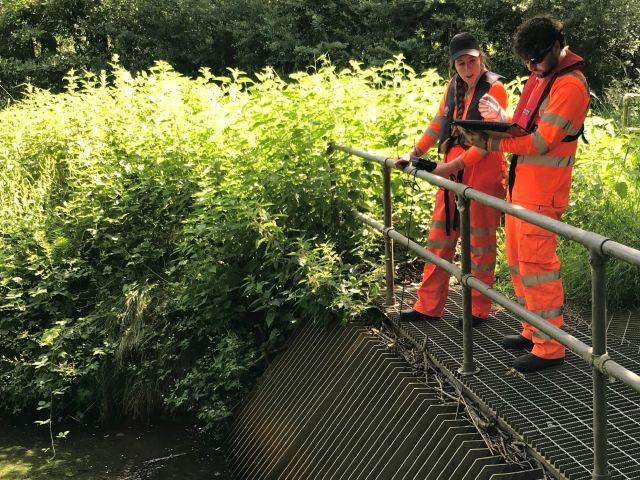
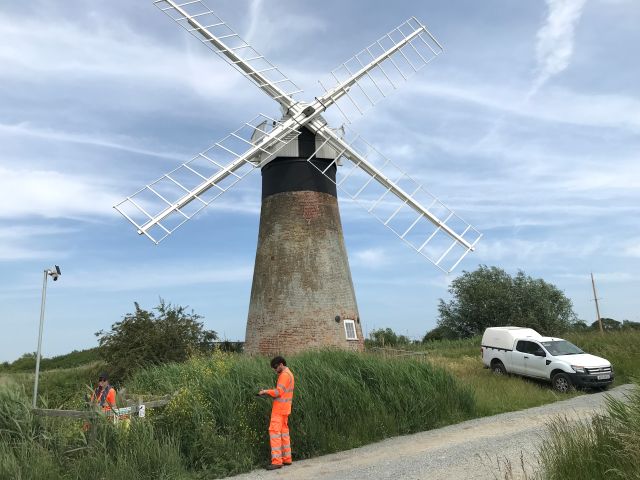
The Broads (2006) Internal Drainage Board and the Environment Agency formed a partnership to monitor the dissolved oxygen levels in the IDB drains at pumping stations before the water is pumped into the main river systems. The aim of the project is to maintain DO levels in the main rivers at or around 70% which is the Water Framework Directive standard for dissolved oxygen and the target for which all river types need to meet High classification.
Consequently, regular checks are completed in the summer months when temperatures are higher and water levels lower so that irregular concentrations can be managed as needed.
How we measure it
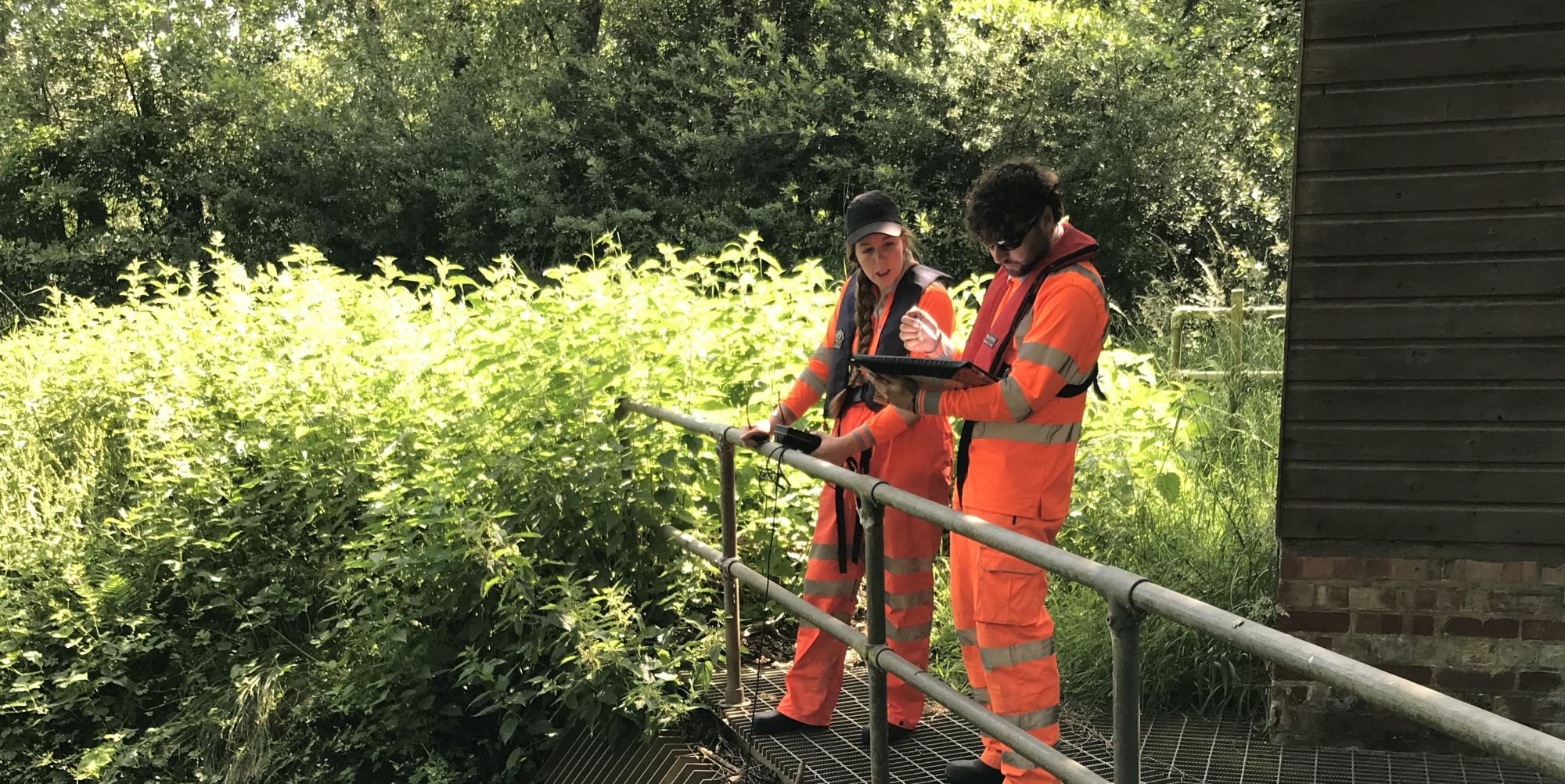
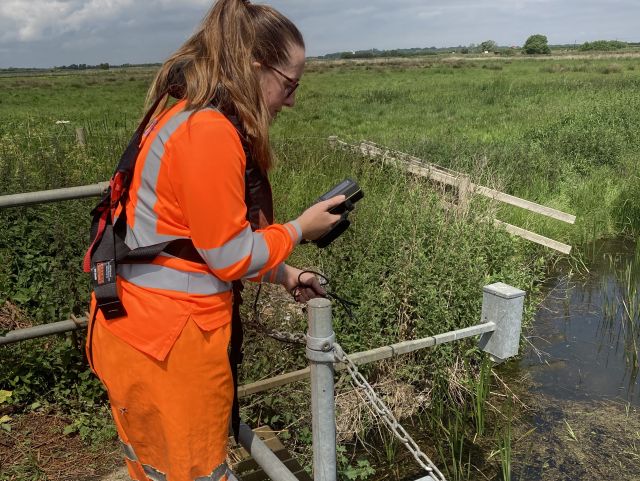
Dissolved oxygen is measured in either ppm, mg/l, or as a percentage of a calibrated concentration of dissolved oxygen. This is done using a monitor which is an instrument consisting of a probe or sensor that is placed into the watercourse and is connected to a display unit which shows the readings. This also measures the salinity of the water which is expected be inversely proportional to the DO concentration due to space in the water molecule.
Findings are then reported to the Environment Agency if they are found to be under 20% or over 120% dissolved oxygen concentration. If emergency situations are seen during monitoring, such as fish struggling to breathe or lots of dead fish, then the Broads IDB Operations Team and the Environment Agency are called immediately so that water aeration or fish rescues can be conducted.