Need help finding something?
Environment - Species Management
Invasive Species Management
What are invasive non-native species?
Non-native species are plants and animals that have been introduced outside their natural range, either deliberately or accidentally. Many non-native species cause no problems, but some can spread rapidly and have a harmful impact on native wildlife, habitats, people or infrastructure. These are known as invasive non-native species (INNS).
In the UK, INNS have been introduced in a variety of ways, including through the horticultural and pet trades, shipping and other human activities. Once established, some can spread quickly through waterways and across the wider landscape.
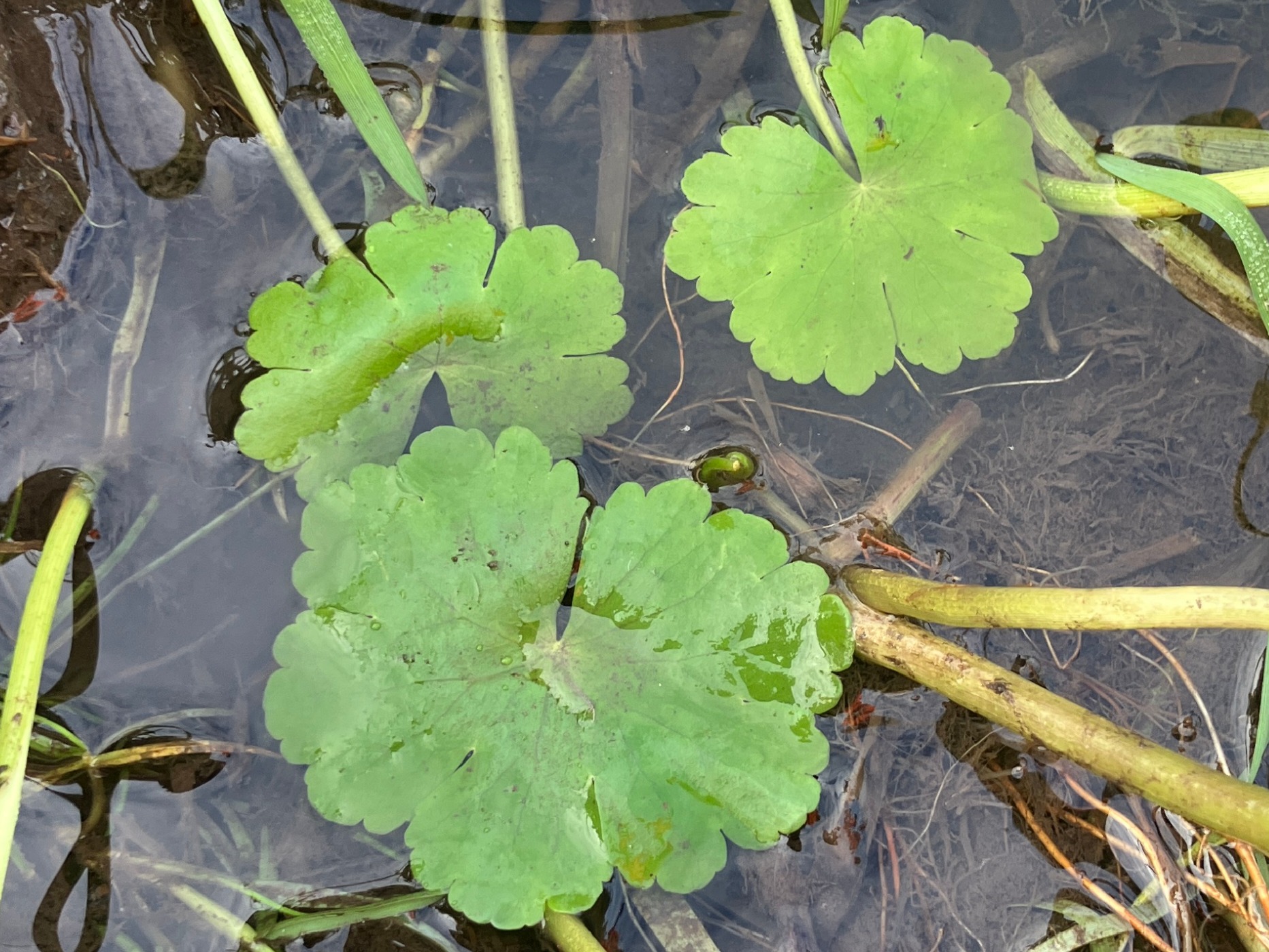
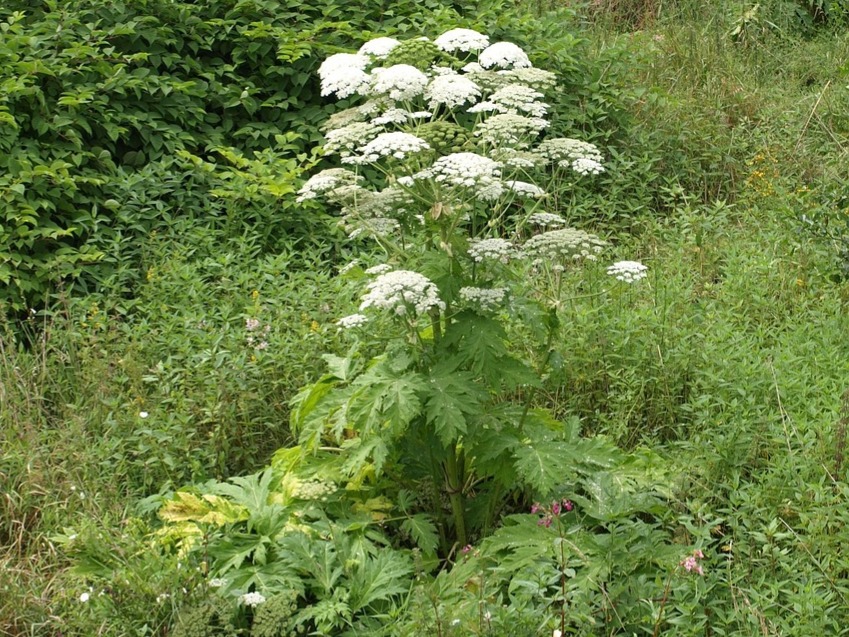
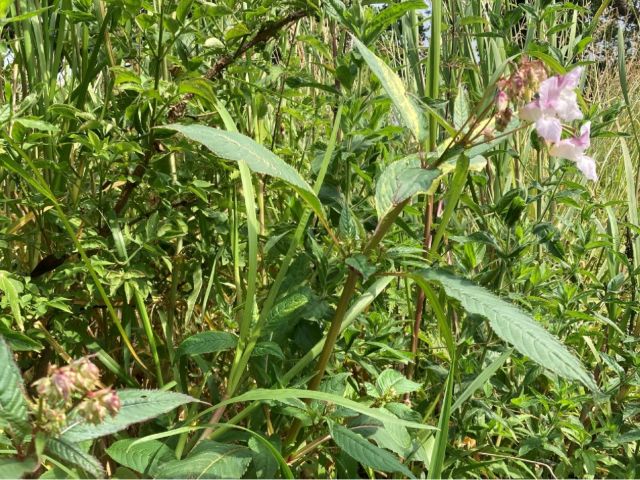
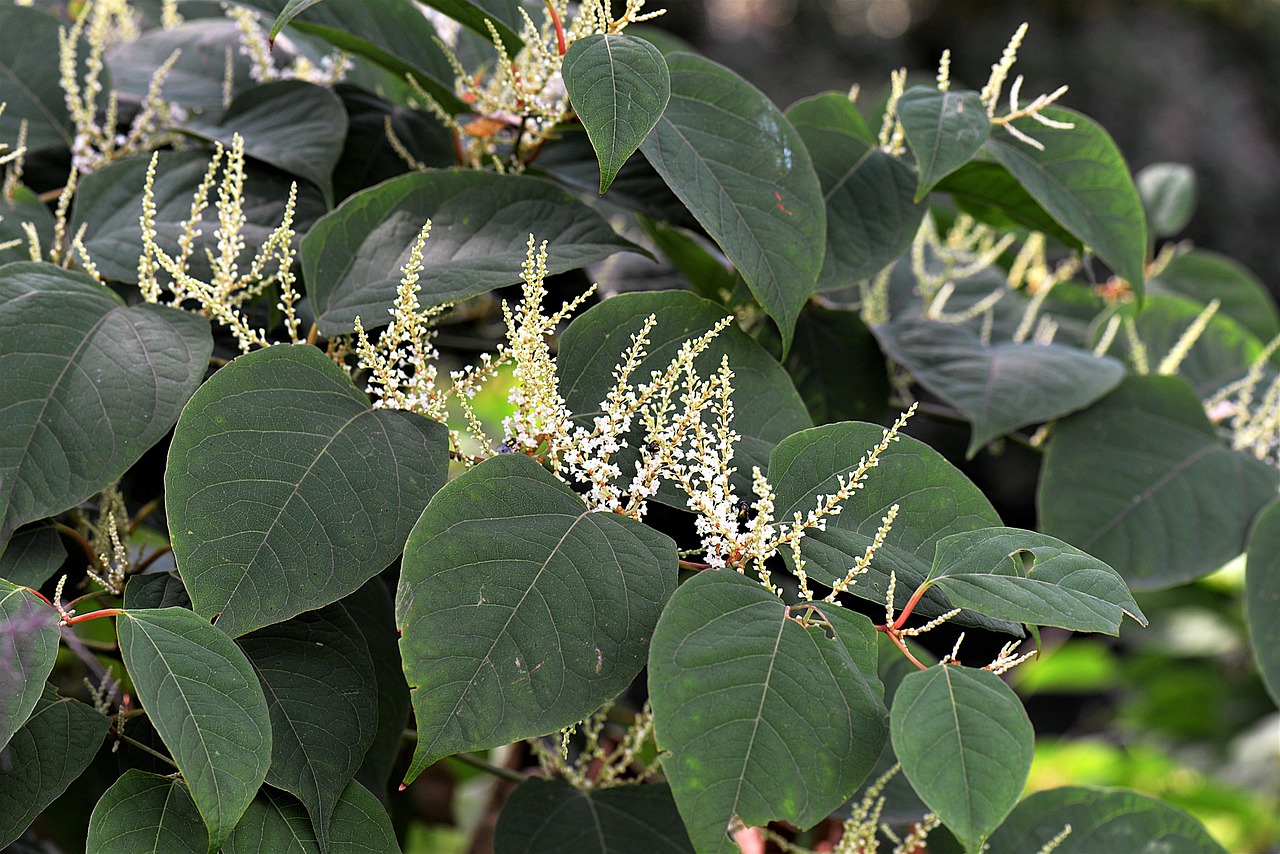
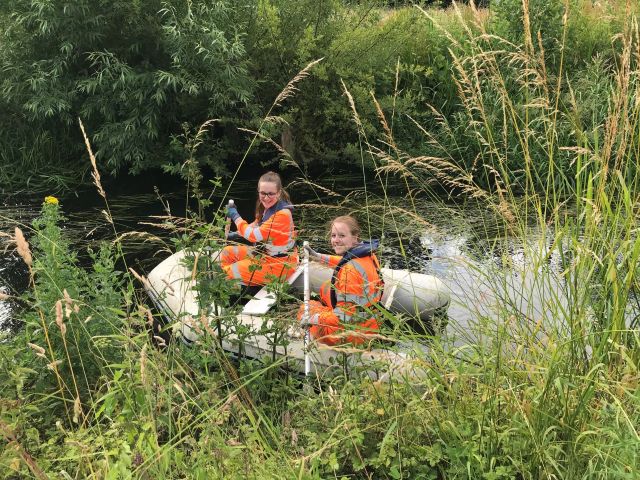
Examples found in the areas managed by WMA’s member Boards include Giant Hogweed, Himalayan Balsam, Japanese Knotweed, Floating Pennywort, American Signal Crayfish and Chinese Mitten Crab.
Why are invasive species a concern?
Invasive species can affect both the natural environment and the way our waterways and land are managed.
They can:
- out-compete native plants and reduce biodiversity
- alter habitats and affect native wildlife
- block or restrict watercourses, affecting drainage and flood risk management
- damage or weaken riverbanks and other infrastructure
- increase erosion and siltation
- create risks to people, such as the skin burns caused by Giant Hogweed
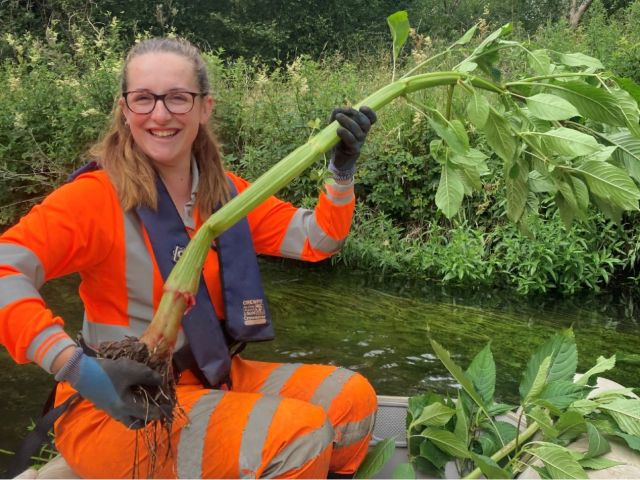
For example, Floating Pennywort can form dense mats across the surface of water, restricting flow and making waterways difficult to access. Chinese Mitten Crabs and American Signal Crayfish can damage riverbanks through burrowing, while Japanese Knotweed can cause damage around buildings and hard surfaces.
The impacts of invasive species are estimated to cost the UK economy around £1.9 billion each year and they are recognised as a significant threat to biodiversity.
The role of IDBs in invasive species management
Internal Drainage Boards (IDBs) within the WMA play an important role in identifying and managing invasive species, particularly where they could affect watercourses, drainage infrastructure or flood risk management.
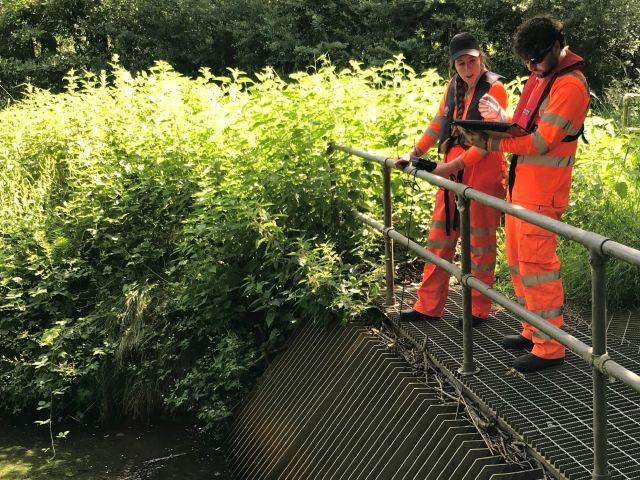
Early identification and reporting are important. Finding an invasive species before it becomes widespread can make it much easier to manage and reduce the risk of it spreading to other areas.
Our operational teams receive training to help identify invasive species and sightings are recorded so that appropriate management can be planned. Depending on the species and location, this may include hand-pulling, mechanical removal, targeted herbicide treatment or a combination of methods.
For some species, complete eradication is not practical once they are well established. In these cases, management focuses on controlling their spread and reducing their impact.
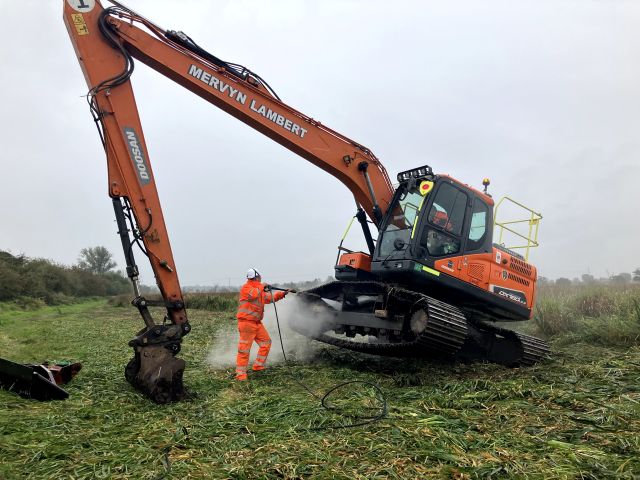
WMA also follows a Biosecurity Policy, with staff using the GB Non-Native Species Secretariat’s Check, Clean, Dry approach to reduce the risk of spreading invasive species between watercourses and work sites.
Partnership working
Managing invasive species often requires cooperation between landowners, local authorities, environmental organisations and water management organisations.
The Norfolk IDBs have been partners in the Norfolk Non-Native Species Initiative (NNNSI), managed by Norfolk County Council, since the mid-2000s. The partnership supports coordinated action, helping organisations identify problems, find appropriate solutions and access funding where available.
In Pevensey and Cuckmere, WMA’s member Board has also used biological control to help manage Floating Pennywort. This involves using an approved natural control agent, such as a weevil, to reduce the plant’s growth.