Need help finding something?
PROJECTS
Drockmill Pumping Station Project

Services
Drainage & Watercourse Maintenance
Mechanical & Electrical Engineering
Civil Engineering


Partners
Civils – Breheny Civil Engineering
Stantec – Design
ACE – Supply of fish friendly screw pumps
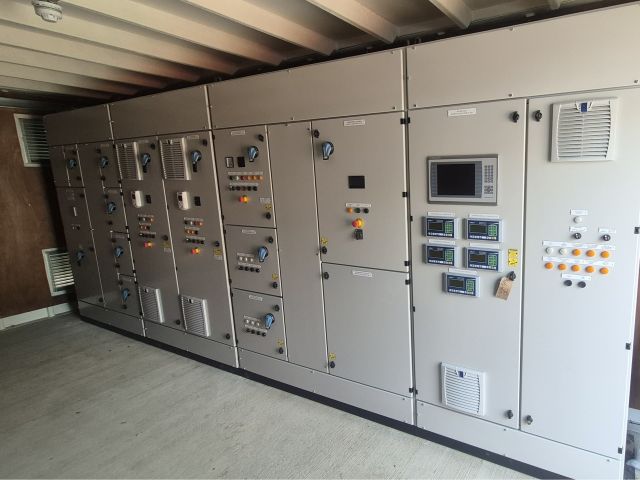
Paktronic – Electrical Engineering

Start & Completion
Autumn 2025 – Spring 2026
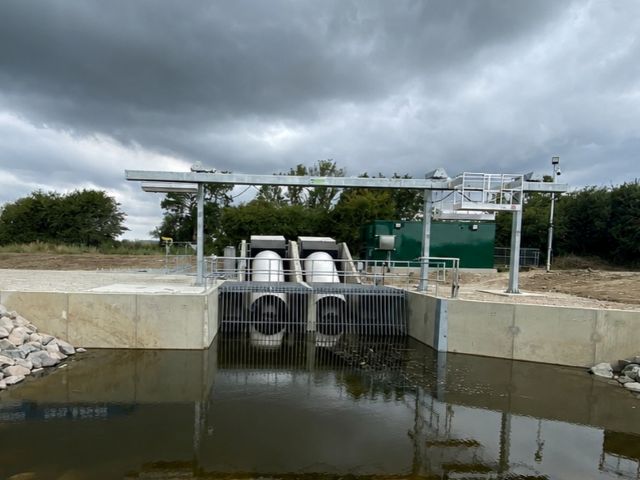
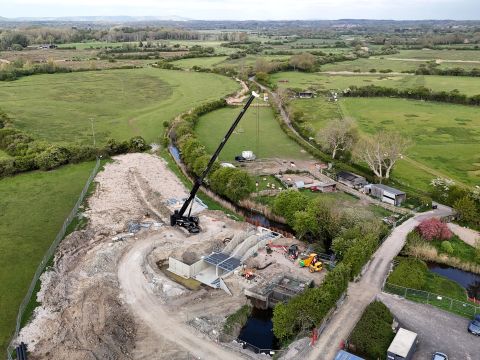
Located within the Pevensey Levels SSSI (Site of Special Scientific Interest), the Drockmill Pumping Station Project forms part of our wider commitment to managing water levels in a way that protects both communities and the natural environment.
The project brought together expertise from several organisations and was funded through the IDB Storm Recovery & Asset Improvement Grant Scheme. By working collaboratively, we have built on proven approaches from previous pumping station projects while delivering a solution tailored to the needs of the local area.
Project Overview
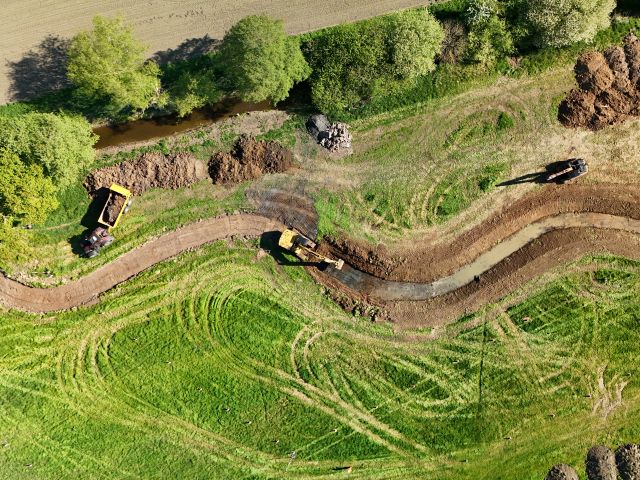
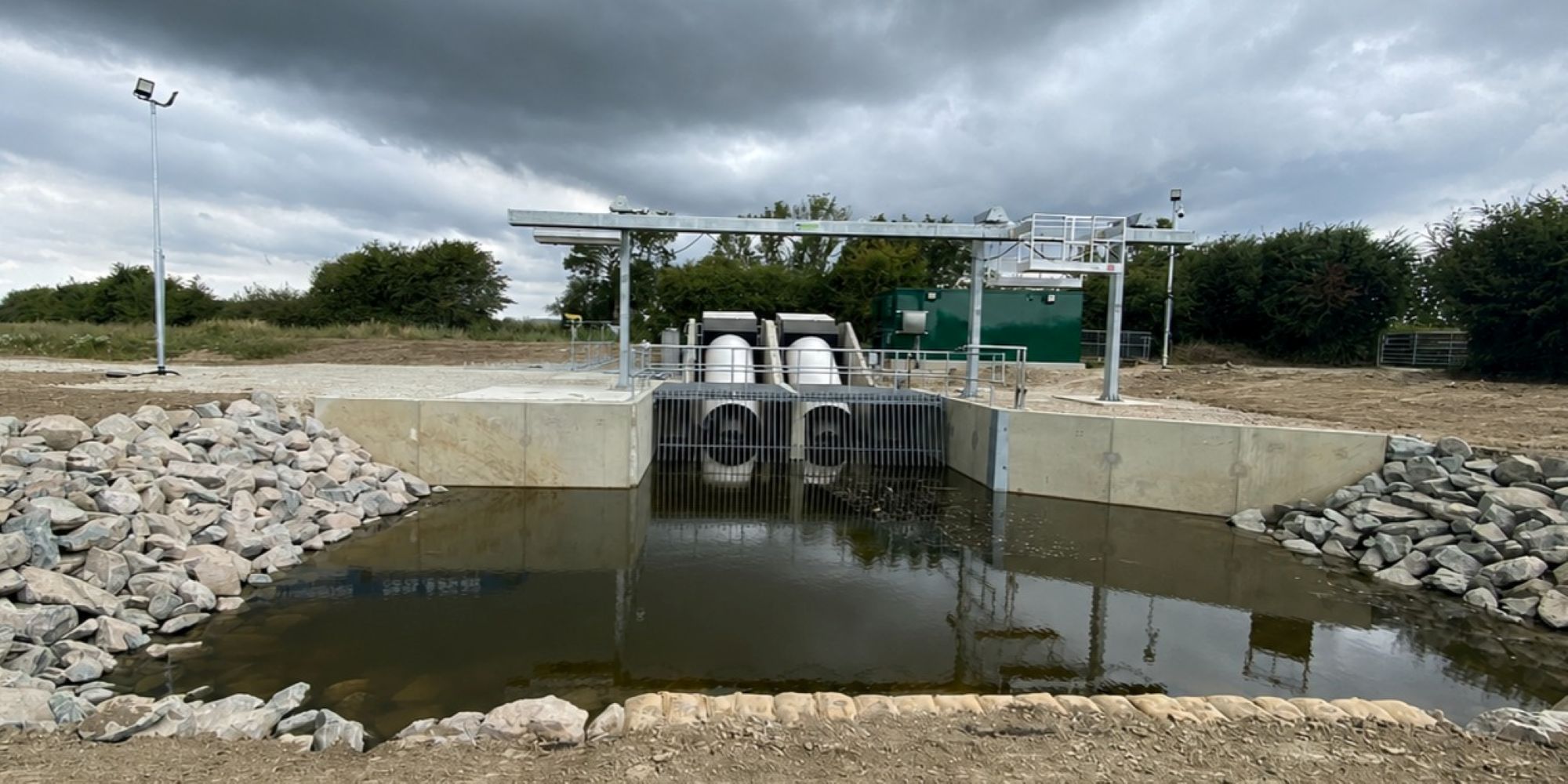
The project has involved the construction of a new pumping station at Drockmill Hill Gut, where it meets the Glynleigh Main River, north of Polegate and Stone Cross.
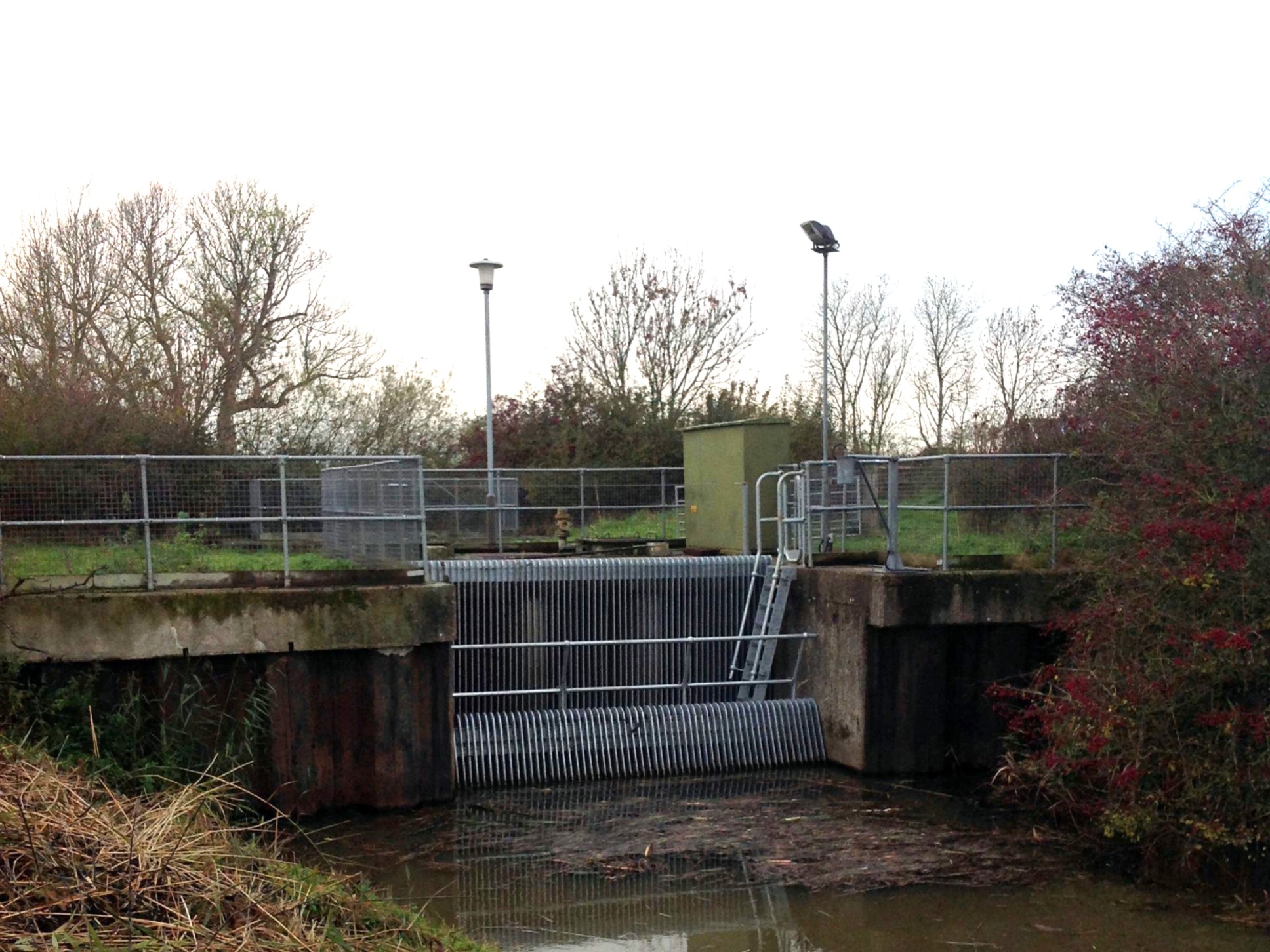
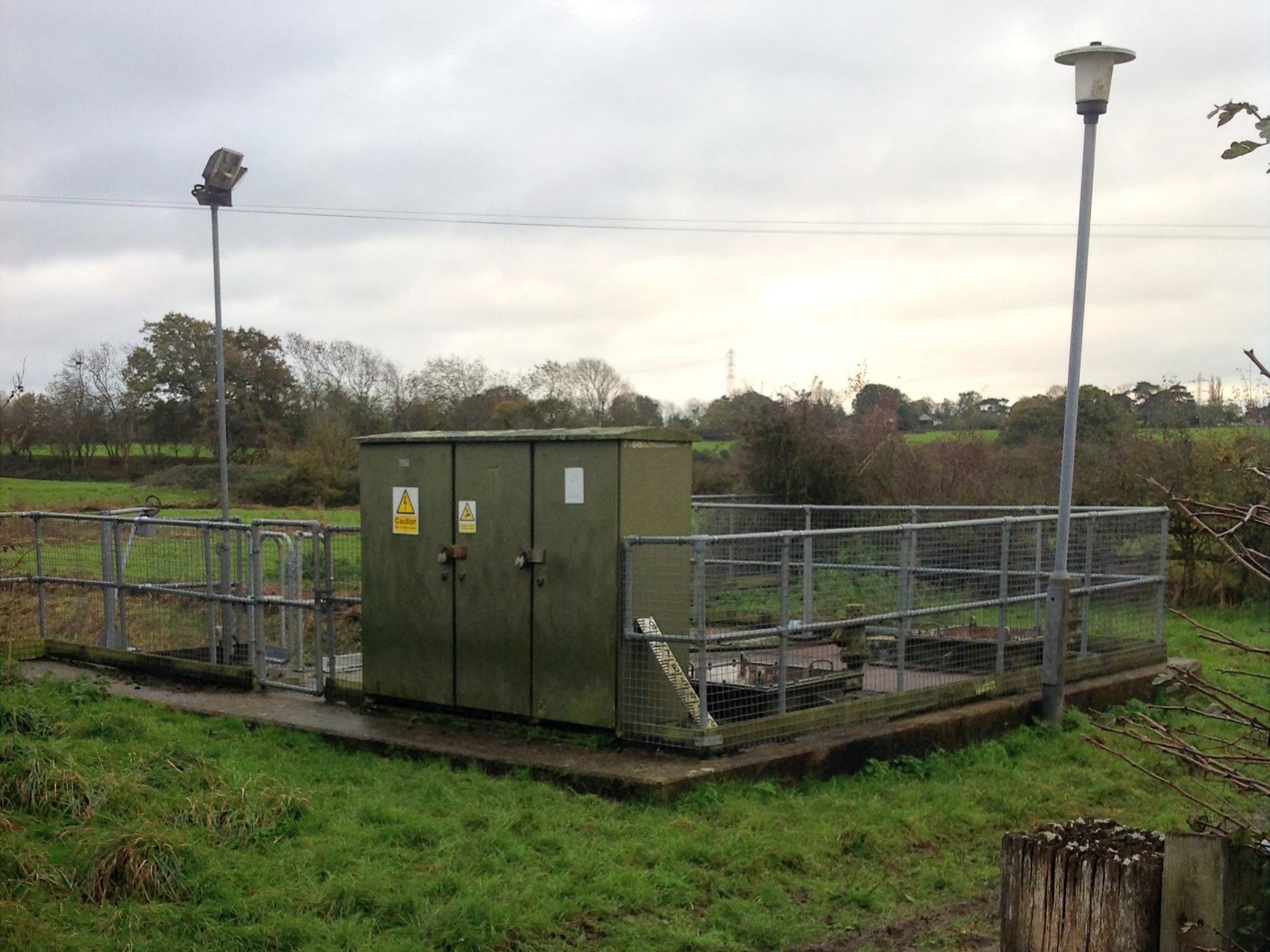
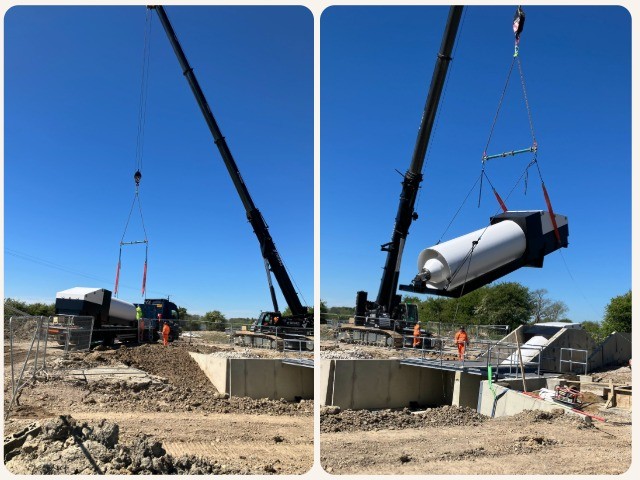
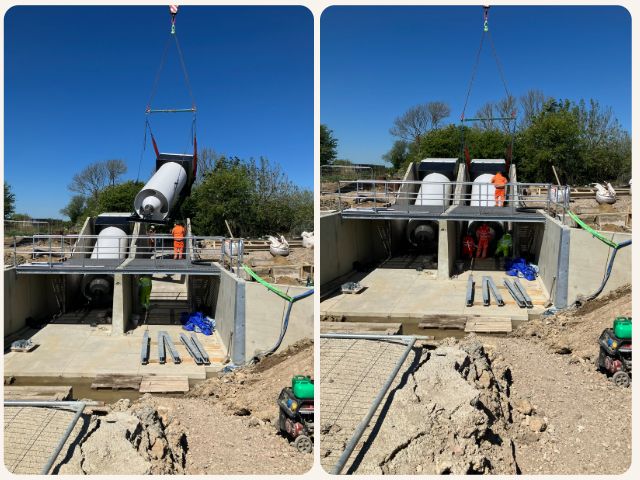
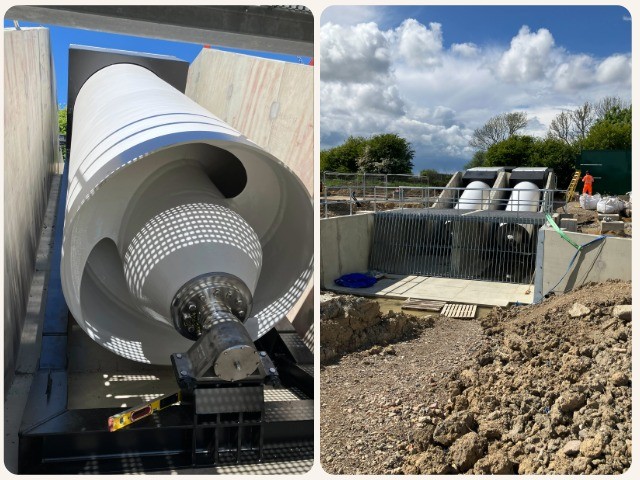
The existing pumping station had reached the end of its design life and presented health and safety challenges. The replacement provides a modern, efficient and resilient facility, equipped with two fish-friendly Archimedes Screw pumps that improve water level management while supporting the local environment.
To reduce construction time, minimise disruption and improve value for money, the project incorporated proven methods used successfully at Harty and Leysdown pumping stations, including the use of pre-cast concrete elements that significantly reduced the amount of work required on site.
Benefits
The new Drockmill Pumping Station delivers long-term benefits for both people and nature.
Improved water level management helps reduce flood risk to homes, businesses and agricultural land upstream, while the fish-friendly Archimedes Screw pumps and eel pass support the movement of protected fish species through the watercourse.
As the existing outfall at Pevensey is increasingly affected by sea levels even at low tide, creation of a new wetland area has also been enabled to the west of the pumping station in partnership with a local landowner. At certain water levels water is pumped into this wetland, reducing pressure on the Glynleigh Main River and creating valuable new wetland habitat.
Together, these improvements increase the resilience of the local drainage network, help communities adapt to the impacts of climate change, protect agricultural productivity and enhance biodiversity across the Pevensey Levels.
Project Gallery