
March – Funding Secured.
April-June – Topographical surveys (April) and ground investigation (June) completed.
August – Award contract for pumps and weed screen system.
December – Obtain permissions and consents.

PROJECTS

Civil Engineering

Jacobs UK Ltd (design and environmental support)

April 2025 – May 2029
Mautby pumping station manages water levels within 1,117 hectares of low-lying land which forms part of the Norfolk and Suffolk Broads National Park.
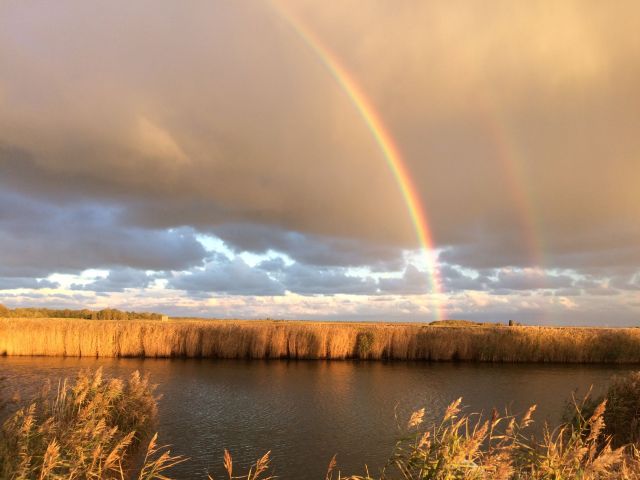
The Broads are the United Kingdom’s largest protected wetland, renowned for its biodiversity and home to more than a quarter of the UK’s rarest flora and fauna.
Excess water from the low-lying land is pumped over the Environment Agency earth flood embankment into the River Bure.
The river is perched above the surrounding floodplain and pumping is the only means to manage water levels within the catchment.
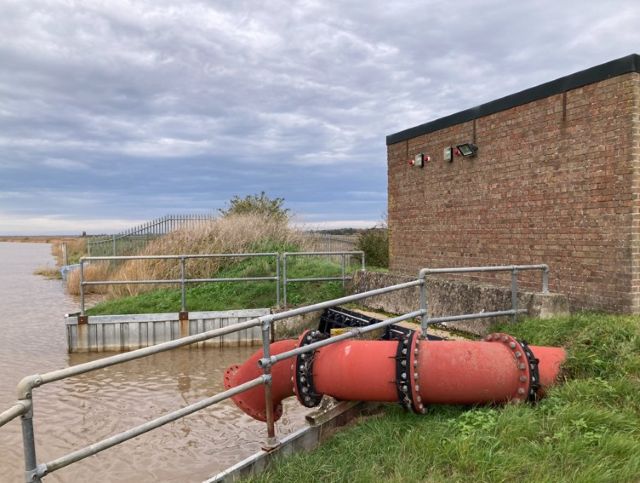
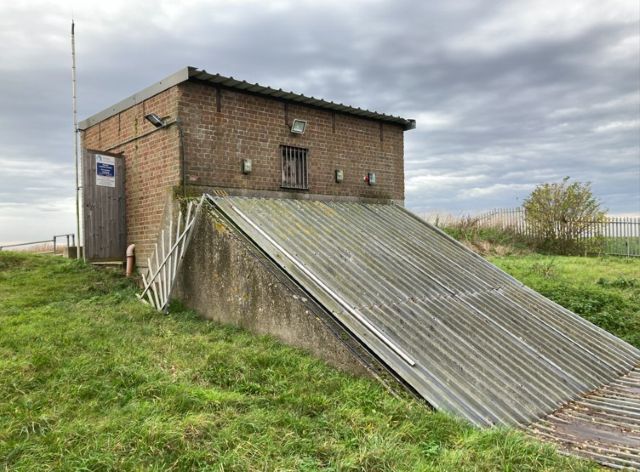
Mautby Pumping Station has provided many decades of continuous service. It has exceeded its design life and is in an advanced state of deterioration. It is not possible to refurbish the station and a new replacement station is being constructed to the west of the existing station.
The replacement station will feature three suspended bowl mixed flow pumps offering significant increases in efficiency over the current open trough Archimedes screw pumps and submersible pump. Climate resilience is improved with a 50% increase in duty capacity to account for climate change predictions for intense rainfall events.
Construction is expected to begin in 2028.
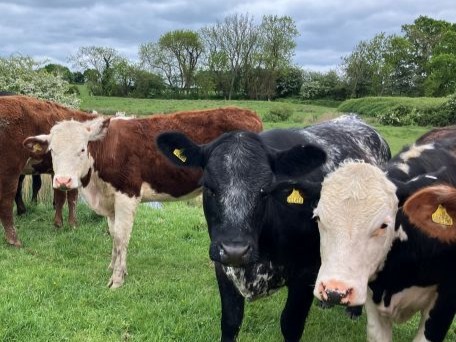
The Mautby pumping station delivers multiple benefits:
March – Funding Secured.
April-June – Topographical surveys (April) and ground investigation (June) completed.
August – Award contract for pumps and weed screen system.
December – Obtain permissions and consents.
January – September – Obtain permissions and consents. Procure construction works.
September – Construction contract awarded.
February – Commence ecological mitigation works
Spring / Summer – start construction works.
Winter – Commissioning of pumping station and decommissioning of existing station.