
Need help finding something?
PROJECTS
Panford and Blackwater Catchment Regeneration Project

Services
Natural Flood Management
Partnership Working


Partners
Landowner
Designer: Charles Rangeley-Wilson
Funding: Water Restoration Fund, issued & administered by the Rural Payments Agency

Start & Completion
Spring 2026 – Ongoing
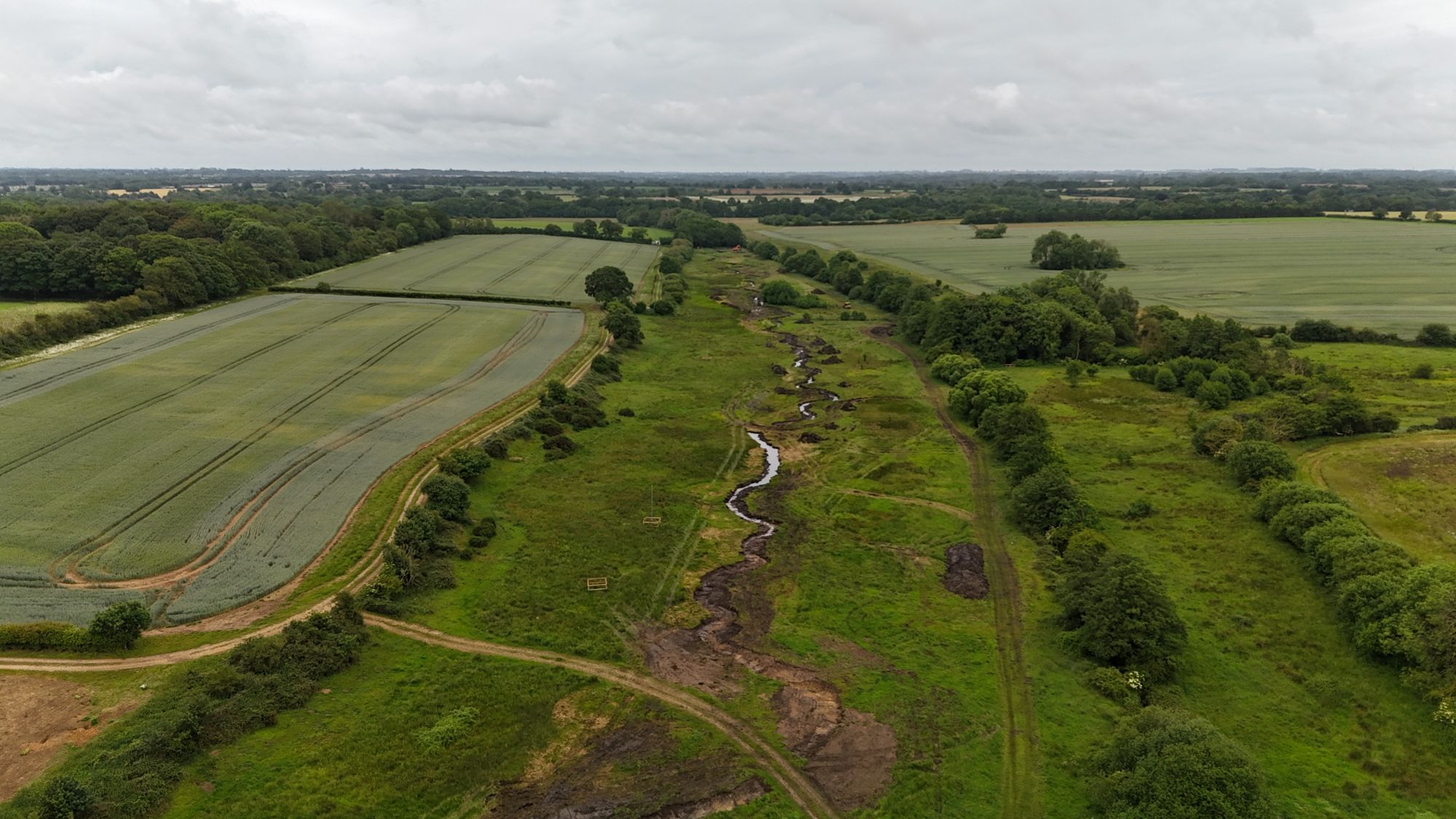
Restoring and enhancing the Panford Beck and Blackwater Channels near North Elmham
Norfolk Rivers Internal Drainage Board (IDB) is delivering the Panford & Blackwater Catchment Regeneration Project in partnership with the landowner.
The river restoration project is taking place between spring 2026 and spring 2028 and is designed to improve the natural function of the river and floodplain, while creating, enhancing and reconnecting valuable habitats for wildlife.
Supporting nature
The Panford Beck and Blackwater Channels are already home to a rich variety of wildlife. The restoration will improve and reconnect habitats across the floodplain and upstream of the River Wensum Site of Special Scientific Interest (SSSI) and Special Area of Conservation (SAC).
The project will benefit a diverse mix of habitats, including:
Wetlands • floodplain • ponds • ditches • rivers • woodland and scrub • hedgerows and tree lines
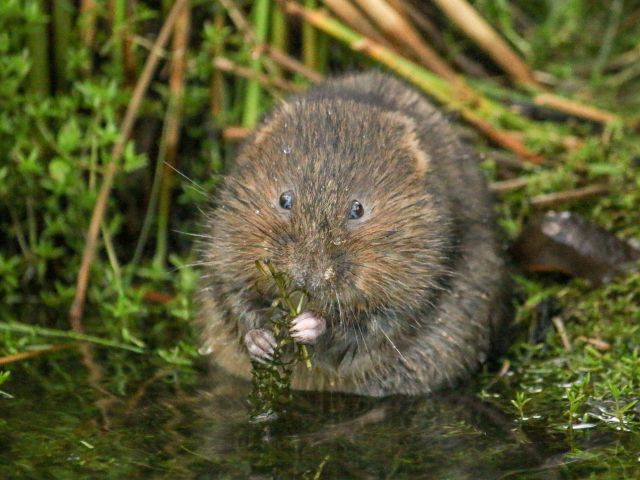
Improved river and wetland habitats will support species including:
Water voles • otters • brook lamprey • brown trout • bullhead • common toads • grass snakes • common lizards • bats • badgers
Protecting wildlife is an important part of the project. Works have been carefully planned and phased to protect sensitive species and maintain habitat throughout construction.
For example, an exclusion zone has been created around an active badger sett, licensed mitigation is being used for water voles, and works are being phased to allow brook lamprey to complete their life cycle.
Restoring the river
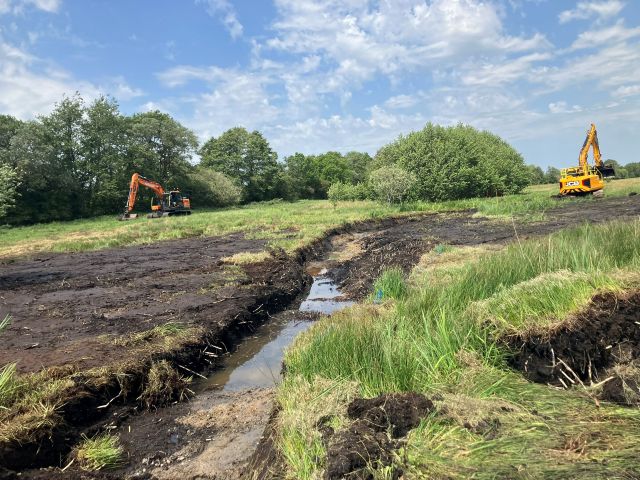
Norfolk Rivers IDB is using nature-based river restoration techniques to allow the watercourse greater freedom to behave naturally.
The works include:
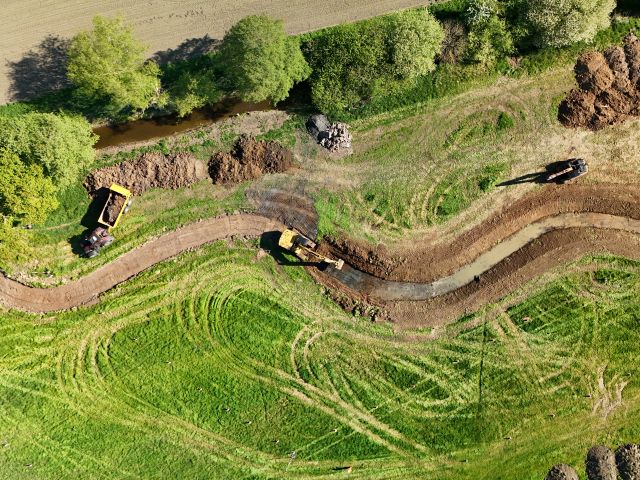
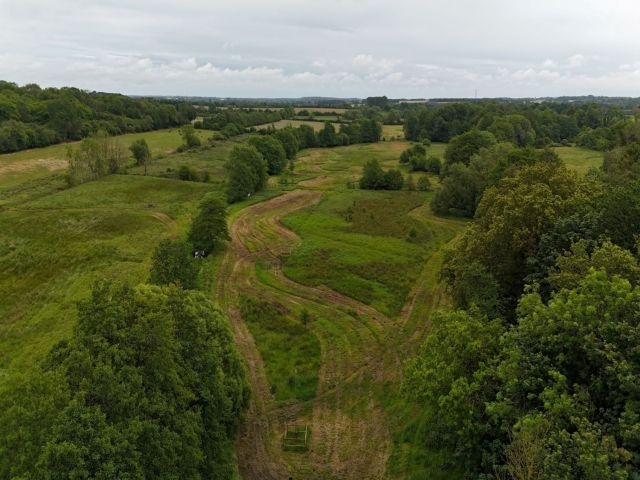
- Creating around 2km of new, meandering channel through the floodplain
- Raising the river bed and reprofiling sections of the banks along around 200m of existing channel
- Adding woody material to create natural features and river habitats
- Replacing an existing culvert to improve connectivity
- Reconnecting spring-fed tributaries to the river
- Allowing some sections of the river to find their own path naturally
The new channel has been designed by Charles Rangeley-Wilson and will mimic natural river features, including pools, glides, cliffs, berms and bars. These features will create a range of conditions for natural habitats to establish and allow plants and animals to thrive.
In parts of the woodland, the river will be encouraged to carve its own route rather than being excavated. This stage zero approach allows natural river processes to shape the channel and its surrounding floodplain over time.
Together, these measures will help restore natural river processes and improve connectivity between the river, floodplain and surrounding habitats.
A more natural river and floodplain
By giving the river more space and allowing natural processes to shape the watercourse, the project will create a more varied river and floodplain environment.
The new and restored habitats will provide opportunities for wildlife while helping to reconnect the river with the wider landscape.
The project demonstrates how river restoration can work alongside the water management responsibilities of Norfolk Rivers IDB, using nature-based approaches to improve the condition and resilience of the wider catchment.
Project Photos
April 2026 - The Blackwater Channel nesting bird mitigation cut
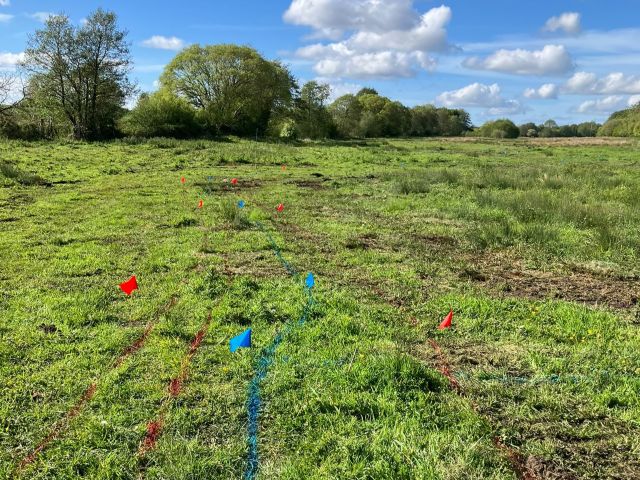
April 2026 - Marking out the new meandering channel path for the Panford Beck
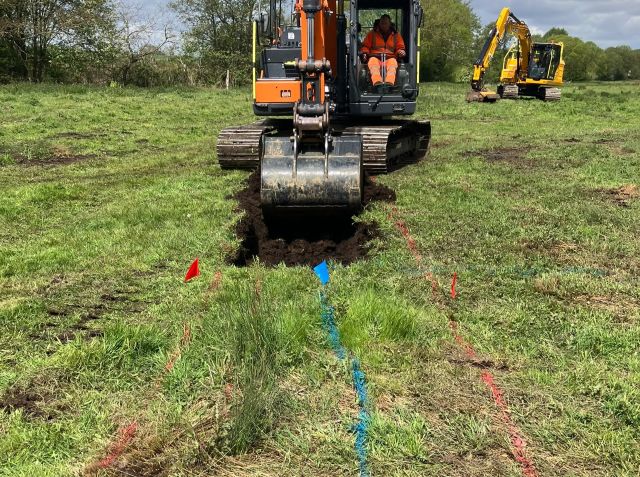
May 2026 - Initial excavation of new meandering channel for the Panford Beck
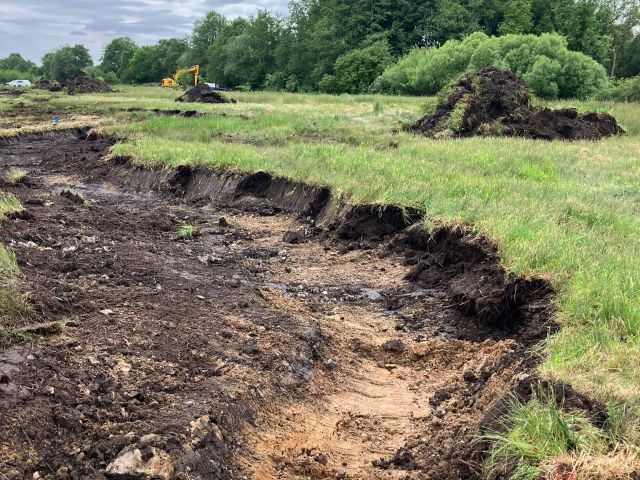
May 2026 - New channel excavated down to natural gravels, with cliff and bar features created along it's banks (Panford Beck)
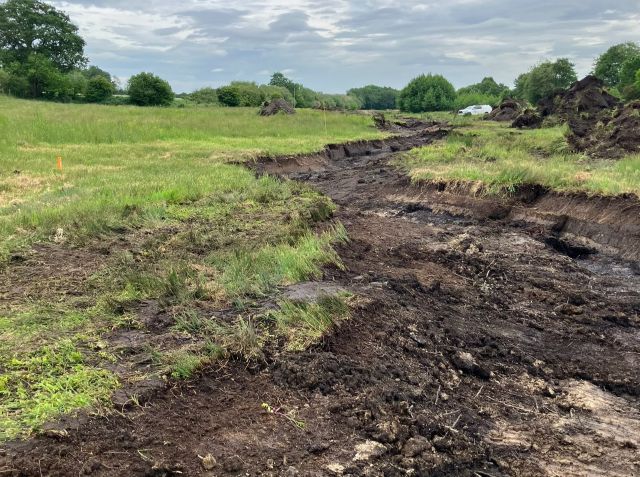
May 2026 - Continuation of new channel creation as works progress up stream (Panford Beck)
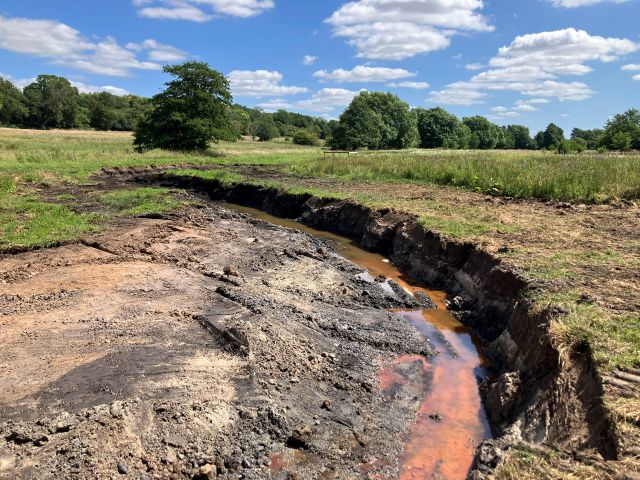
May 2026 - Continuation of new channel creation as works progress up stream (Panford Beck)
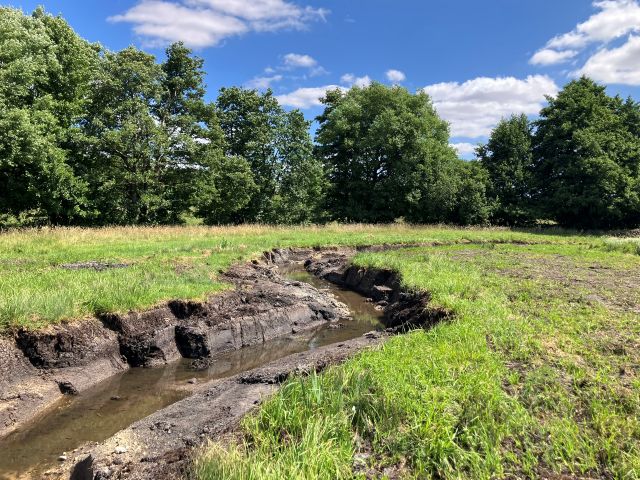
May 2026 - Continuation of new channel creation as works progress up stream (Panford Beck)
May 2026 - Continuation of new channel creation as works progress up stream (Panford Beck)
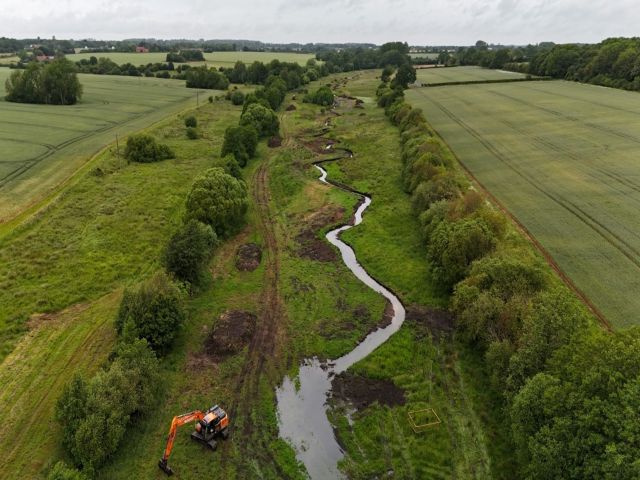
June 2026 - Areial image looking north along the new channel creation for Panford Beck
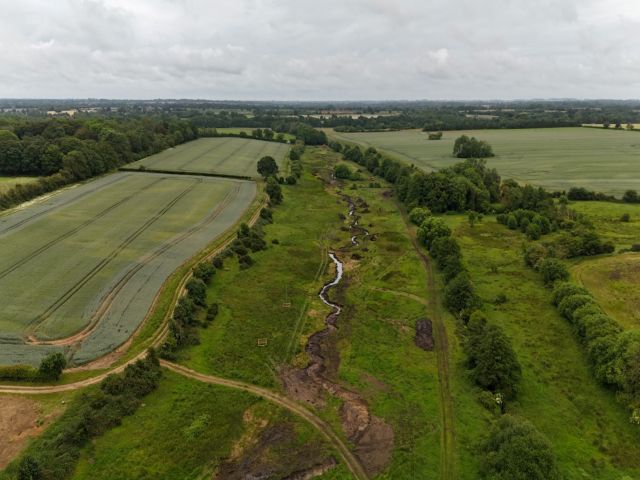
June 2026 - Areial image looking south along the new channel creation for Panford Beck
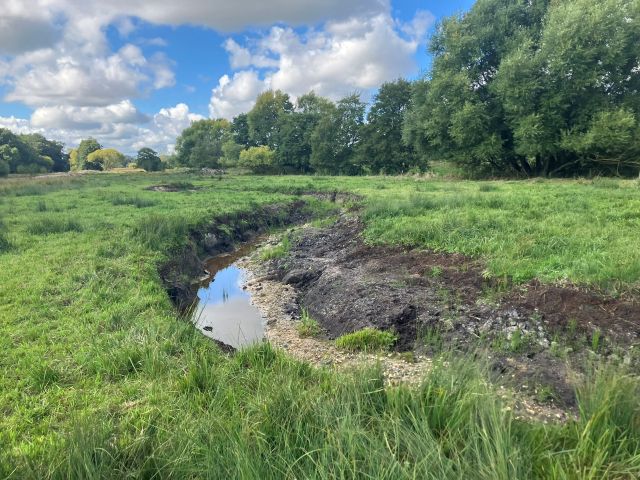
July 2026 - Vegitation establishment on the Blackwater Channel post creation and prior to flow connection