
Need help finding something?
PROJECTS
River Nar Restoration Project – Castle Acre Common

Services
Natural Flood Management
Partnership Working


Partners
Partners: Holkham, West Acre and Narford Estates, and the River Nar Restoration Group & Natural England
Designer: Charles Rangeley-Wilson
Funding: Water Environment Grant (WEG)

Start & Completion
2019 – 2021
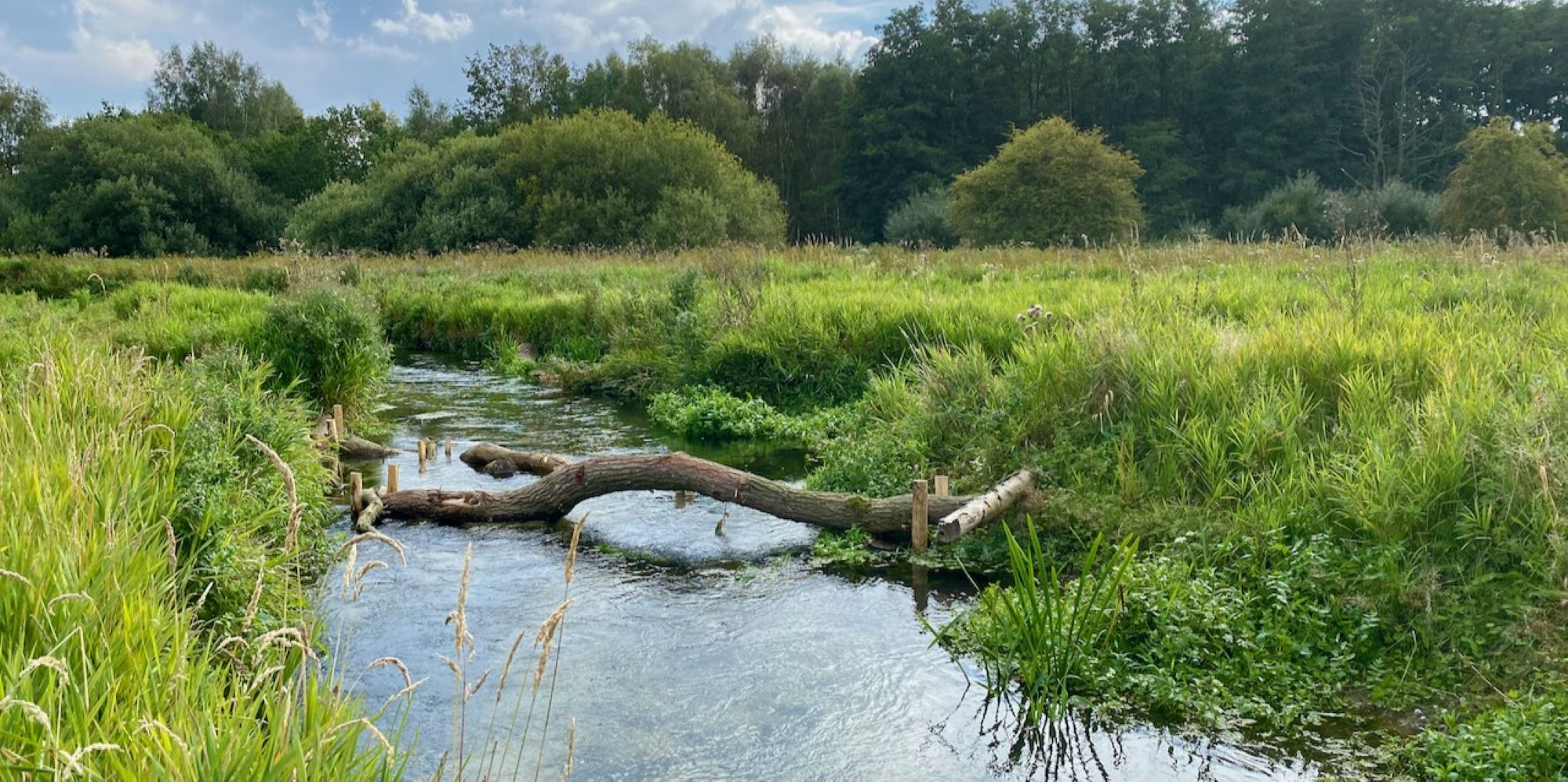
The River Nar at Castle Acre Common is a rare chalk stream and a designated Site of Special Scientific Interest (SSSI). Historically, the river was diverted towards the edge of its floodplain and raised above its natural level to create a head of water for a mill. This left the river disconnected from its floodplain, with slower flows and reduced habitat diversity.
The Castle Acre Common restoration project was undertaken between 2019 and 2021 to address these issues and restore more natural river and floodplain processes. Led by the Norfolk Rivers IDB in partnership with landowners and the River Nar Restoration Group, the project formed part of the wider restoration of the River Nar and was supported by Water Environment Grant funding.
What was delivered?
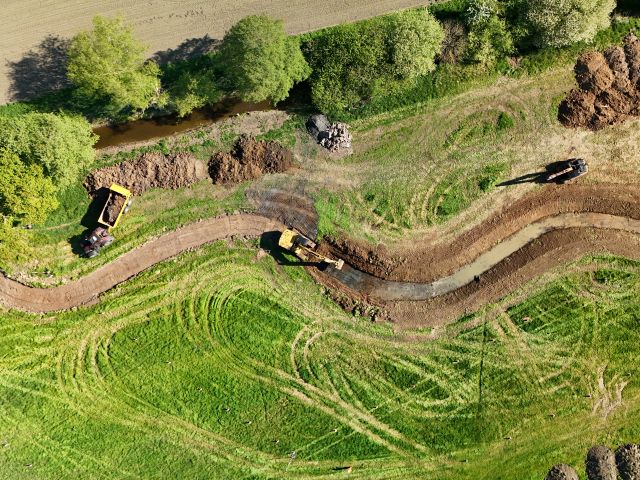
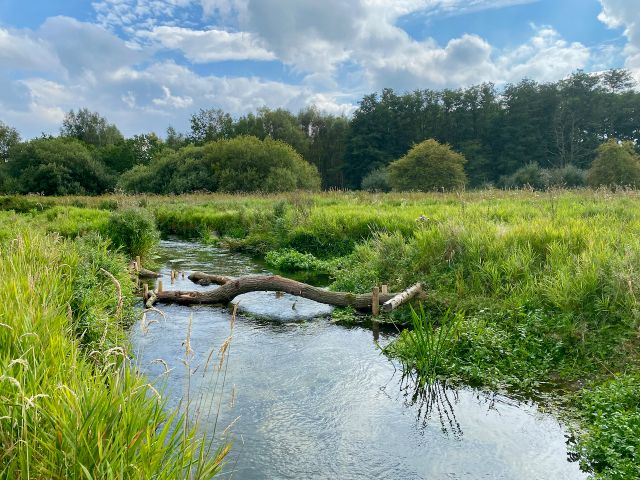
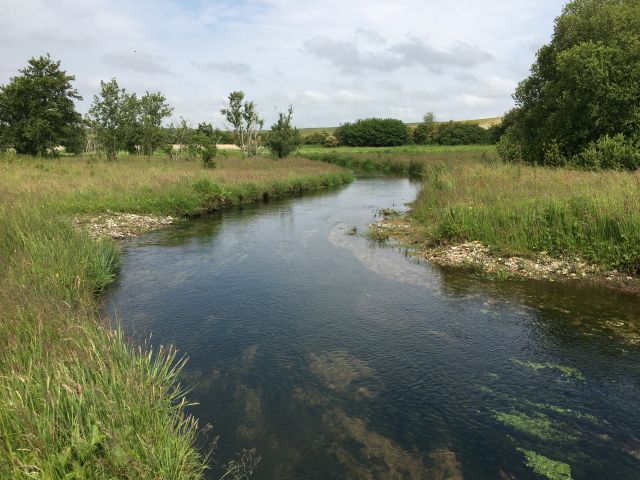
Approximately 2 kilometres of naturally flowing river channel were recreated through the centre of the floodplain, restoring the river’s natural gradient and creating a more varied, meandering course. The design incorporated pools, riffles, woody debris and natural features to encourage the river to develop dynamically over time.
The project also restored connectivity across around 50 acres of floodplain, including utilising a Stage Zero* approach through 15 acres of wetland and wet-woodland. Rather than removing filling in the channel, 99% was retained as a network of groundwater and spring-fed calcareous fen backwaters, creating complementary habitats alongside the new river channel.
* A Stage Zero approach can essentially be the most natural river restoration technique — rather than designing a single, defined river channel, you set the power of the stream free within the floodplain, allowing the flow to find its own path and create its own natural channel(s).
Benefits
The restoration has created a more diverse and naturally functioning river and floodplain system, providing a wider range of habitats for plants, fish and invertebrates.
The faster-flowing channel has supported the rapid establishment of characteristic chalk-stream plants, including water crowfoot, while pools, riffles and naturally developing banks provide varied habitat and refuge for fish. Monitoring has recorded healthy fish populations with a wider range of age classes, including bullhead and juvenile trout within the newly flooded woodland and backwaters.
Reconnecting the river with its floodplain also allows water to move more naturally through the landscape, while the combination of flowing channel, wetlands, backwaters and wet woodland creates a richer and more resilient habitat mosaic.
Most importantly, the project has restored the natural processes that allow the River Nar to continue adapting and creating habitat for itself.
Project photos
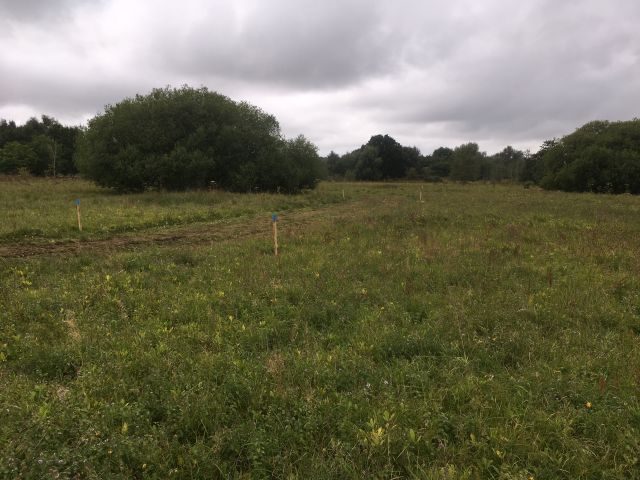
2019 - Marking out the new meandering channel
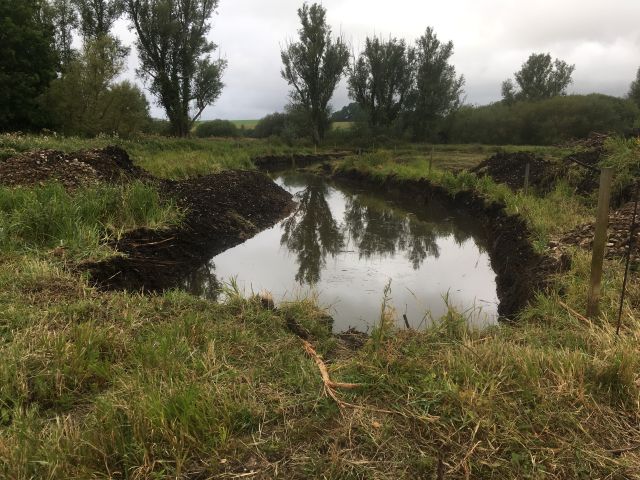
2019 - The new meandering channel under construction
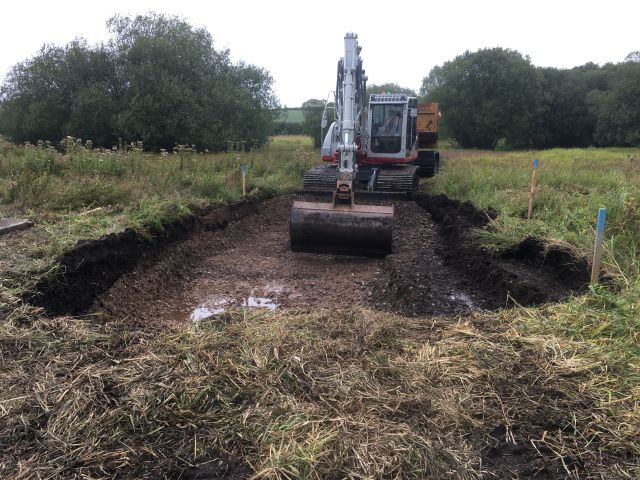
2019 - The new meandering channel under construction
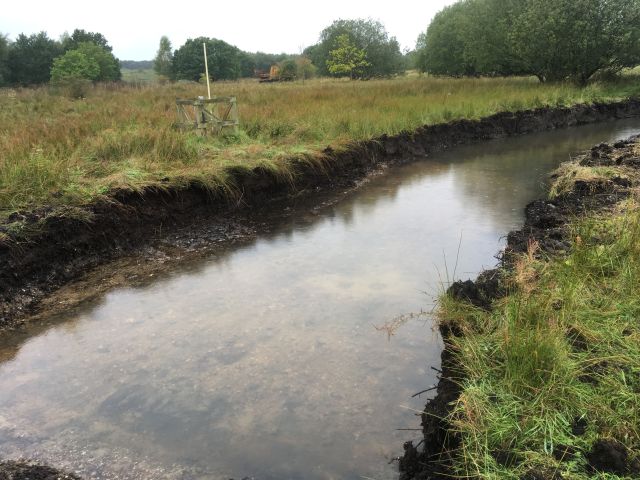
2019 - The newly constructed meandering channel
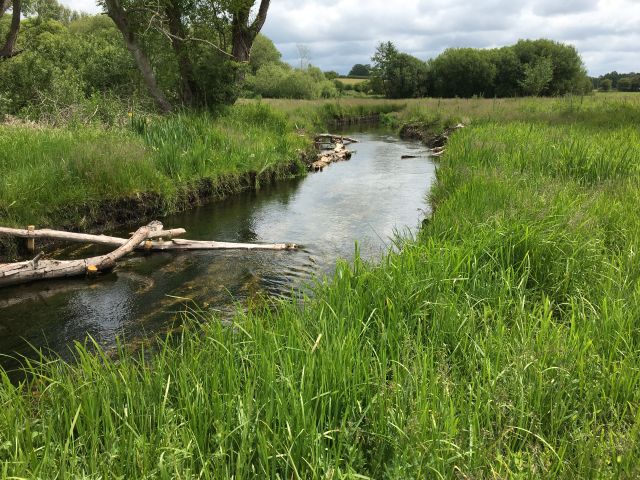
2020 - The new meandering channel is naturalising a year on from construction
2020 - The new meandering channel is naturalising a year on from construction
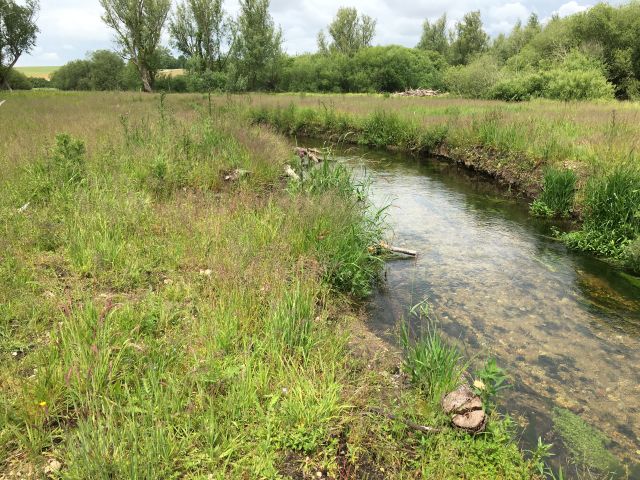
2020 - The new meandering channel is naturalising a year on from construction
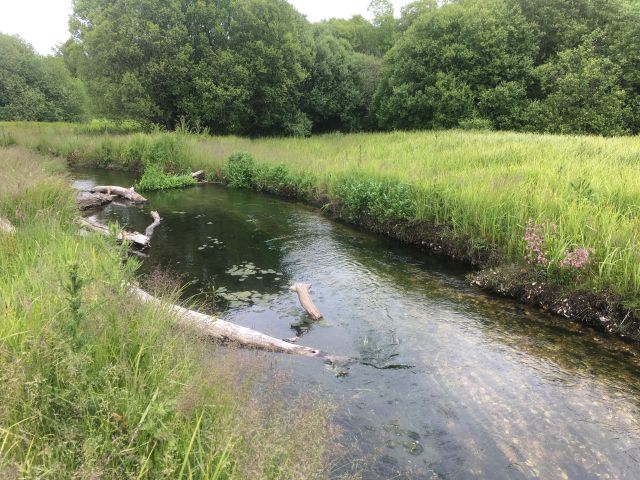
2020 - The new meandering channel is naturalising a year on from construction
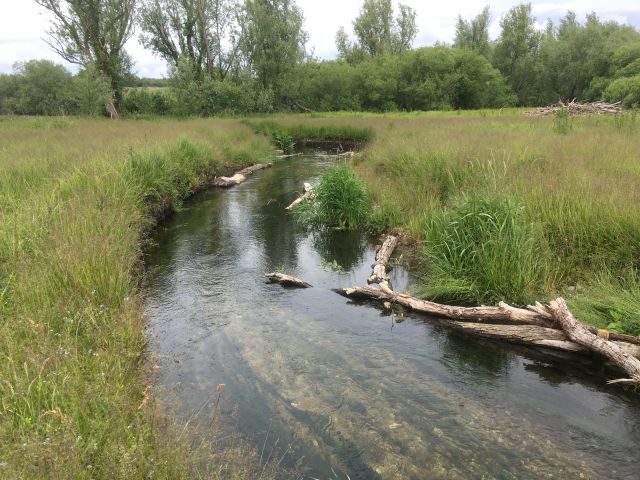
2020 - The new meandering channel is naturalising a year on from construction
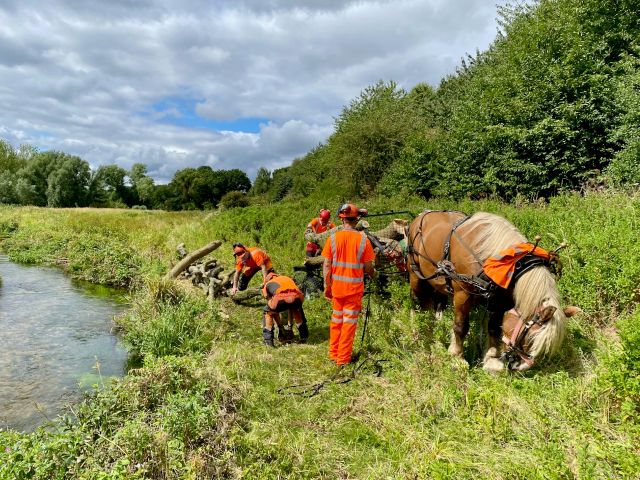
2021 - More woody debris was added to the channel following the construction completion using a heavy horse to reduce damage to the river banks