Need help finding something?
PROJECTS
River Tas Forncett Natural Flood Management (NFM) and River Restoration Project

Services
Natural Flood Management
Partnership Working


Partners
Environment Agency
IDB Storm Recovery & Asset Improvement Scheme

Start & Completion
Autumn 2025
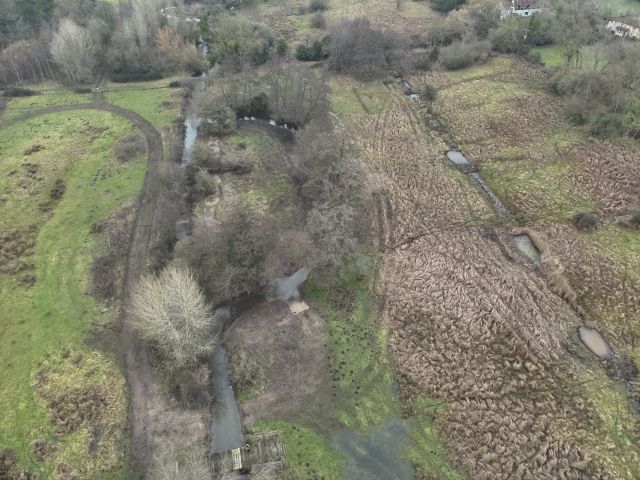
The River Tas Forncett Natural Flood Management (NFM) and River Restoration Project was a partnership project between the Environment Agency and Norfolk Rivers Internal Drainage Board (IDB). The aim was to reduce flood risk while restoring valuable chalk stream and floodplain habitats. Developed as part of wider work across the Tas catchment, the project takes a catchment-based approach that works with natural processes to deliver benefits for people, wildlife and the environment.
Located at Forncett St Peter, the scheme was selected following feasibility and design work undertaken during 2023/24. The project combines natural flood management and river restoration measures to improve the way the river and floodplain function, funded through the IDB Storm Recovery & Asset Improvement Scheme.
Project Overview
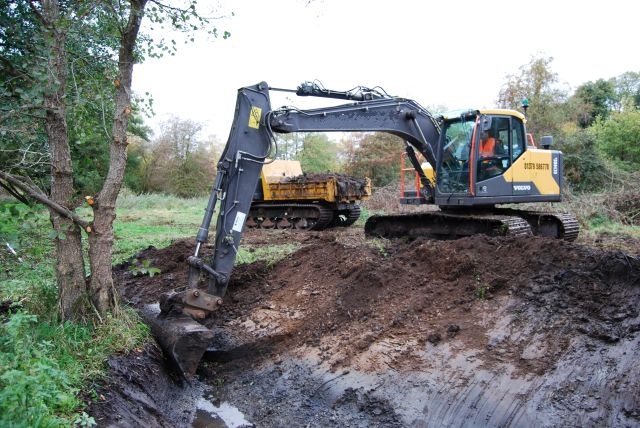
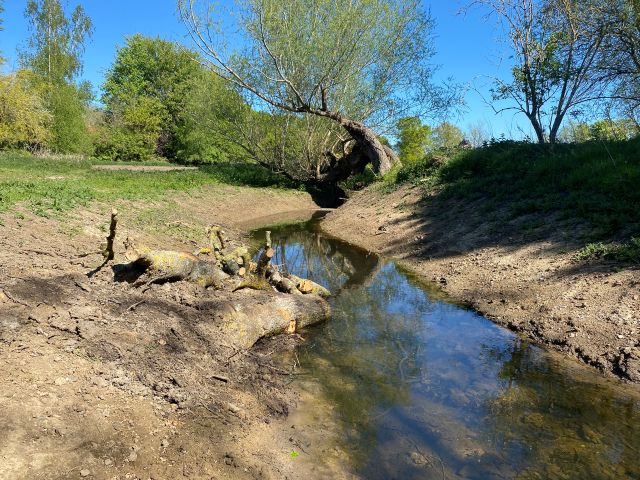
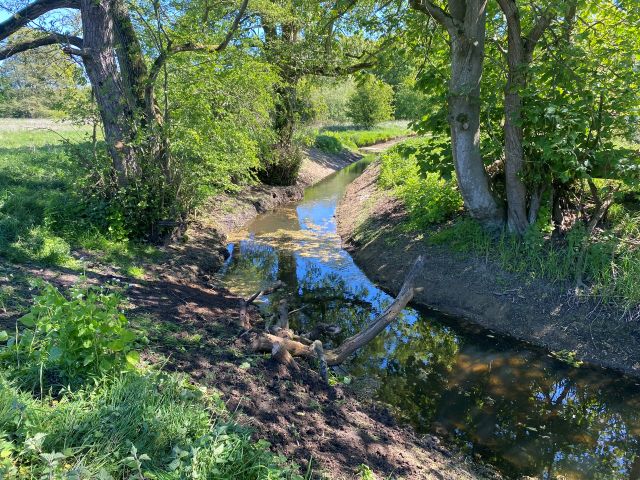
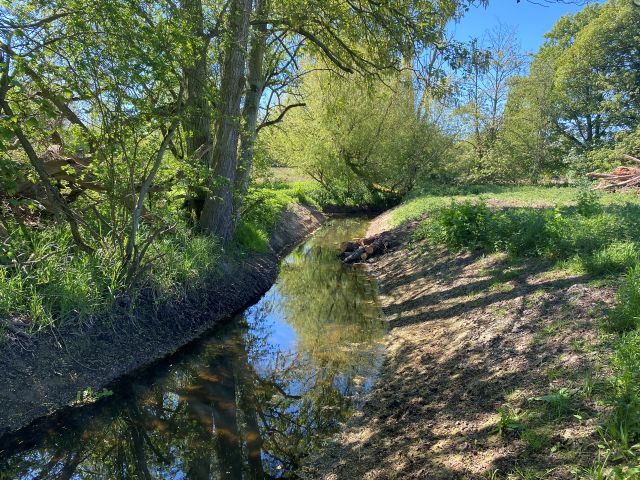
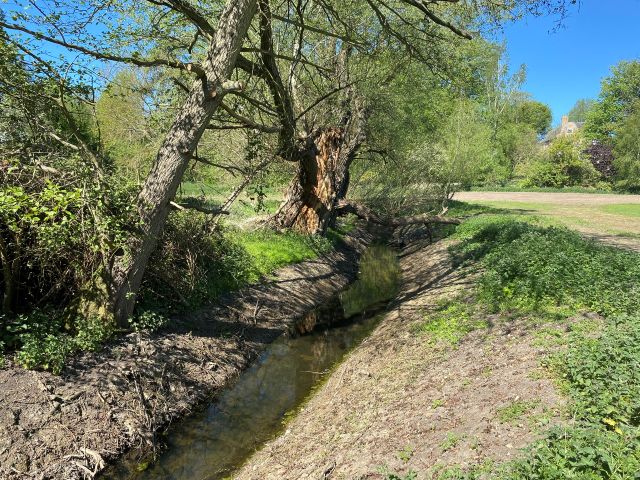
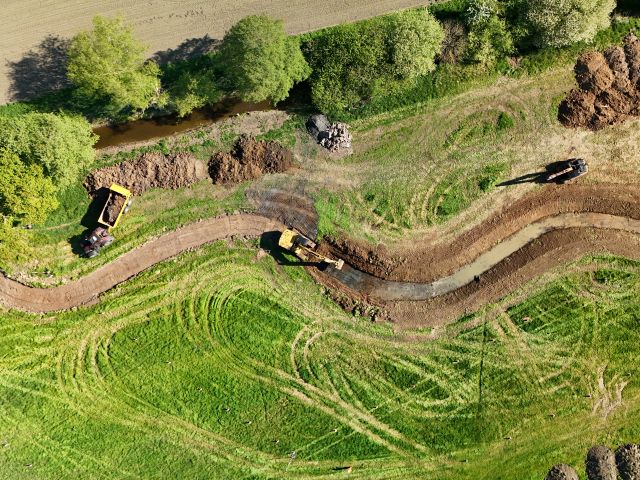
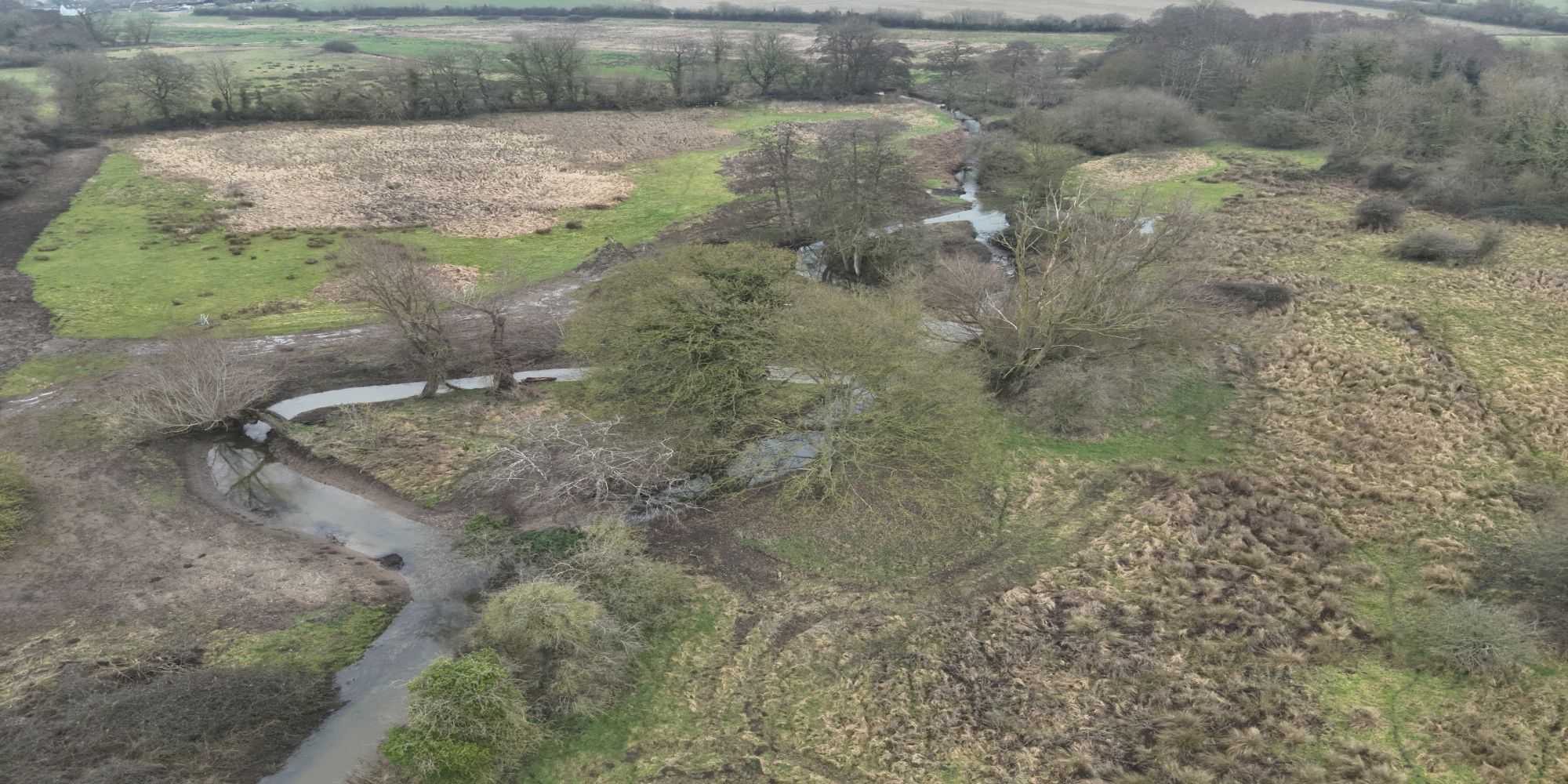
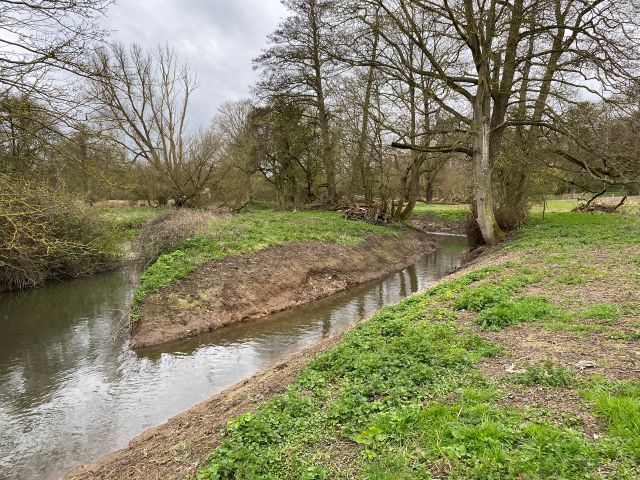
The project focused on restoring natural river and floodplain processes to help reduce flood risk and improve habitats. Historic dredging embankments were removed to reconnect the River Tas with its floodplain, allowing floodwater to spread naturally away from properties during high flows. Three relic meanders were reconnected during the project, uncovering and restoring a total of 237 metres of old channel. The course of the artificially straightened River Tas was transformed into backwater habitat.
A number of turf ponds were created to retain naturally occurring spring water within the SSSI, helping to maintain and enhance wetland habitat and supporting the site’s existing mosaic of wet and dry unimproved grassland. The scheme was delivered through close collaboration between the Environment Agency, Norfolk Rivers IDB, local landowners and the community, ensuring a cost-effective and practical solution that works with natural processes.
Benefits
The project restores more natural river and floodplain processes while reducing flood risk to nearby properties.
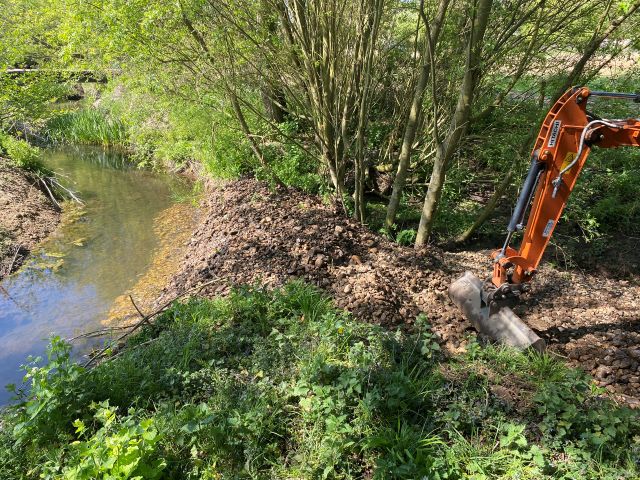
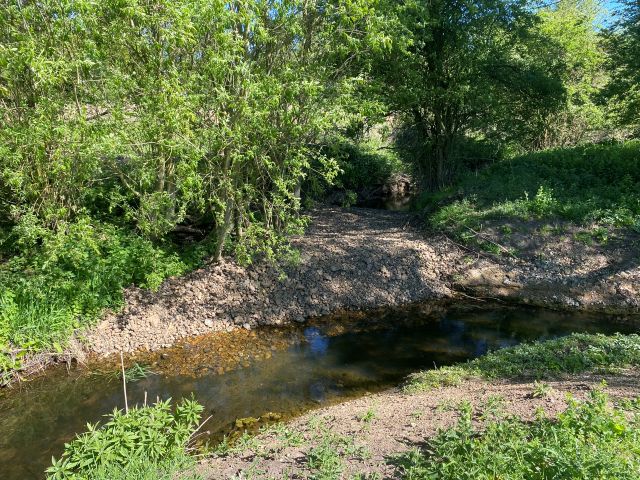
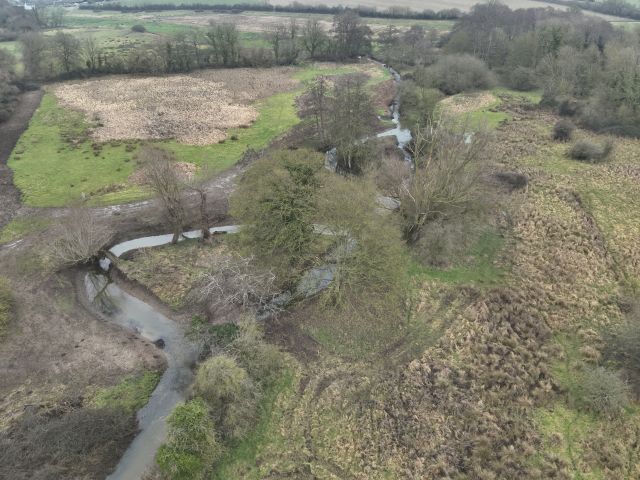
Three historic meanders have been reinstated, reconnecting the river with its floodplain and restoring more natural river dynamics. Three multi-purpose gravel glides redirect water into the restored meanders and provide routes for water to safely move across the floodplain during high flows.
Removing historic spoil banks has also increased floodplain connectivity, helping to reduce flood risk to neighbouring bungalows.
The project has created a greater variety of habitats, including backwaters, clean gravel areas and zones where sediment can naturally accumulate. Improved river morphology creates a wider range of flow conditions, supporting a more diverse river environment and species associated with chalk streams, floodplain grazing marsh and lowland fen.
Project photos