Need help finding something?


Protecting Our Waterways Starts at Home: Raising Awareness of Pet Flea Treatments and Water Quality
The Water Management Alliance (WMA), as a member of the Broads Biodiversity Partnership, is supporting the recent campaign by the Broads Authority to raise awareness of the impact that some pet flea and tick treatments can have on water quality and aquatic wildlife.
The Broads is one of the UK’s most important wetland landscapes, home to internationally significant habitats and species. Protecting these waterways depends on collective action — from land management and flood risk reduction to the everyday choices we all make at home.
Recent research has highlighted growing concerns around common “spot-on” flea treatments used for dogs and cats. Many of these products contain insecticides such as fipronil and imidacloprid, chemicals known to be highly toxic to aquatic insects and other freshwater wildlife. Studies have found these substances in rivers and wetlands across the UK, often at levels capable of harming sensitive aquatic species.
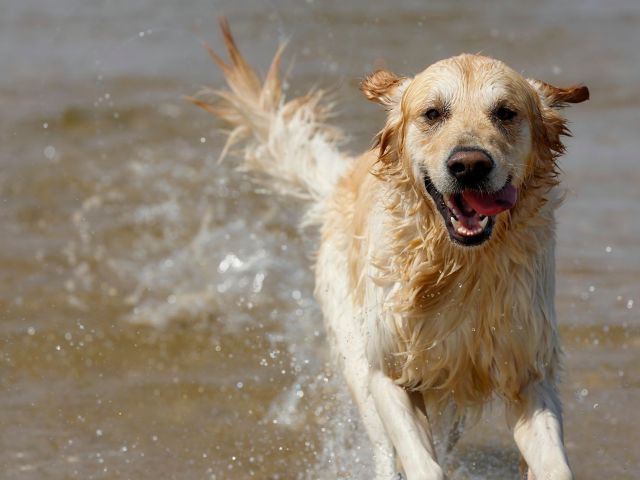
While these treatments are important for animal health when genuinely needed, the issue arises because the chemicals do not remain solely on pets. They can enter rivers, drains and wetlands when treated animals swim, are washed, or even through household wastewater after washing hands, pet bedding or grooming equipment.
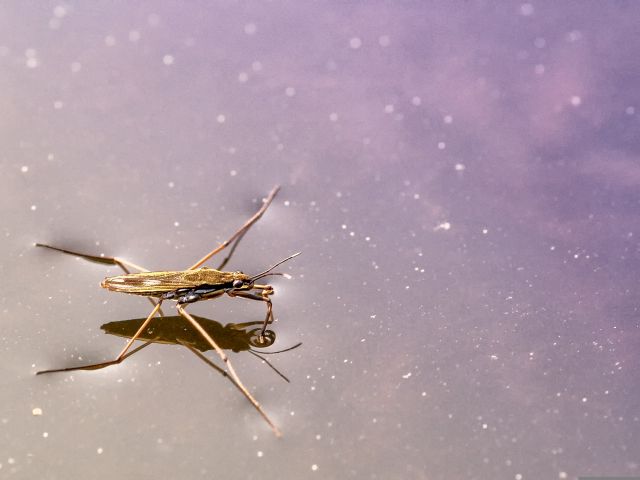
Aquatic insects such as dragonflies, damselflies, mayflies and freshwater beetles are particularly vulnerable. These species play a vital role in healthy wetland ecosystems and form the foundation of the food chain that supports fish, birds and other wildlife. In places such as the Broads, where water quality and biodiversity are closely connected, reducing harmful pollutants is essential.
As organisations working to improve and protect water environments, the WMA, Broads IDB and its partners recognise the importance of increasing public understanding of these hidden pollution pathways. Many pet owners are simply unaware of the wider environmental impacts associated with some treatments.
There are practical steps that can help reduce risks to waterways while continuing to support responsible pet care, including:
- Using flea and tick treatments only when necessary and following veterinary advice.
- Exploring less environmentally harmful alternatives where appropriate.
- Avoiding allowing recently treated dogs to swim in rivers, lakes, ponds or drainage channels.
- Washing hands carefully and disposing of pet waste responsibly after treatment application.
The campaign also reflects wider efforts across the water and environmental sectors to improve water quality and restore freshwater habitats. Protecting wetlands and rivers requires collaboration between organisations, communities and individuals alike.
The WMA welcomes the work being led by the Broads Authority and other environmental partners to improve awareness of this issue and encourage informed choices that help safeguard our waterways for future generations.
Further information about the campaign and guidance for pet owners can be found on the Broads Authority website:
Broads Authority – Flea Treatments and Their Impact on Water Quality

Flea and tick treatment advice from the Broads Authority