
Need help finding something?
Upper Thurne Integrated Drainage Improvement Project
Brograve Pumping Station

Services
Civil Engineering


Partners
Bam Nuttall
Jacobs
Turner & Townsend

Start & Completion
March 2026 – Ongoing
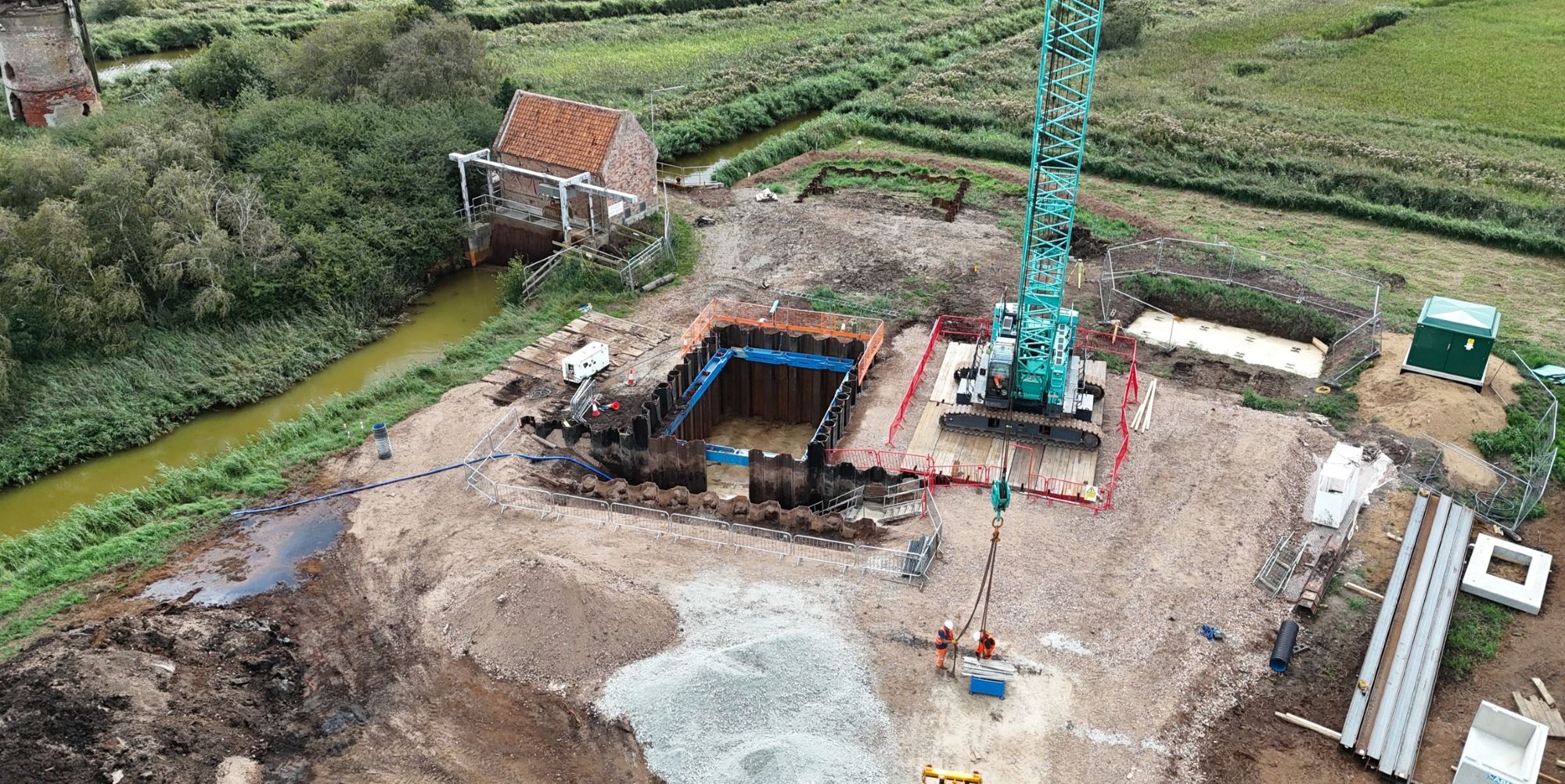
The replacement of Brograve pumping station is being delivered under Package 2 of the wider Upper Thurne Integrated Drainage Improvement Project. The replacement pumping station directly protects the 1950Ha Brograve (reference CMT027P) and adjacent 833Ha Hickling (reference CMT0001P) drainage districts. The pumping station is located around 75m from the historic Grade II listed Brograve Drainage Mill where a drainage pump has existing since 1771.
Construction of the new pumping station commenced Spring 2026 and is planned for completion Autumn 2027.
Construction Plans
The new pumping station utilises three Pentair VDX1-600 suspended bowl mixed flow “less harm” pumps offering significant increases in efficiency over the existing pumps. To deal with climate change and increased severity of rainfall events duty capacity is increased by a minimum 50% with each pump delivering up to 750 litres per second with a combined capacity of 2.25m3/s.
The 4.6m deep pumping station “wet well” (intake) is formed from 12.6m long steel sheet piles driven in to the underlying crag group. The sheet piles form both the temporary cofferdam and permanent wet well. The wet well sump, intake dividing walls and liner are constructed from in-situ cast reinforced concrete.
The pumps are supported on precast concrete pump support slabs which bear on the wet well concrete liner and dividing wall. An overhead gantry automatic weedscreen cleaner and screen protects the intake from course debris.
The black horizontal timber effect GRP kiosk houses Motor Control Centre, power and telemetry systems. The pumps are controlled by Variable Speed Drives allowing them to deliver a broad range of flows in response to catchment conditions. The telemetry system provides improvements in remote monitoring, control and operation of the station.
The pumping station discharges through below ground PE pipework into the River Thurne (Waxham Cut) through precast concrete outfall chambers. The outfall chambers and pipework are designed to reduce discharge velocities, ensuring no detrimental impact on river users.
The system is protected from return flow by lightweight HDPE flap valves at the outfalls and “gate valves” within the wet well.
Both the control building and outfall pre-cast units are founded on steel piles to prevent settlement over the 50 year design life of the pumping station.
The visual impact of the station has been carefully considered given the sensitive nature of the site through the specification of material colours and plant selection whilst balancing the primary function as a pumping station.
Enabling Works and Environmental Considerations
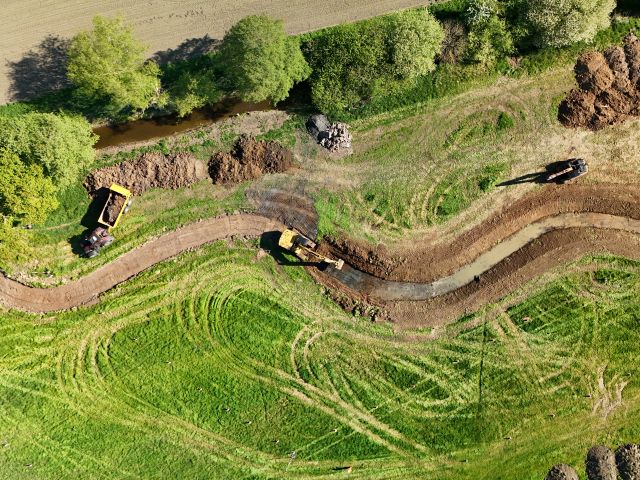
To facilitate the pumping station construction, we undertake enabling works, including ecological mitigation in advance.
- Vegetation clearance and management – removing or trimming plants, trees and vegetation to discourage bird nesting and manage reptile habitat.
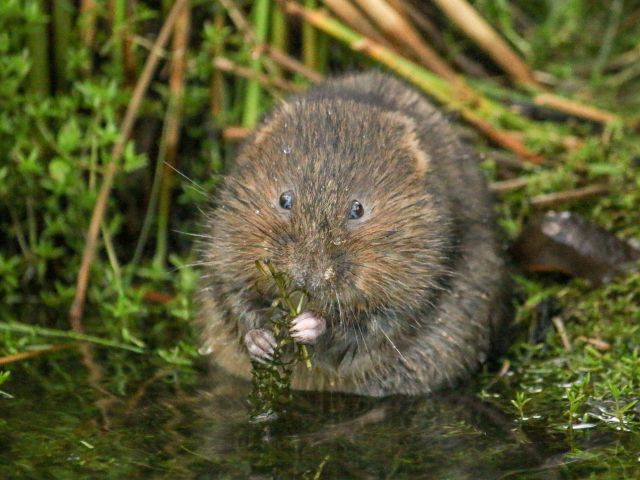
- Water vole mitigation – carrying out surveys, vegetation management and mitigation alongside measures such as habitat enhancement, exclusion zones and careful timing of works to protect this legally protected species.
- Bat surveys – undertake bat roost surveys in the existing buildings and surrounding habitats and plan / programme works ensuring compliance with regulations.
- Access improvements – strengthening, widening, or creating access routes so vehicles, machinery, and personnel can safely reach the site.
- Service and utility diversions – identifying existing underground or overhead utilities and rerouting or safeguarding them to avoid disruption or damage during construction.
Related Project News
Brograve Project Gallery
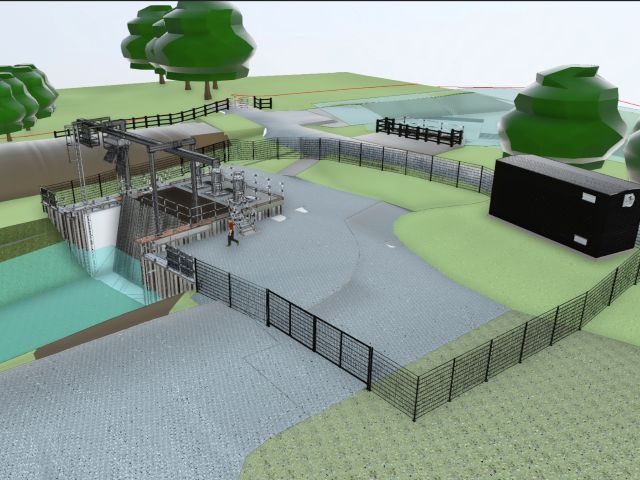
Visualization of completed Brograve Pumping Station
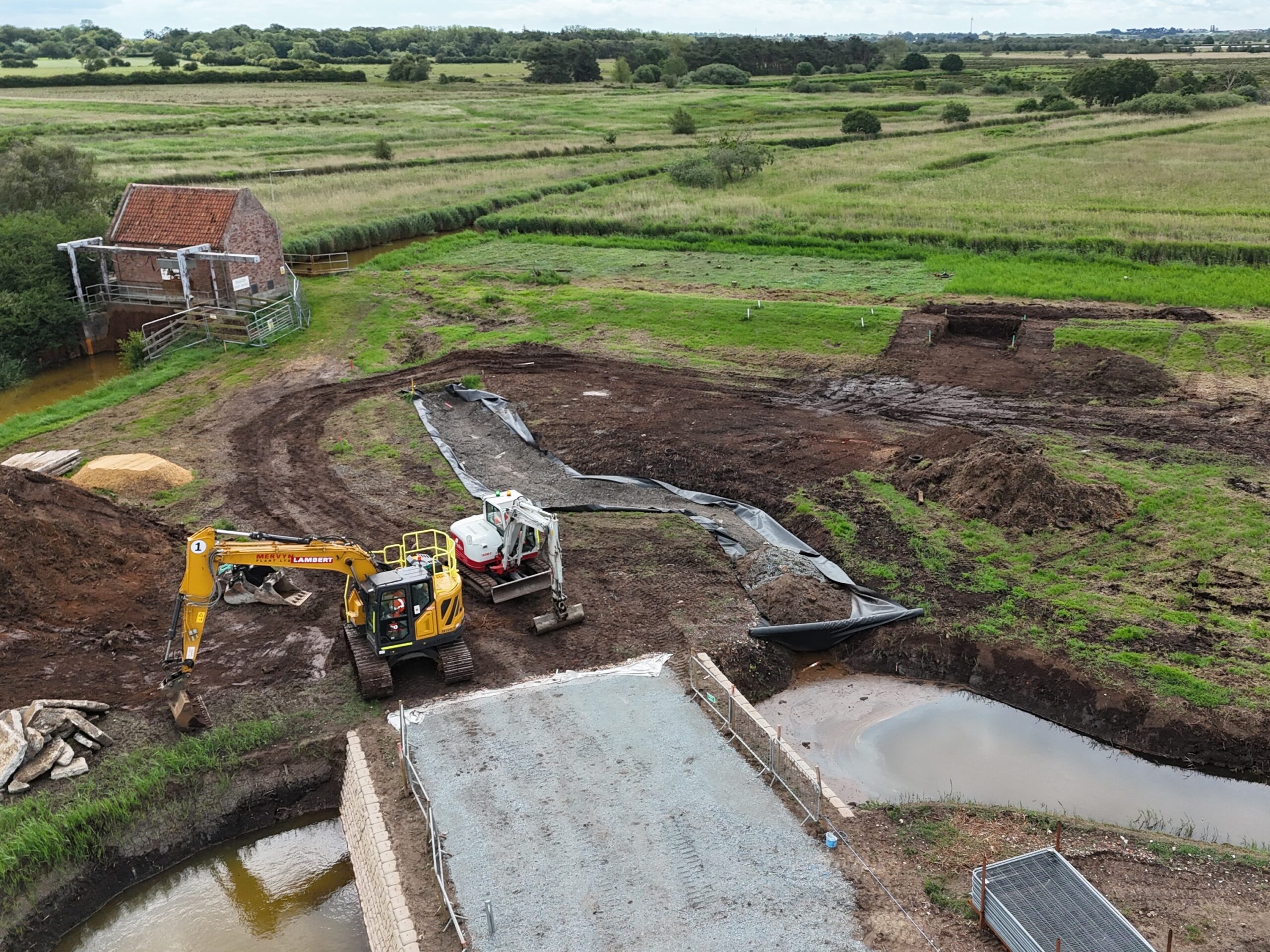
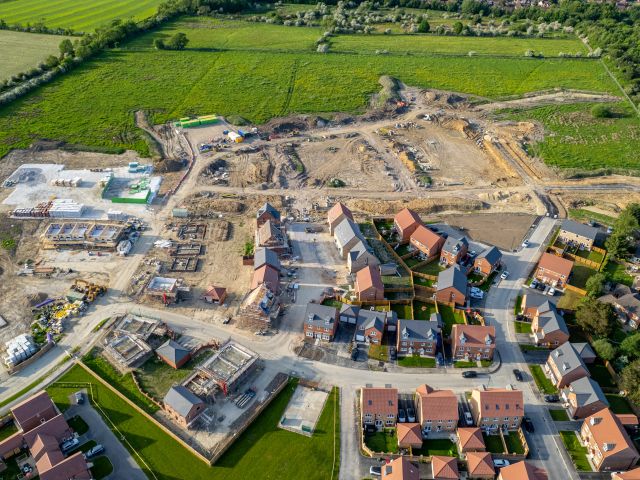
July 2026 - Brograve Aerial View of construction site
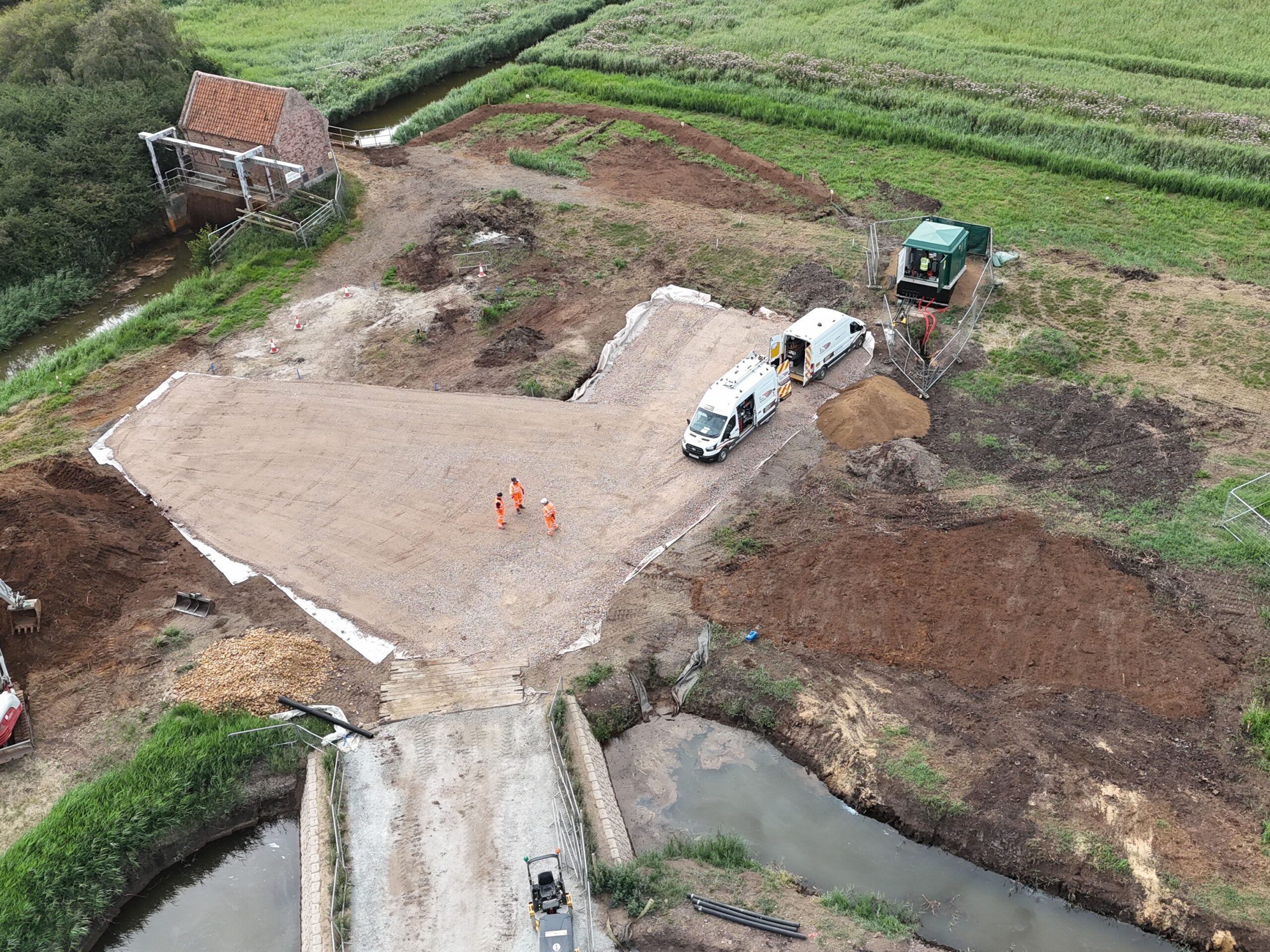
July 2026 - Brograve Aerial View of construction site
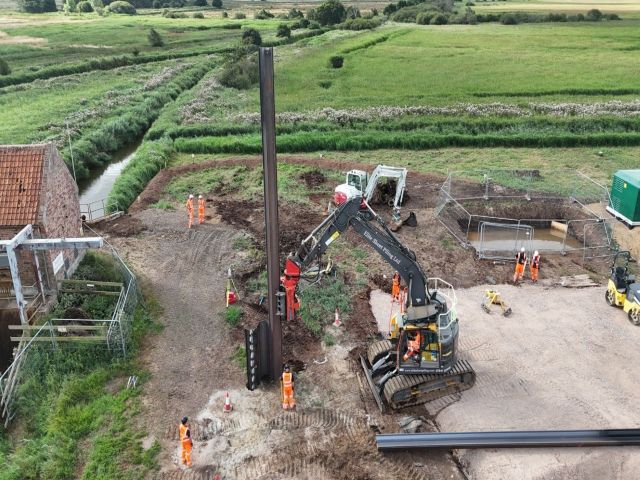
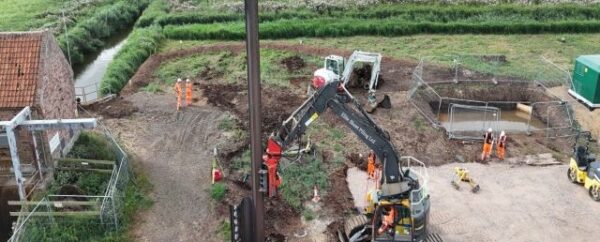
August 2026 - Sheet piling progress at Brograve
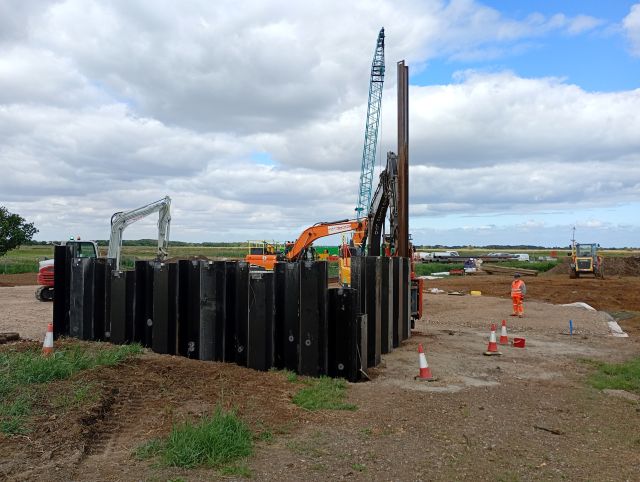
August 2026 - Brograve sheet piling
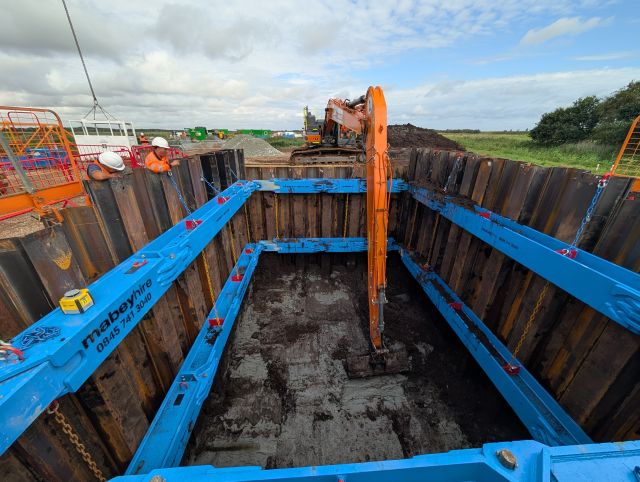
August 2026 - Brograve wet well excavation
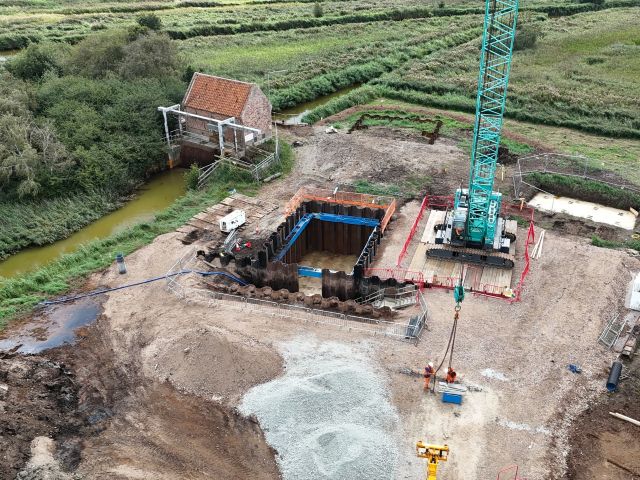
August 2026 - Brograve Aerial View of construction site
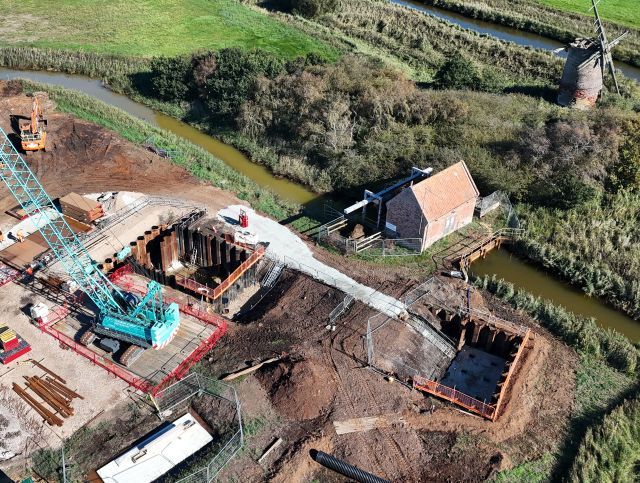
October 2026 - Brograve Aerial View of construction site
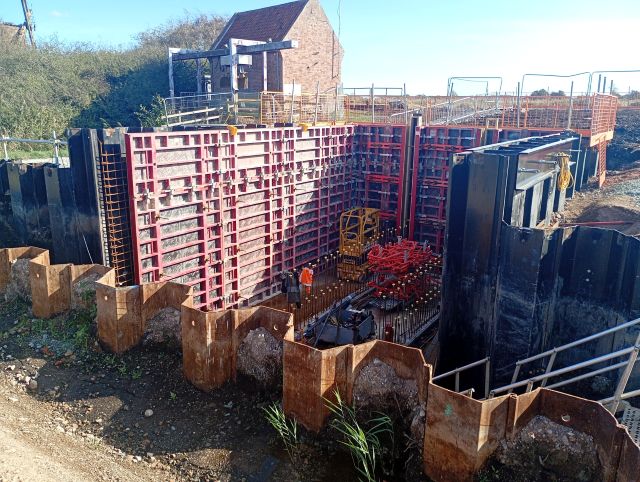
October 2026 - Formwork and shutters, ready for the reinforced concrete pours to create the new wet well
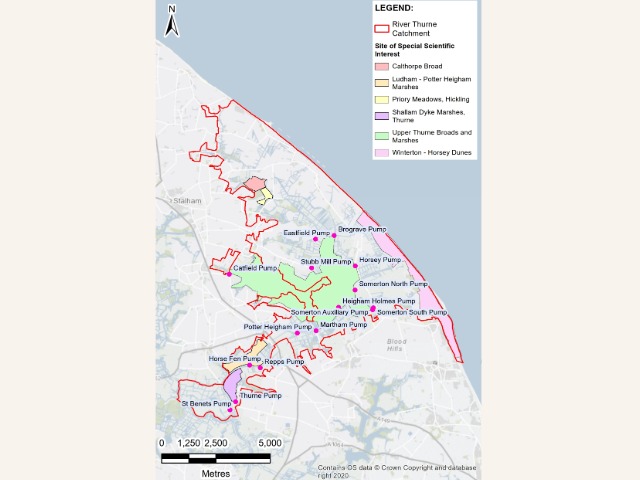
Upper Thurne Overview
The Upper Thurne Integrated Drainage Improvement Project will replace or refurbish 11 of the 14 pumping stations within the River Thurne catchment in the Norfolk Broads at Horsey, St Benets, Martham, Potter Heigham, Brograve, Stubb, Catfield, Horse Fen, Repps Staithe, Somerton South, and Thurne.
The current submersible canister pumping stations were typically built in the 1950’s with some housed within far older foundations dating back to the 19th Century. Despite ongoing maintenance to sustain their operation all have significantly exceeded their design life and are unsuitable for further refurbishment.
Collectively the 14 pumping stations protect over 6300 hectares of Broads Internal Drainage Board districts including nationally and internationally designated habitat, 708 properties, local communities, tourism and infrastructure.
Each site features unique challenges with a mosaic of designated habitats including Sites of Special Scientific Interest (SSSI’s), Special Area of Conservation (SAC’s), Special Protection Area (SPA’s), National Nature Reserve (NNR’s) and Ramsar designations as well as significant variations in ground conditions.
The existing pumping stations are generally built in existing raised flood defences, within or adjacent to historic infrastructure.
The presence of active boat yards, staithes, moorings and other tourism such as the National Trust Horsey Wind Pump present a unique set of challenges to the project.
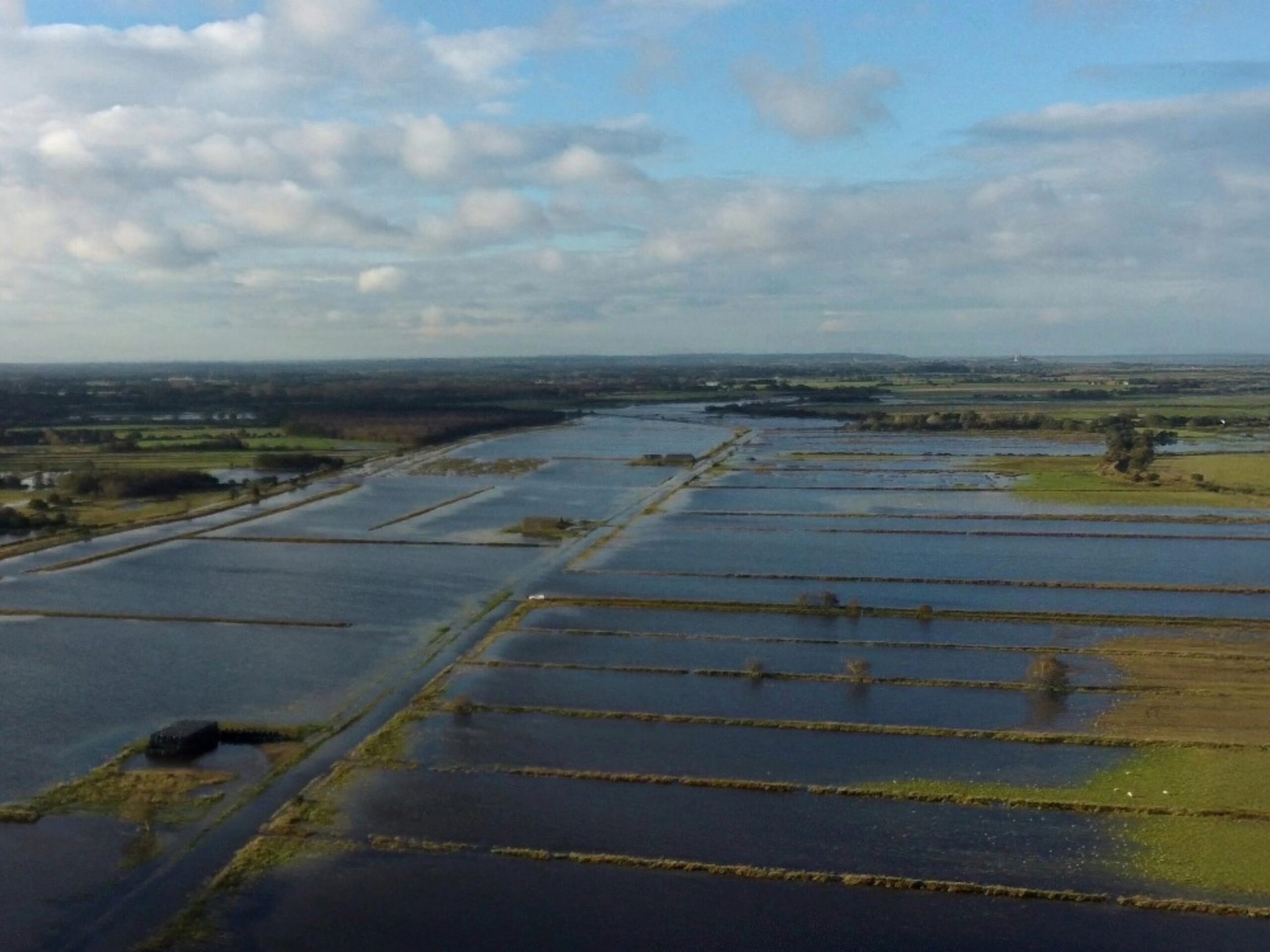
Upper Thurne Benefits
The Upper Thurne Drainage Improvements Project will bring significant benefits to both the environment and local communities:
- Improved flood resilience for over 700 homes, vital tourism assets, and local infrastructure
- Safeguarding nationally important habitats, ensuring long-term protection for wetlands that support rare wildlife and biodiversity
- Sustainable drainage systems that reduce maintenance requirements and extend the working life of critical infrastructure
- Long-term climate resilience, by replacing ageing assets with modern, efficient pumping technology