Need help finding something?

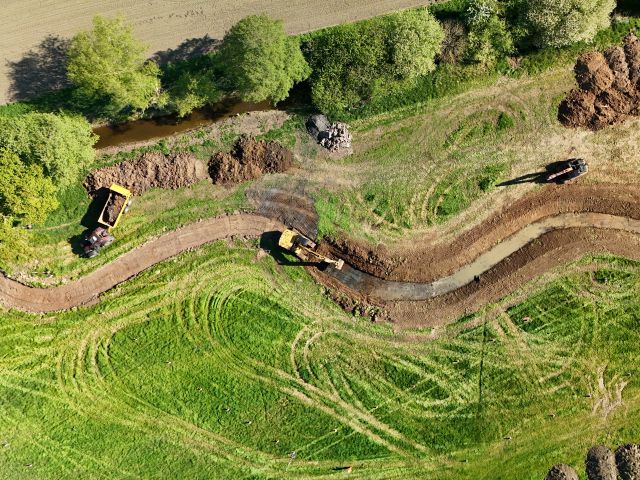

Benacre & Kessingland Flood Management Project
Screw pumps now in production for Benacre & Kessingland Flood Risk Management Project
A key component of the Benacre & Kessingland Flood Management Project is taking shape, with new Archimedes screw pumps now in production.
The pumps will form part of the new pumping stations being delivered by Waveney, Lower Yare and Lothingland Internal Drainage Board (WLYLIDB), to help reduce flood risk to homes, businesses and agricultural land in coastal Suffolk.
The project will use modern Archimedes screw technology to move large volumes of surface water from Kessingland village and the Hundred River in the lowland valley, out to sea, helping manage water levels and protect the surrounding area, including the A12, from flooding.
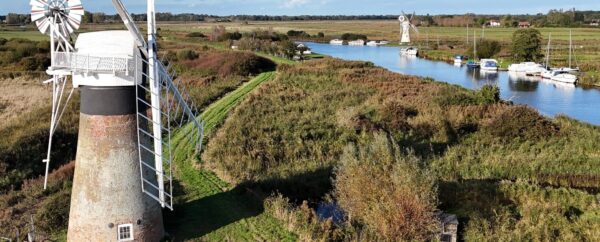
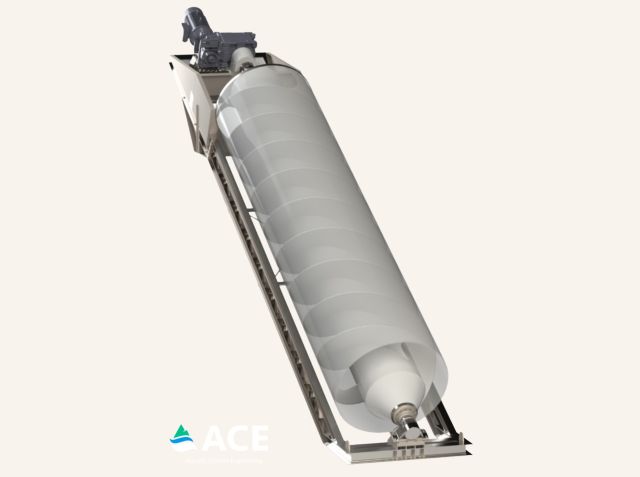
The principle behind the technology is thousands of years old. Archimedes screws traditionally use a rotating helical blade within a cylinder or trough to lift water from a lower to a higher level. Today, the same basic principle can be adapted to move water efficiently, making it well suited to pumping stations managing large volumes of water.
Image credit: ACE – Illustration of Screw and it’s inner design
These new pumps incorporate modern engineering designed to support the environment as well as flood protection. Supplied through Aquatic Control Engineering, the pumps are developed by Dutch specialists FishFlow Innovations, whose technology is designed to allow fish and eels to pass through pumping infrastructure more safely.
Their enclosed screw design is super efficient, helps minimise turbulence and removes the exposed strike points found in some conventional pump designs. The smooth movement of water through the pump helps reduce the risk of injury to aquatic wildlife, making the technology particularly suited to flood management in environmentally sensitive areas.
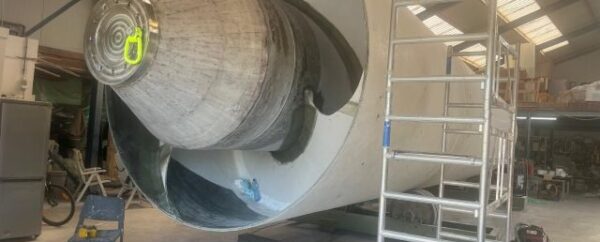
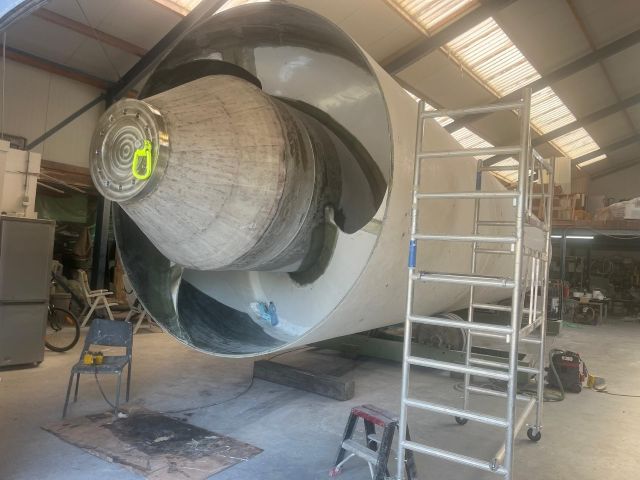
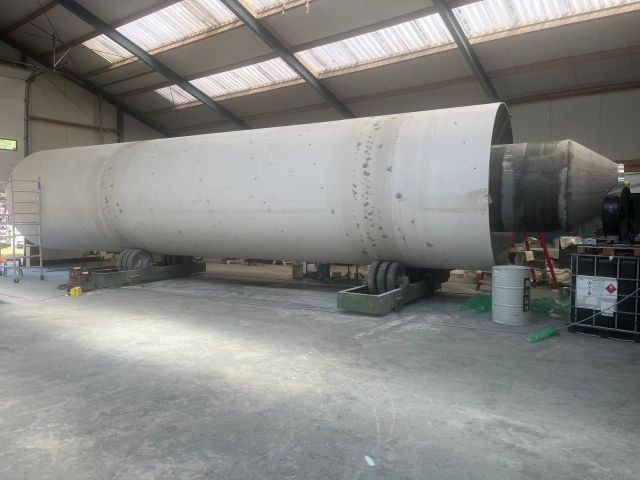
The 4 screws (3 for Lothingland Pumping Staion and 1 for Kessingland Pumping Station) are being manufactured from fibreglass reinforced composite and will be 17m long and 3m in diameter. This lightweight material makes the huge pumps easier to handle during transportation and installation, while its resistance to corrosion makes it well suited to the continuously wet conditions in which the equipment will operate. These properties offer practical advantages for large-scale pumping infrastructure, where durability and long-term reliability are important.
Image credit: ACE – Example of similar size Screw in production
Using these durable, corrosion-resistant materials can also help reduce maintenance requirements over the working life of the equipment, supporting the long-term operation of the pumping stations.
Once installed, the pumps will play an important role in the upgraded infrastructure, combining a long-established engineering principle with modern materials and wildlife-conscious design.
The Benacre & Kessingland Flood Management Project is a major investment in coastal flood resilience, helping protect local communities, businesses and the wider landscape. With production now underway, the new pumps mark another important step towards delivering improved flood protection for the area.
Visit our project page to find out more about the Benacre & Kessingland Flood Management Project
Image credit: ACE – Example of similar size Screw in production