Need help finding something?
Environment - Species & Habitat Management
Protecting Our Chalk Streams
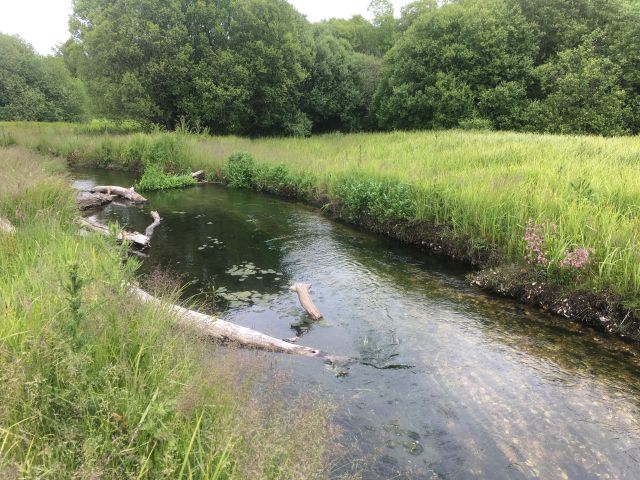
Rare rivers. Remarkable habitats. A responsibility we take seriously.
Chalk streams are among the world’s rarest freshwater habitats, with only around 200 known globally and the vast majority found in England. East Anglia is home to some of these nationally important rivers, several of which flow through areas managed by our Member Boards. We have an important role to play in protecting these exceptional habitats and ensuring they can thrive for generations to come.
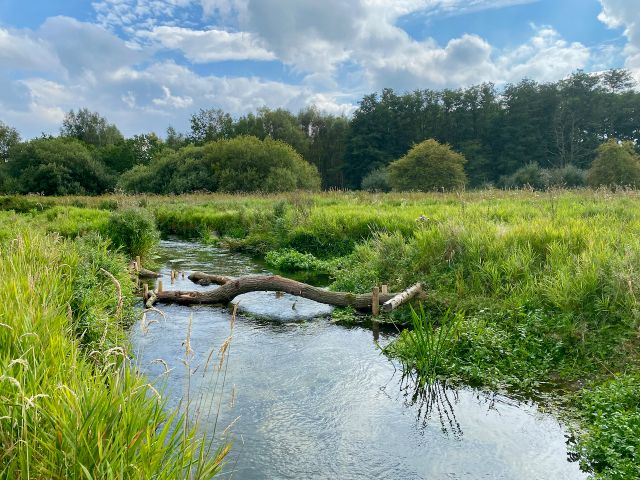
Why Chalk Streams Matter
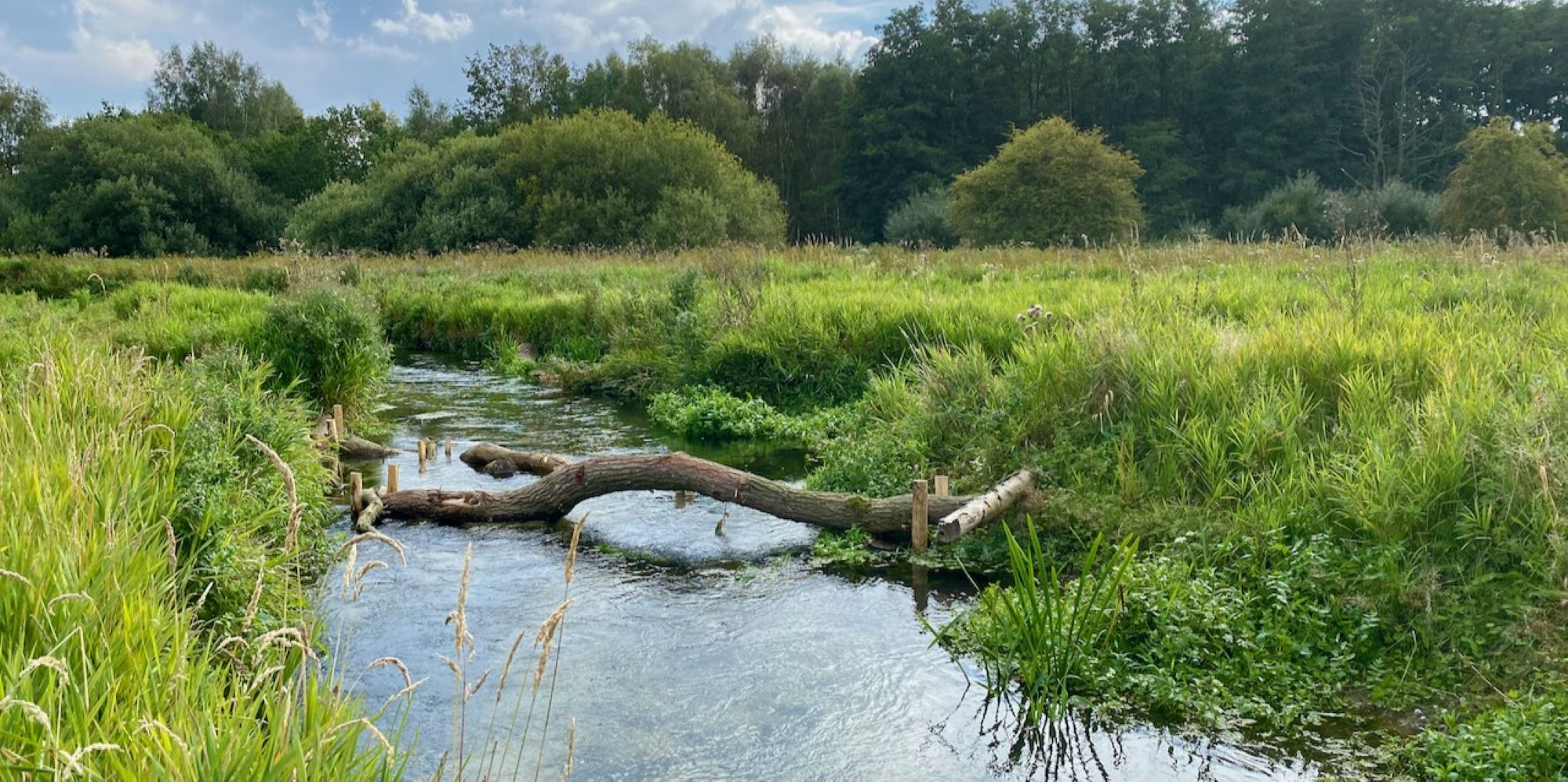
Chalk streams are much more than waterways. Fed by groundwater filtered through chalk aquifers, they have clear, cool and naturally nutrient-rich waters that create exceptional conditions for wildlife. Their clean gravel beds, aquatic plants, riverbanks and connected wetlands provide habitats for a remarkable range of species, including brown trout, brook lamprey, water vole and countless aquatic invertebrates.
Their importance extends beyond the river channel itself. Chalk streams are part of wider landscapes, connecting rivers with wetlands, floodplains and surrounding habitats. Healthy, naturally functioning rivers can help support biodiversity, improve water quality, store water within the landscape and make our catchments more resilient to both flooding and periods of drought.
With chalk streams being globally rare, the rivers flowing through our region are particularly precious. Protecting them means looking after not only the water within the channel, but the wider catchment and the natural processes that allow these special habitats to thrive.
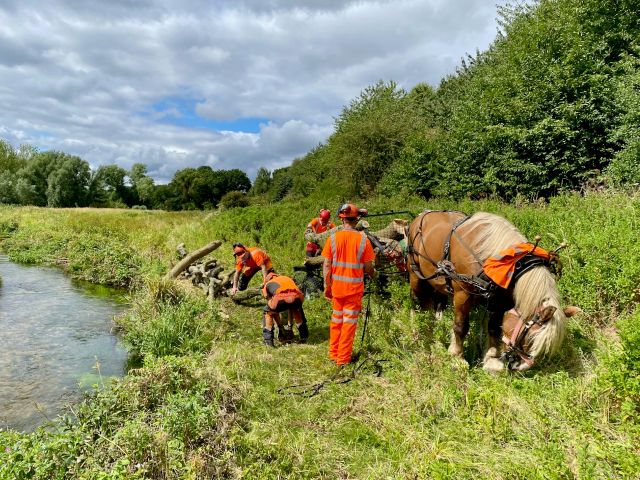
Protecting and Restoring Our Chalk Streams
Our Internal Drainage Boards don’t just manage water to reduce flood risk. We work to create healthier, more resilient rivers and wetlands where people, agriculture and nature can thrive alongside one another.
Protecting chalk streams requires more than maintaining the river itself. It means looking at the whole catchment — how water moves through the landscape, how rivers connect with their floodplains, and how we can use natural processes alongside our engineering expertise.
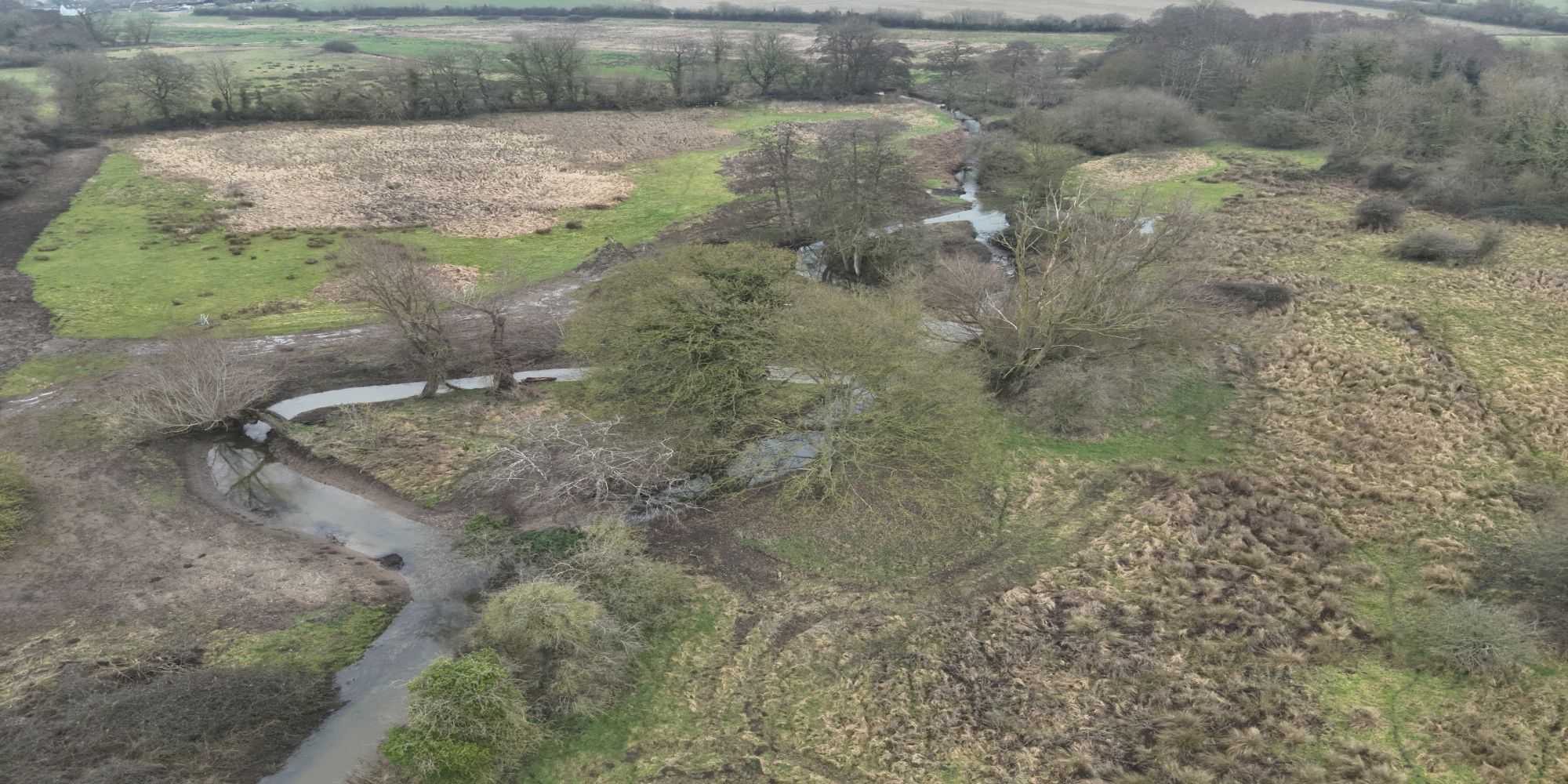
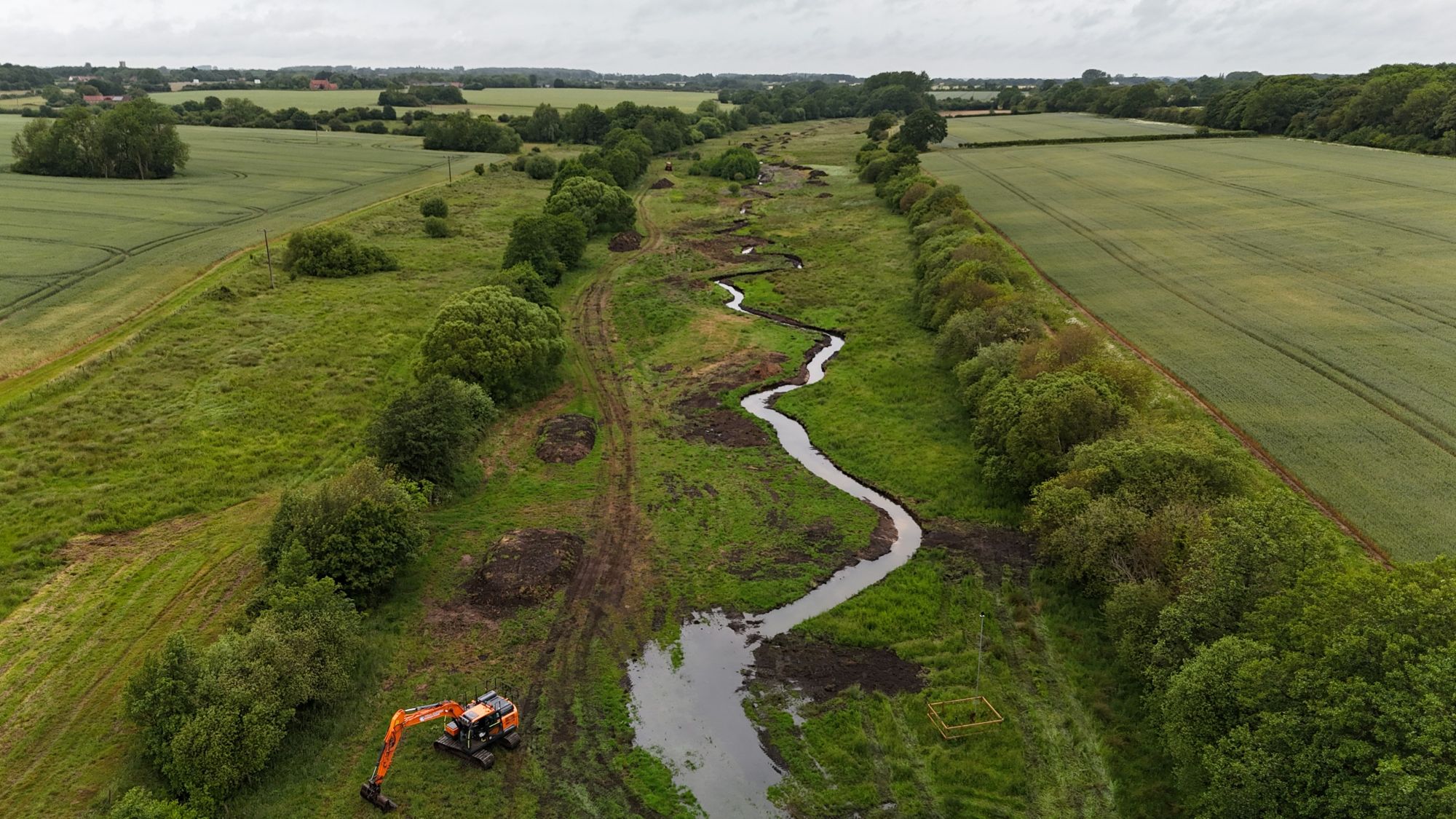
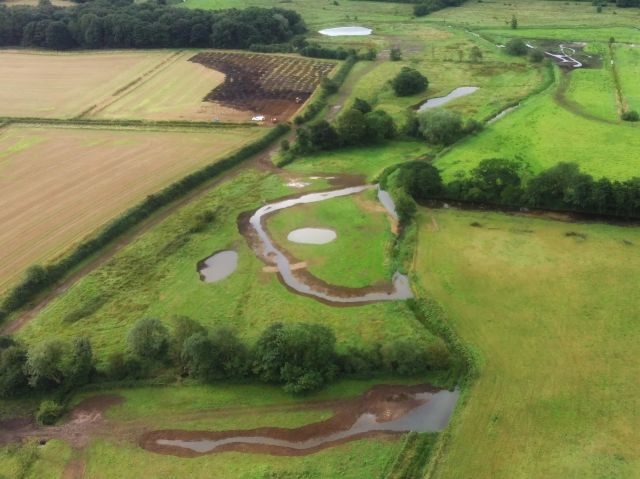
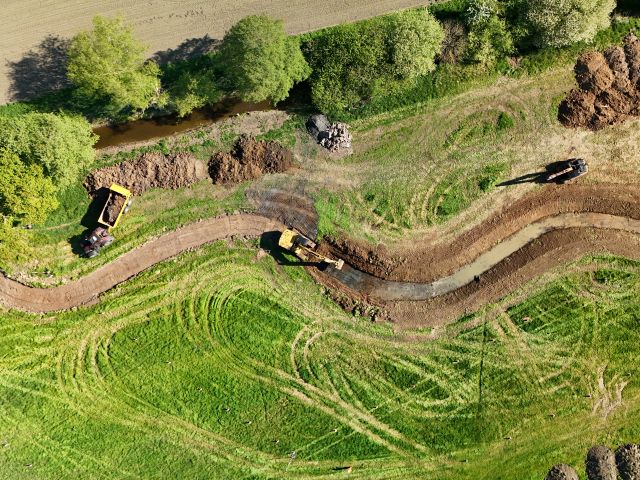
Below are some of the Chalk Stream River Restoration Projects our Member Boards have been instrumental in delivering:
Chalk Streams Within Our Areas
Chalk streams are a particularly important part of the landscapes managed by four of our Member Boards: King’s Lynn IDB, Norfolk Rivers IDB, Pevensey & Cuckmere WLMB and Upper Ouse WMB.
National chalk stream mapping identifies watercourses with either high certainty or low certainty of being chalk streams. High-certainty watercourses are those where mapping evidence strongly supports their classification as chalk streams, whereas low-certainty watercourses are considered likely to be chalk streams but require further verification.
Together, these watercourses form an important part of the wider freshwater network across our Board areas. The table below shows the lengths of high and low-certainty chalk streams identified within each area.
| Member Boards | High Cert (km) | Low Cert (km) | Total Length (km) |
|---|---|---|---|
| King’s Lynn IDB | 14.7 | 6.7 | 21.4 |
| Norfolk River IDB | 309.1 | 336.4 | 645.5 |
| P&C WLMB | 0.0 | 8.6 | 8.6 |
| Upper Ouse WMB | 57.6 | 6.8 | 64.4 |
These figures help show the scale of the chalk-stream resource within our areas — and the role our Member Boards can play in protecting and enhancing these special habitats through everyday water management, habitat work and river restoration.
Explore Natural England’s online map to discover where our region’s chalk streams are located.